

63
On the other hand, the enhanced electricity route (scenario C) assumes that the
disposed bagasse and sugarcane straw are recovered in a gasification unit. Biomass
is firstly dried, conditioned, and then transformed into syngas. Later, syngas generates electricity in a gas turbine combined cycle (GTCC). The thermal and electrical
efficiency of GTCC units is higher than conventional CHP units; thereby electricity
production of enhanced electricity scenario is optimized. This option gives clear
priority to electricity production, whereas enhanced ethanol route gives advantage
to ethanol production.
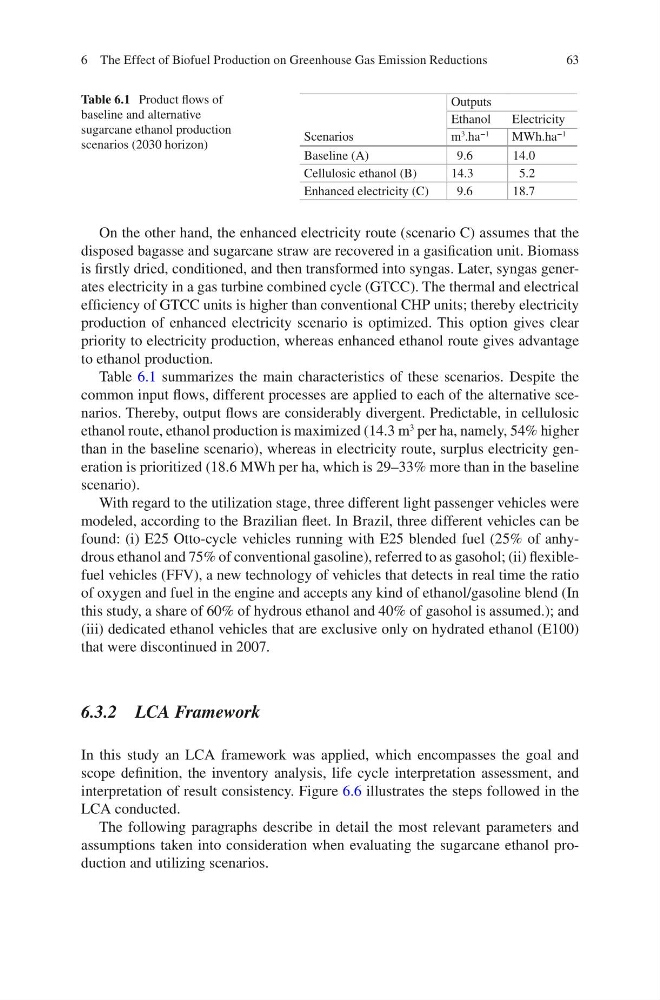
Table 6.1 summarizes the main characteristics of these scenarios. Despite the
common input flows, different processes are applied to each of the alternative scenarios. Thereby, output flows are considerably divergent. Predictable, in cellulosic
ethanol route, ethanol production is maximized (14.3 m
3
per ha, namely, 54% higher
than in the baseline scenario), whereas in electricity route, surplus electricity generation is prioritized (18.6 MWh per ha, which is 29–33% more than in the baseline
scenario).
With regard to the utilization stage, three different light passenger vehicles were
modeled, according to the Brazilian fleet. In Brazil, three different vehicles can be
found: (i) E25 Otto-cycle vehicles running with E25 blended fuel (25% of anhydrous ethanol and 75% of conventional gasoline), referred to as gasohol; (ii) flexiblefuel vehicles (FFV), a new technology of vehicles that detects in real time the ratio
of oxygen and fuel in the engine and accepts any kind of ethanol/gasoline blend (In
this study, a share of 60% of hydrous ethanol and 40% of gasohol is assumed.); and
(iii) dedicated ethanol vehicles that are exclusive only on hydrated ethanol (E100)
that were discontinued in 2007.
6.3.2 LCA Framework
In this study an LCA framework was applied, which encompasses the goal and
scope definition, the inventory analysis, life cycle interpretation assessment, and
interpretation of result consistency. Figure 6.6 illustrates the steps followed in the
LCA conducted.
The following paragraphs describe in detail the most relevant parameters and
assumptions taken into consideration when evaluating the sugarcane ethanol production and utilizing scenarios.
Table 6.1 Product flows of
baseline and alternative
sugarcane ethanol production
scenarios (2030 horizon)
Scenarios
Outputs
Ethanol
Electricity
m
3 .ha
−1
MWh.ha
−1
Baseline (A)
9.6
14.0
Cellulosic ethanol (B)
14.3
5.2
Enhanced electricity (C)
9.6
18.7
6 The Effect of Biofuel Production on Greenhouse Gas Emission Reductions
On the other hand, the enhanced electricity route (scenario C) assumes that the
disposed bagasse and sugarcane straw are recovered in a gasification unit. Biomass
is firstly dried, conditioned, and then transformed into syngas. Later, syngas generates electricity in a gas turbine combined cycle (GTCC). The thermal and electrical
efficiency of GTCC units is higher than conventional CHP units; thereby electricity
production of enhanced electricity scenario is optimized. This option gives clear
priority to electricity production, whereas enhanced ethanol route gives advantage
to ethanol production.
Table 6.1 summarizes the main characteristics of these scenarios. Despite the
common input flows, different processes are applied to each of the alternative scenarios. Thereby, output flows are considerably divergent. Predictable, in cellulosic
ethanol route, ethanol production is maximized (14.3 m
3
per ha, namely, 54% higher
than in the baseline scenario), whereas in electricity route, surplus electricity generation is prioritized (18.6 MWh per ha, which is 29–33% more than in the baseline
scenario).
With regard to the utilization stage, three different light passenger vehicles were
modeled, according to the Brazilian fleet. In Brazil, three different vehicles can be
found: (i) E25 Otto-cycle vehicles running with E25 blended fuel (25% of anhydrous ethanol and 75% of conventional gasoline), referred to as gasohol; (ii) flexiblefuel vehicles (FFV), a new technology of vehicles that detects in real time the ratio
of oxygen and fuel in the engine and accepts any kind of ethanol/gasoline blend (In
this study, a share of 60% of hydrous ethanol and 40% of gasohol is assumed.); and
(iii) dedicated ethanol vehicles that are exclusive only on hydrated ethanol (E100)
that were discontinued in 2007.
6.3.2 LCA Framework
In this study an LCA framework was applied, which encompasses the goal and
scope definition, the inventory analysis, life cycle interpretation assessment, and
interpretation of result consistency. Figure 6.6 illustrates the steps followed in the
LCA conducted.
The following paragraphs describe in detail the most relevant parameters and
assumptions taken into consideration when evaluating the sugarcane ethanol production and utilizing scenarios.
Table 6.1 Product flows of
baseline and alternative
sugarcane ethanol production
scenarios (2030 horizon)
Scenarios
Outputs
Ethanol
Electricity
m
3 .ha
−1
MWh.ha
−1
Baseline (A)
9.6
14.0
Cellulosic ethanol (B)
14.3
5.2
Enhanced electricity (C)
9.6
18.7
6 The Effect of Biofuel Production on Greenhouse Gas Emission Reductions