

144 5 SDN and NFV in 5G
5.4.2 Design
In the vCPE architecture, an SME is connected to the Internet
via a lightweight CPE also called SDN-based CPE. Most features
typically found on a CPE, such as NAT, DHCP, and a firewall/security
gateway, are moved to VMs in the operator’s cloud. The lightweight
SDN-based CPE only retains the basic connectivity service, while
being programmable via SDN.
In the operator’s cloud, VMs and physical resources (storage,
compute) are configured via a cloud controller (CC), while network
configuration is managed by an SDN controller. Finally, a moderator
node/application provides a higher level of abstraction over the
cloud and network controllers. Through the moderator, enterprises
can select their desired services and configure service chaining
policies. The enterprise’s IT personnel can access the moderator
through a secured dashboard with a user-friendly graphical interface.
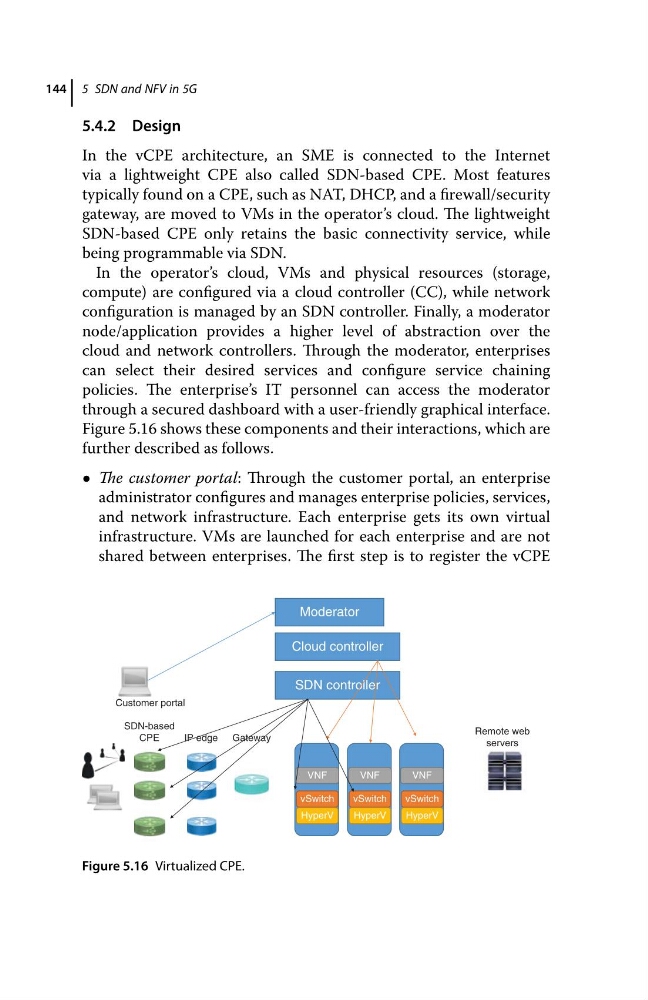
Figure 5.16 shows these components and their interactions, which are
further described as follows.
• The customer portal: Through the customer portal, an enterprise
administrator configures and manages enterprise policies, services,
and network infrastructure. Each enterprise gets its own virtual
infrastructure. VMs are launched for each enterprise and are not
shared between enterprises. The first step is to register the vCPE
Moderator
Cloud controller
SDN controller
SDN-based
CPE
IP edge Gateway
Customer portal
Remote web
servers
VNF
vSwitch
HyperV
VNF
vSwitch
HyperV
VNF
vSwitch
HyperV
Figure 5.16 Virtualized CPE.
5.4.2 Design
In the vCPE architecture, an SME is connected to the Internet
via a lightweight CPE also called SDN-based CPE. Most features
typically found on a CPE, such as NAT, DHCP, and a firewall/security
gateway, are moved to VMs in the operator’s cloud. The lightweight
SDN-based CPE only retains the basic connectivity service, while
being programmable via SDN.
In the operator’s cloud, VMs and physical resources (storage,
compute) are configured via a cloud controller (CC), while network
configuration is managed by an SDN controller. Finally, a moderator
node/application provides a higher level of abstraction over the
cloud and network controllers. Through the moderator, enterprises
can select their desired services and configure service chaining
policies. The enterprise’s IT personnel can access the moderator
through a secured dashboard with a user-friendly graphical interface.
Figure 5.16 shows these components and their interactions, which are
further described as follows.
• The customer portal: Through the customer portal, an enterprise
administrator configures and manages enterprise policies, services,
and network infrastructure. Each enterprise gets its own virtual
infrastructure. VMs are launched for each enterprise and are not
shared between enterprises. The first step is to register the vCPE
Moderator
Cloud controller
SDN controller
SDN-based
CPE
IP edge Gateway
Customer portal
Remote web
servers
VNF
vSwitch
HyperV
VNF
vSwitch
HyperV
VNF
vSwitch
HyperV
Figure 5.16 Virtualized CPE.