

94
M. N. Abubacker and M. Prince
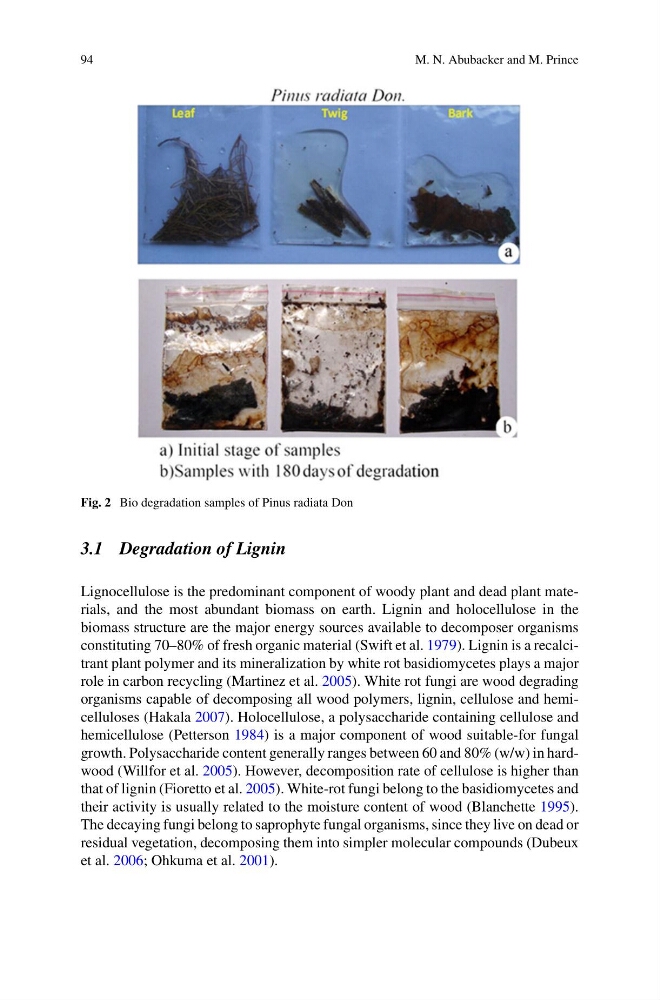
Fig. 2 Bio degradation samples of Pinus radiata Don
3.1 Degradation of Lignin
Lignocellulose is the predominant component of woody plant and dead plant materials, and the most abundant biomass on earth. Lignin and holocellulose in the
biomass structure are the major energy sources available to decomposer organisms
constituting 70–80% of fresh organic material (Swift et al. 1979). Lignin is a recalcitrant plant polymer and its mineralization by white rot basidiomycetes plays a major
role in carbon recycling (Martinez et al. 2005). White rot fungi are wood degrading
organisms capable of decomposing all wood polymers, lignin, cellulose and hemicelluloses (Hakala 2007). Holocellulose, a polysaccharide containing cellulose and
hemicellulose (Petterson 1984) is a major component of wood suitable-for fungal
growth. Polysaccharide content generally ranges between 60 and 80% (w/w) in hardwood (Willfor et al. 2005). However, decomposition rate of cellulose is higher than
that of lignin (Fioretto et al. 2005). White-rot fungi belong to the basidiomycetes and
their activity is usually related to the moisture content of wood (Blanchette 1995).
The decaying fungi belong to saprophyte fungal organisms, since they live on dead or
residual vegetation, decomposing them into simpler molecular compounds (Dubeux
et al. 2006; Ohkuma et al. 2001).
M. N. Abubacker and M. Prince
Fig. 2 Bio degradation samples of Pinus radiata Don
3.1 Degradation of Lignin
Lignocellulose is the predominant component of woody plant and dead plant materials, and the most abundant biomass on earth. Lignin and holocellulose in the
biomass structure are the major energy sources available to decomposer organisms
constituting 70–80% of fresh organic material (Swift et al. 1979). Lignin is a recalcitrant plant polymer and its mineralization by white rot basidiomycetes plays a major
role in carbon recycling (Martinez et al. 2005). White rot fungi are wood degrading
organisms capable of decomposing all wood polymers, lignin, cellulose and hemicelluloses (Hakala 2007). Holocellulose, a polysaccharide containing cellulose and
hemicellulose (Petterson 1984) is a major component of wood suitable-for fungal
growth. Polysaccharide content generally ranges between 60 and 80% (w/w) in hardwood (Willfor et al. 2005). However, decomposition rate of cellulose is higher than
that of lignin (Fioretto et al. 2005). White-rot fungi belong to the basidiomycetes and
their activity is usually related to the moisture content of wood (Blanchette 1995).
The decaying fungi belong to saprophyte fungal organisms, since they live on dead or
residual vegetation, decomposing them into simpler molecular compounds (Dubeux
et al. 2006; Ohkuma et al. 2001).