

44
D. A. Gatt and M. C. Mifsud
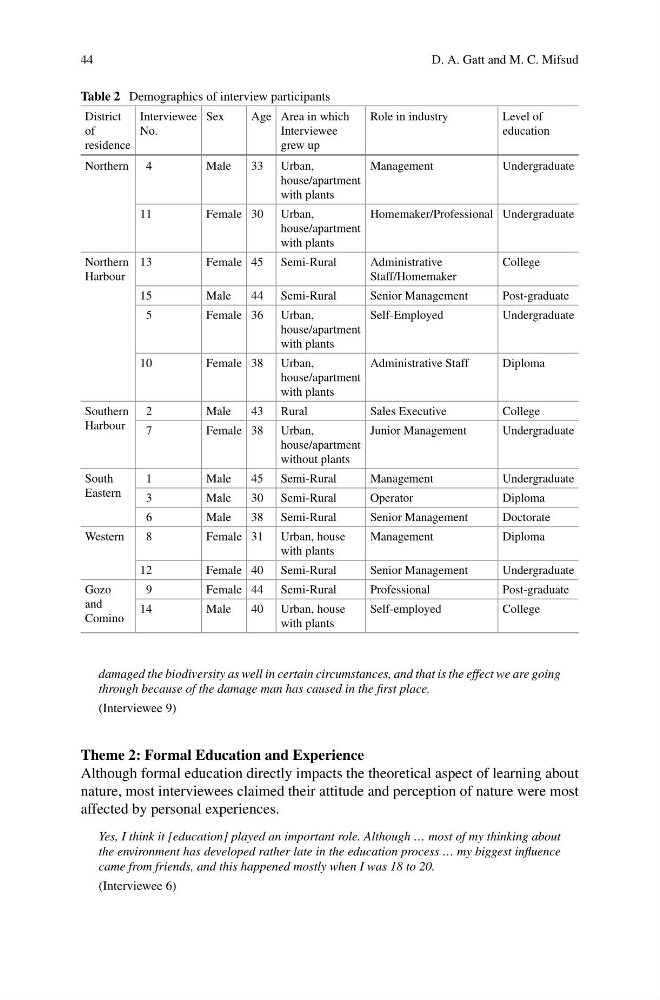
Table 2 Demographics of interview participants
District
of
residence
Interviewee
No.
Sex
Age Area in which
Interviewee
grew up
Role in industry
Level of
education
Northern 4
Male
33 Urban,
house/apartment
with plants
Management
Undergraduate
11
Female 30 Urban,
house/apartment
with plants
Homemaker/Professional Undergraduate
Northern
Harbour
13
Female 45 Semi-Rural
Administrative
Staff/Homemaker
College
15
Male
44 Semi-Rural
Senior Management
Post-graduate
5
Female 36 Urban,
house/apartment
with plants
Self-Employed
Undergraduate
10
Female 38 Urban,
house/apartment
with plants
Administrative Staff
Diploma
Southern
Harbour
2
Male
43 Rural
Sales Executive
College
7
Female 38 Urban,
house/apartment
without plants
Junior Management
Undergraduate
South
Eastern
1
Male
45 Semi-Rural
Management
Undergraduate
3
Male
30 Semi-Rural
Operator
Diploma
6
Male
38 Semi-Rural
Senior Management
Doctorate
Western
8
Female 31 Urban, house
with plants
Management
Diploma
12
Female 40 Semi-Rural
Senior Management
Undergraduate
Gozo
and
Comino
9
Female 44 Semi-Rural
Professional
Post-graduate
14
Male
40 Urban, house
with plants
Self-employed
College
damaged the biodiversity as well in certain circumstances, and that is the effect we are going
through because of the damage man has caused in the first place.
(Interviewee 9)
Theme 2: Formal Education and Experience
Although formal education directly impacts the theoretical aspect of learning about
nature, most interviewees claimed their attitude and perception of nature were most
affected by personal experiences.
Yes, I think it [education] played an important role. Although … most of my thinking about
the environment has developed rather late in the education process … my biggest influence
came from friends, and this happened mostly when I was 18 to 20.
(Interviewee 6)
D. A. Gatt and M. C. Mifsud
Table 2 Demographics of interview participants
District
of
residence
Interviewee
No.
Sex
Age Area in which
Interviewee
grew up
Role in industry
Level of
education
Northern 4
Male
33 Urban,
house/apartment
with plants
Management
Undergraduate
11
Female 30 Urban,
house/apartment
with plants
Homemaker/Professional Undergraduate
Northern
Harbour
13
Female 45 Semi-Rural
Administrative
Staff/Homemaker
College
15
Male
44 Semi-Rural
Senior Management
Post-graduate
5
Female 36 Urban,
house/apartment
with plants
Self-Employed
Undergraduate
10
Female 38 Urban,
house/apartment
with plants
Administrative Staff
Diploma
Southern
Harbour
2
Male
43 Rural
Sales Executive
College
7
Female 38 Urban,
house/apartment
without plants
Junior Management
Undergraduate
South
Eastern
1
Male
45 Semi-Rural
Management
Undergraduate
3
Male
30 Semi-Rural
Operator
Diploma
6
Male
38 Semi-Rural
Senior Management
Doctorate
Western
8
Female 31 Urban, house
with plants
Management
Diploma
12
Female 40 Semi-Rural
Senior Management
Undergraduate
Gozo
and
Comino
9
Female 44 Semi-Rural
Professional
Post-graduate
14
Male
40 Urban, house
with plants
Self-employed
College
damaged the biodiversity as well in certain circumstances, and that is the effect we are going
through because of the damage man has caused in the first place.
(Interviewee 9)
Theme 2: Formal Education and Experience
Although formal education directly impacts the theoretical aspect of learning about
nature, most interviewees claimed their attitude and perception of nature were most
affected by personal experiences.
Yes, I think it [education] played an important role. Although … most of my thinking about
the environment has developed rather late in the education process … my biggest influence
came from friends, and this happened mostly when I was 18 to 20.
(Interviewee 6)