

376
J. Joachims and K. Lingenau
The first approach to testing relevant features in order to gain insights with respect
to the overall research interests of the project at the University of Bremen focused on
a didactical design that incorporated as many of the online-based working features
of the already existing learning platform as possible, which also is been used by
the VAS. The aim was to change the mode of learning in direction of a researchminded attitude of students, challenging them to pose questions, answering these
in a structured process, giving and incorporating feedback and communicating the
results to the public (in this case the entirety of the course).
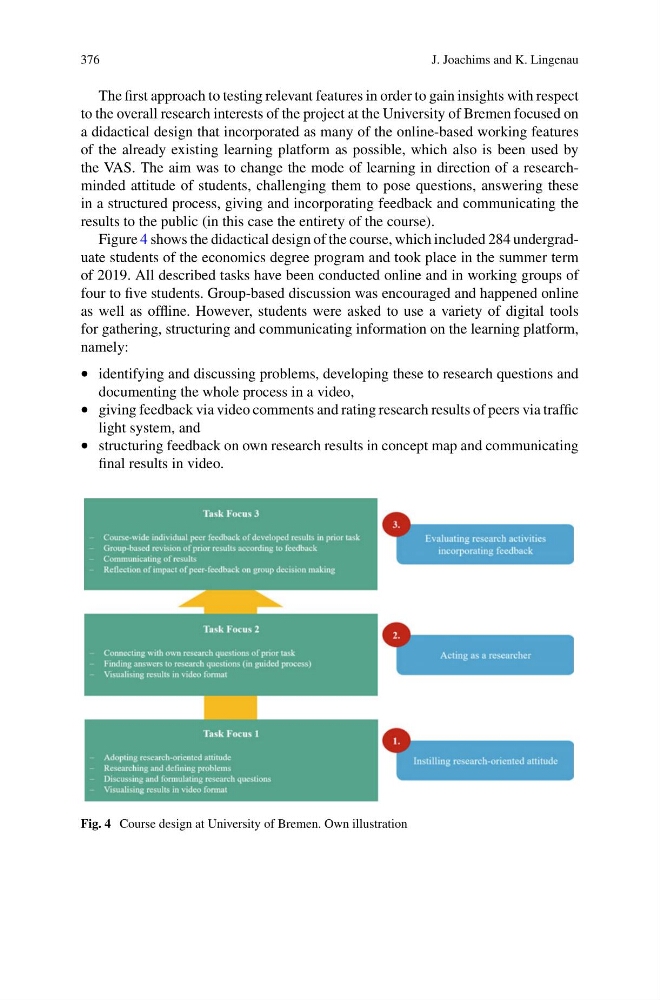
Figure 4 shows the didactical design of the course, which included 284 undergraduate students of the economics degree program and took place in the summer term
of 2019. All described tasks have been conducted online and in working groups of
four to five students. Group-based discussion was encouraged and happened online
as well as offline. However, students were asked to use a variety of digital tools
for gathering, structuring and communicating information on the learning platform,
namely:
• identifying and discussing problems, developing these to research questions and
documenting the whole process in a video,
• giving feedback via video comments and rating research results of peers via traffic
light system, and
• structuring feedback on own research results in concept map and communicating
final results in video.
Fig. 4 Course design at University of Bremen. Own illustration
J. Joachims and K. Lingenau
The first approach to testing relevant features in order to gain insights with respect
to the overall research interests of the project at the University of Bremen focused on
a didactical design that incorporated as many of the online-based working features
of the already existing learning platform as possible, which also is been used by
the VAS. The aim was to change the mode of learning in direction of a researchminded attitude of students, challenging them to pose questions, answering these
in a structured process, giving and incorporating feedback and communicating the
results to the public (in this case the entirety of the course).
Figure 4 shows the didactical design of the course, which included 284 undergraduate students of the economics degree program and took place in the summer term
of 2019. All described tasks have been conducted online and in working groups of
four to five students. Group-based discussion was encouraged and happened online
as well as offline. However, students were asked to use a variety of digital tools
for gathering, structuring and communicating information on the learning platform,
namely:
• identifying and discussing problems, developing these to research questions and
documenting the whole process in a video,
• giving feedback via video comments and rating research results of peers via traffic
light system, and
• structuring feedback on own research results in concept map and communicating
final results in video.
Fig. 4 Course design at University of Bremen. Own illustration