

What About the Human Side of Climate-Induced Migration? …
167
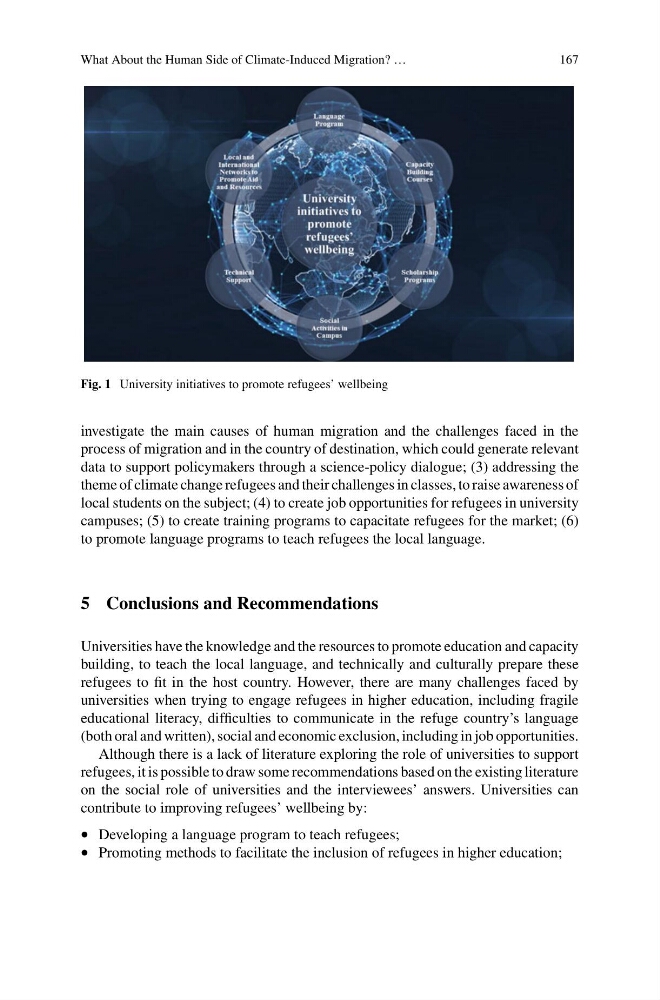
Fig. 1 University initiatives to promote refugees’ wellbeing
investigate the main causes of human migration and the challenges faced in the
process of migration and in the country of destination, which could generate relevant
data to support policymakers through a science-policy dialogue; (3) addressing the
theme of climate change refugees and their challenges in classes, to raise awareness of
local students on the subject; (4) to create job opportunities for refugees in university
campuses; (5) to create training programs to capacitate refugees for the market; (6)
to promote language programs to teach refugees the local language.
5 Conclusions and Recommendations
Universities have the knowledge and the resources to promote education and capacity
building, to teach the local language, and technically and culturally prepare these
refugees to fit in the host country. However, there are many challenges faced by
universities when trying to engage refugees in higher education, including fragile
educational literacy, difficulties to communicate in the refuge country’s language
(both oral and written), social and economic exclusion, including in job opportunities.
Although there is a lack of literature exploring the role of universities to support
refugees, it is possible to draw some recommendations based on the existing literature
on the social role of universities and the interviewees’ answers. Universities can
contribute to improving refugees’ wellbeing by:
• Developing a language program to teach refugees;
• Promoting methods to facilitate the inclusion of refugees in higher education;
167
Fig. 1 University initiatives to promote refugees’ wellbeing
investigate the main causes of human migration and the challenges faced in the
process of migration and in the country of destination, which could generate relevant
data to support policymakers through a science-policy dialogue; (3) addressing the
theme of climate change refugees and their challenges in classes, to raise awareness of
local students on the subject; (4) to create job opportunities for refugees in university
campuses; (5) to create training programs to capacitate refugees for the market; (6)
to promote language programs to teach refugees the local language.
5 Conclusions and Recommendations
Universities have the knowledge and the resources to promote education and capacity
building, to teach the local language, and technically and culturally prepare these
refugees to fit in the host country. However, there are many challenges faced by
universities when trying to engage refugees in higher education, including fragile
educational literacy, difficulties to communicate in the refuge country’s language
(both oral and written), social and economic exclusion, including in job opportunities.
Although there is a lack of literature exploring the role of universities to support
refugees, it is possible to draw some recommendations based on the existing literature
on the social role of universities and the interviewees’ answers. Universities can
contribute to improving refugees’ wellbeing by:
• Developing a language program to teach refugees;
• Promoting methods to facilitate the inclusion of refugees in higher education;