

Climate Features of Dakhla Oasis
93
Table 1 Relative sunshine
duration and daily average
solar radiation averaged from
2008 to 2010 in Kharga
meteorological station
Relative sunshine
duration (%)
Daily average solar
radiation (MJ/m 2 )
January
85
15.0
February
90
18.6
March
84
21.6
April
79
24.3
May
81
25.8
June
88
27.2
July
88
26.7
August
91
25.1
September
88
22.9
October
89
18.9
November
93
15.9
December
88
14.2
71
89
134
166
200
215
222
206
177
142
91
70
84
105
163
206
250
266
259
243
216
181
116
87
0
50
100
150
200
250
300
1
2
3
4
5
6
7
8
9
10
11
12
ETp (mm/month)
Month
Dakhla
Kharga
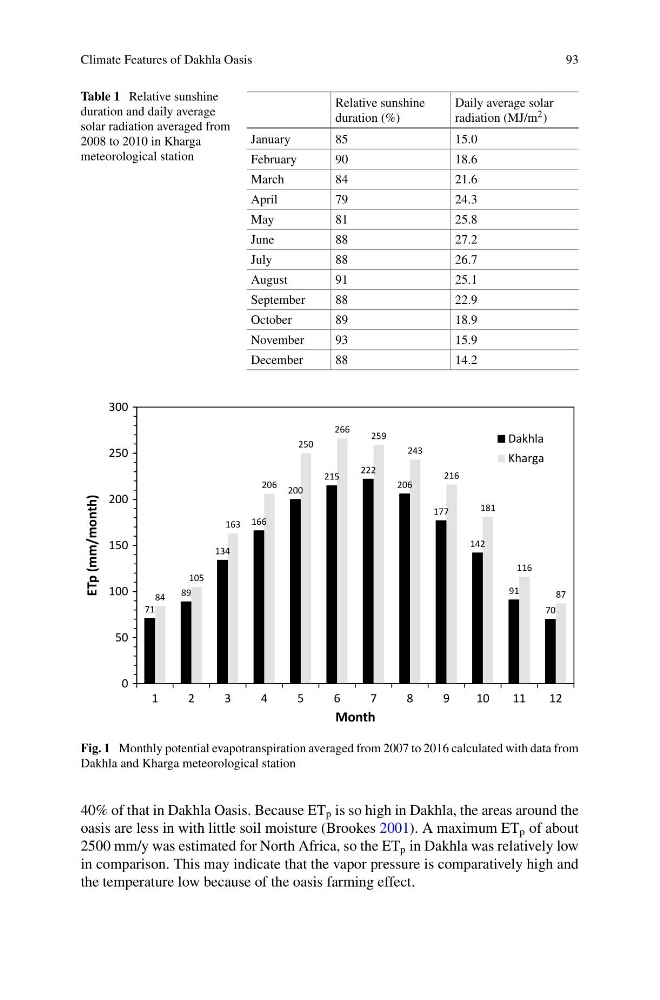
Fig. 1 Monthly potential evapotranspiration averaged from 2007 to 2016 calculated with data from
Dakhla and Kharga meteorological station
40% of that in Dakhla Oasis. Because ET p is so high in Dakhla, the areas around the
oasis are less in with little soil moisture (Brookes 2001). A maximum ET p of about
2500 mm/y was estimated for North Africa, so the ET p in Dakhla was relatively low
in comparison. This may indicate that the vapor pressure is comparatively high and
the temperature low because of the oasis farming effect.
93
Table 1 Relative sunshine
duration and daily average
solar radiation averaged from
2008 to 2010 in Kharga
meteorological station
Relative sunshine
duration (%)
Daily average solar
radiation (MJ/m 2 )
January
85
15.0
February
90
18.6
March
84
21.6
April
79
24.3
May
81
25.8
June
88
27.2
July
88
26.7
August
91
25.1
September
88
22.9
October
89
18.9
November
93
15.9
December
88
14.2
71
89
134
166
200
215
222
206
177
142
91
70
84
105
163
206
250
266
259
243
216
181
116
87
0
50
100
150
200
250
300
1
2
3
4
5
6
7
8
9
10
11
12
ETp (mm/month)
Month
Dakhla
Kharga
Fig. 1 Monthly potential evapotranspiration averaged from 2007 to 2016 calculated with data from
Dakhla and Kharga meteorological station
40% of that in Dakhla Oasis. Because ET p is so high in Dakhla, the areas around the
oasis are less in with little soil moisture (Brookes 2001). A maximum ET p of about
2500 mm/y was estimated for North Africa, so the ET p in Dakhla was relatively low
in comparison. This may indicate that the vapor pressure is comparatively high and
the temperature low because of the oasis farming effect.