

Geomorphology of Dakhla Depression
49
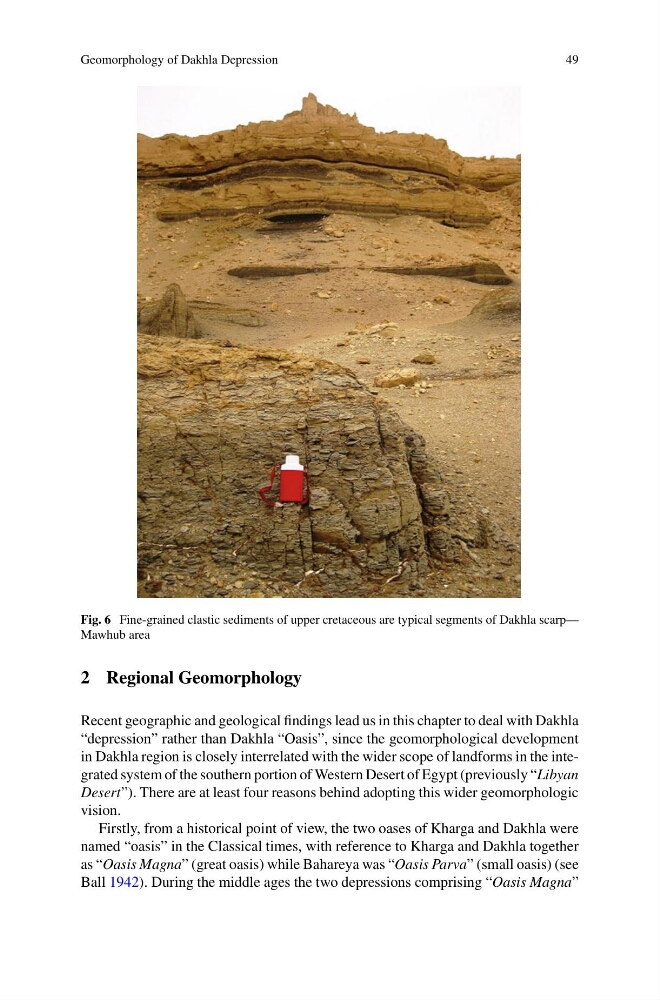
Fig. 6 Fine-grained clastic sediments of upper cretaceous are typical segments of Dakhla scarp—
Mawhub area
2 Regional Geomorphology
Recent geographic and geological findings lead us in this chapter to deal with Dakhla
“depression” rather than Dakhla “Oasis”, since the geomorphological development
in Dakhla region is closely interrelated with the wider scope of landforms in the integrated system of the southern portion of Western Desert of Egypt (previously “Libyan
Desert”). There are at least four reasons behind adopting this wider geomorphologic
vision.
Firstly, from a historical point of view, the two oases of Kharga and Dakhla were
named “oasis” in the Classical times, with reference to Kharga and Dakhla together
as “Oasis Magna” (great oasis) while Bahareya was “Oasis Parva” (small oasis) (see
Ball 1942). During the middle ages the two depressions comprising “Oasis Magna”
49
Fig. 6 Fine-grained clastic sediments of upper cretaceous are typical segments of Dakhla scarp—
Mawhub area
2 Regional Geomorphology
Recent geographic and geological findings lead us in this chapter to deal with Dakhla
“depression” rather than Dakhla “Oasis”, since the geomorphological development
in Dakhla region is closely interrelated with the wider scope of landforms in the integrated system of the southern portion of Western Desert of Egypt (previously “Libyan
Desert”). There are at least four reasons behind adopting this wider geomorphologic
vision.
Firstly, from a historical point of view, the two oases of Kharga and Dakhla were
named “oasis” in the Classical times, with reference to Kharga and Dakhla together
as “Oasis Magna” (great oasis) while Bahareya was “Oasis Parva” (small oasis) (see
Ball 1942). During the middle ages the two depressions comprising “Oasis Magna”