

15.3.1 Biochemical Characteristics of Films
As per earlier studies, the potency of an incorporated antimicrobial agent might sink
throughout film fabrication, distribution, and storage (Mila and Carmen 2013). The
cutting pressures and forces within the processing conditions in addition to the heat
labile nature of element throughout extrusion boldly restrict the selection of antimicrobial (Agustín and Cecilia 2013). A mixture of low-density polyethylene (LDPE)
resin and potassium sorbate powder help in the synthesis of a master batch. The heat
decomposition of these pellets may be inhibited by the addition of LDPE resin
(Amalini et al. 2018). Additionally, quantitative characterization of all other
operations like lamination and drying in with the adhesive chemicals ought to be
done. In some cases, during storage a good number of the volatile antimicrobial
compounds could also be lost. Most of these parameters must be assessed.
15.3.2 Characteristics of Antimicrobial Substances and Foods
The effectiveness of antimicrobial substances and their release is considerably
affected by food elements. The growth of microbes can be mathematically modeled
by a typical study on the mechanism and dynamics of growth inhibition. Possibilities
of alteration of the activity of antimicrobial substances by the physicochemical
characteristics of the food cannot be eliminated. It is quite familiar that the growth
rate of target microbes and the degree of ionization of the prime active chemicals are
greatly affected by the pH of a product (Amalini et al. 2018). For example,
polyethylene film containing carboxylic acid compound was reported to have
more ability to inhibit molds at low pH levels. Indefinite quantity of oxygen will
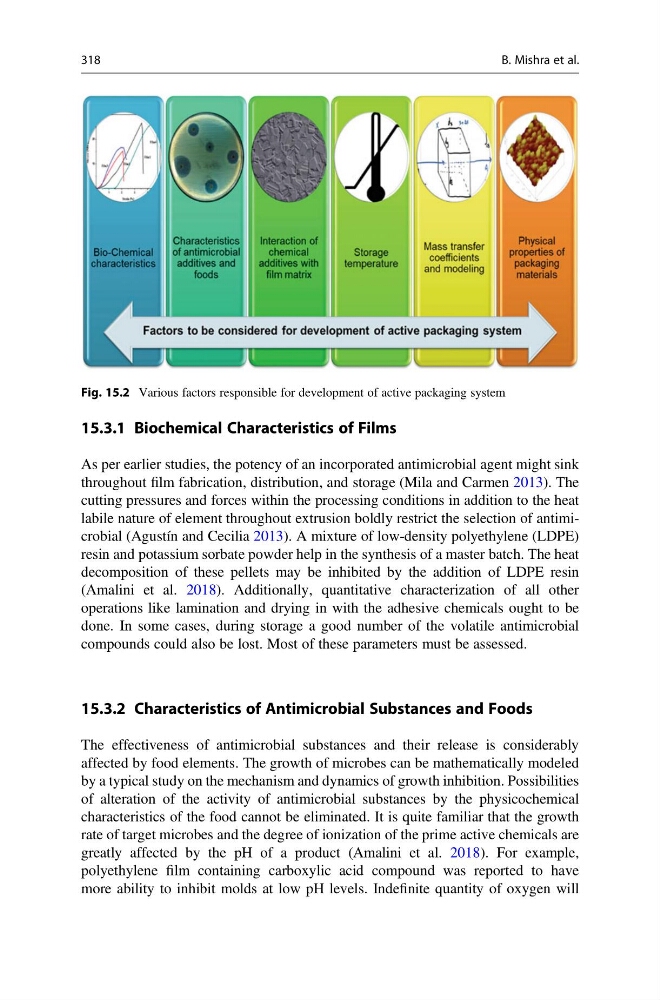
Fig. 15.2 Various factors responsible for development of active packaging system
318
B. Mishra et al.
As per earlier studies, the potency of an incorporated antimicrobial agent might sink
throughout film fabrication, distribution, and storage (Mila and Carmen 2013). The
cutting pressures and forces within the processing conditions in addition to the heat
labile nature of element throughout extrusion boldly restrict the selection of antimicrobial (Agustín and Cecilia 2013). A mixture of low-density polyethylene (LDPE)
resin and potassium sorbate powder help in the synthesis of a master batch. The heat
decomposition of these pellets may be inhibited by the addition of LDPE resin
(Amalini et al. 2018). Additionally, quantitative characterization of all other
operations like lamination and drying in with the adhesive chemicals ought to be
done. In some cases, during storage a good number of the volatile antimicrobial
compounds could also be lost. Most of these parameters must be assessed.
15.3.2 Characteristics of Antimicrobial Substances and Foods
The effectiveness of antimicrobial substances and their release is considerably
affected by food elements. The growth of microbes can be mathematically modeled
by a typical study on the mechanism and dynamics of growth inhibition. Possibilities
of alteration of the activity of antimicrobial substances by the physicochemical
characteristics of the food cannot be eliminated. It is quite familiar that the growth
rate of target microbes and the degree of ionization of the prime active chemicals are
greatly affected by the pH of a product (Amalini et al. 2018). For example,
polyethylene film containing carboxylic acid compound was reported to have
more ability to inhibit molds at low pH levels. Indefinite quantity of oxygen will
Fig. 15.2 Various factors responsible for development of active packaging system
318
B. Mishra et al.