

74
The EGSP had run a series of field-based engineering experiments that attempted
to use hydraulic fracturing to link up existing natural fracture networks in the shale
and create high-permeability flowpaths into large volumes of rock. Many different
reservoir stimulation technologies were tried, ranging from standard water-based
fracks to more exotic tests with cryogenic liquids or kerosene. The different treatments worked in some wells but not in others, and nobody had a good understanding of why the results were so hit-or-miss. DOE was left to conclude that reservoir
stimulation alone was not the key to success with shale, but additional, unknown
factors were involved (Horton 1981). In hindsight, the main problem turned out to
be that almost no one was thinking big enough.
By the time the EGSP formally ended in 1992, a number of cutting edge experiments had been done on shale. Innovative well logging techniques, reservoir anisotropy assessments, liquid CO 2 fracturing, and a number of other new technologies
came out of the EGSP. In December 1986, DOE drilled an experimental horizontal
test well 2000 feet (610 m) into the Huron Shale in West Virginia to intercept the
primary vertical natural fracture system for improved gas recovery efficiency (Duda
et al. 1991). This was the first known horizontal well drilled into a black shale, and
it produced moderate amounts of gas. George Mitchell took note of it.
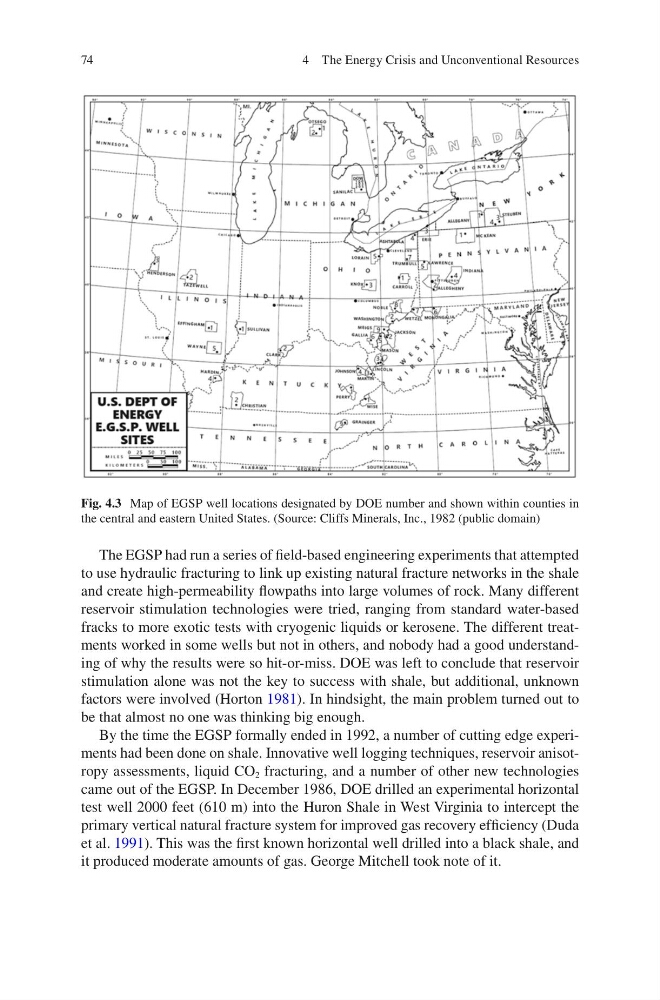
Fig. 4.3 Map of EGSP well locations designated by DOE number and shown within counties in
the central and eastern United States. (Source: Cliffs Minerals, Inc., 1982 (public domain)
4 The Energy Crisis and Unconventional Resources
The EGSP had run a series of field-based engineering experiments that attempted
to use hydraulic fracturing to link up existing natural fracture networks in the shale
and create high-permeability flowpaths into large volumes of rock. Many different
reservoir stimulation technologies were tried, ranging from standard water-based
fracks to more exotic tests with cryogenic liquids or kerosene. The different treatments worked in some wells but not in others, and nobody had a good understanding of why the results were so hit-or-miss. DOE was left to conclude that reservoir
stimulation alone was not the key to success with shale, but additional, unknown
factors were involved (Horton 1981). In hindsight, the main problem turned out to
be that almost no one was thinking big enough.
By the time the EGSP formally ended in 1992, a number of cutting edge experiments had been done on shale. Innovative well logging techniques, reservoir anisotropy assessments, liquid CO 2 fracturing, and a number of other new technologies
came out of the EGSP. In December 1986, DOE drilled an experimental horizontal
test well 2000 feet (610 m) into the Huron Shale in West Virginia to intercept the
primary vertical natural fracture system for improved gas recovery efficiency (Duda
et al. 1991). This was the first known horizontal well drilled into a black shale, and
it produced moderate amounts of gas. George Mitchell took note of it.
Fig. 4.3 Map of EGSP well locations designated by DOE number and shown within counties in
the central and eastern United States. (Source: Cliffs Minerals, Inc., 1982 (public domain)
4 The Energy Crisis and Unconventional Resources