

38
bites, respiratory problems, hysteria, epilepsy, uterine prolapse, and bringing on
menstruation. Petroleum mixed with the ashes of cabbage stalks was said to be good
for scabies. A preparation of petroleum applied to the forehead was prescribed to
warm the brain.
The subsequent translation of Ibn Sina’s medical encyclopedia into Latin spread
the knowledge to Europe, where it reached Constantinus Africanus (c.1020–1087),
the first Latin scholar to use the word “petroleum” to describe liquid fossil fuel
hydrocarbons (McDonald 2011). The term itself is apparently a Latinization of a
Byzantine Greek word that literally means “rock oil,” which is indeed a straightforward description of the substance.
In North America, the Seneca tribe of the Iroquois Nation had been collecting oil
from natural seeps for hundreds of years, employing it as a salve, insect repellent,
and cure-all tonic. Early European settlers in the 1600s called the black, gooey substance “Seneca Oil,” and followed the example of the natives by using it as a medicine (Harper 1995). By the mid-nineteenth century, rock oil obtained primarily from
surface seeps was being marketed by numerous and often shady entrepreneurs as a
medical treatment for everything from ulcers to blindness.
One of the more famous of these petroleum-based patent medicines at the time
was a product sold by a man named Samuel M. Kier in Pennsylvania. Kier was in
the business of supplying salt to Pennsylvania farmers, who needed it to cure meat,
pickle vegetables, and keep livestock healthy. Pennsylvania is a long way from the
ocean, the source of salt in coastal regions, so Kier and his father operated a number
of saltwater wells near Tarentum along the Allegheny River, producing brines from
various sedimentary rocks at depths of up to 500 feet. They would evaporate the
brines to create rock salt. Substantial amounts of crude oil also came up with the
saltwater, which annoyingly had to be separated out and discarded (Brice 2008).
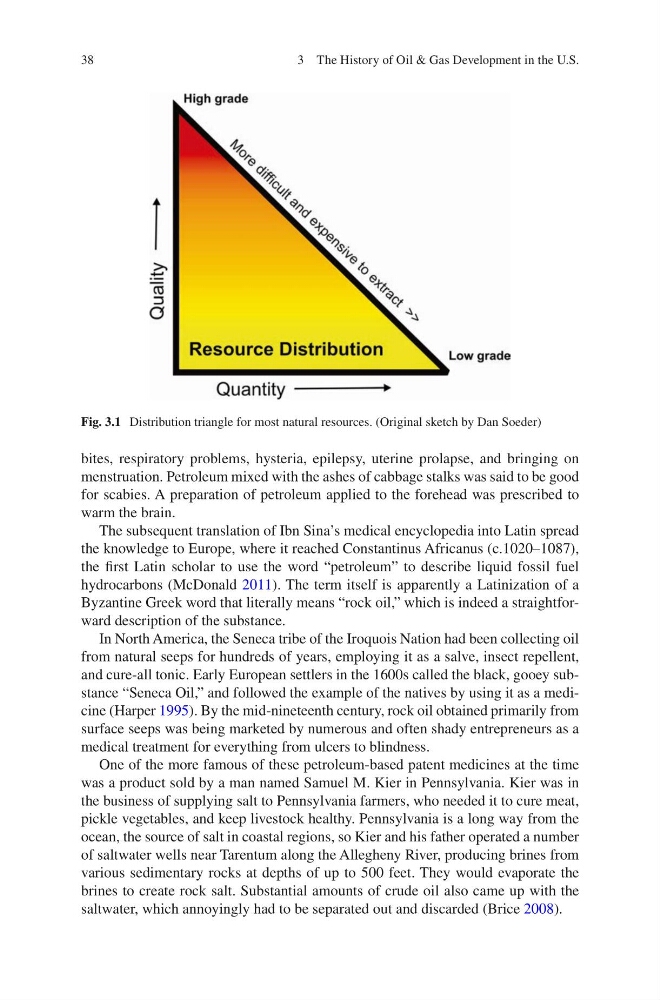
Fig. 3.1 Distribution triangle for most natural resources. (Original sketch by Dan Soeder)
3 The History of Oil & Gas Development in the U.S.
bites, respiratory problems, hysteria, epilepsy, uterine prolapse, and bringing on
menstruation. Petroleum mixed with the ashes of cabbage stalks was said to be good
for scabies. A preparation of petroleum applied to the forehead was prescribed to
warm the brain.
The subsequent translation of Ibn Sina’s medical encyclopedia into Latin spread
the knowledge to Europe, where it reached Constantinus Africanus (c.1020–1087),
the first Latin scholar to use the word “petroleum” to describe liquid fossil fuel
hydrocarbons (McDonald 2011). The term itself is apparently a Latinization of a
Byzantine Greek word that literally means “rock oil,” which is indeed a straightforward description of the substance.
In North America, the Seneca tribe of the Iroquois Nation had been collecting oil
from natural seeps for hundreds of years, employing it as a salve, insect repellent,
and cure-all tonic. Early European settlers in the 1600s called the black, gooey substance “Seneca Oil,” and followed the example of the natives by using it as a medicine (Harper 1995). By the mid-nineteenth century, rock oil obtained primarily from
surface seeps was being marketed by numerous and often shady entrepreneurs as a
medical treatment for everything from ulcers to blindness.
One of the more famous of these petroleum-based patent medicines at the time
was a product sold by a man named Samuel M. Kier in Pennsylvania. Kier was in
the business of supplying salt to Pennsylvania farmers, who needed it to cure meat,
pickle vegetables, and keep livestock healthy. Pennsylvania is a long way from the
ocean, the source of salt in coastal regions, so Kier and his father operated a number
of saltwater wells near Tarentum along the Allegheny River, producing brines from
various sedimentary rocks at depths of up to 500 feet. They would evaporate the
brines to create rock salt. Substantial amounts of crude oil also came up with the
saltwater, which annoyingly had to be separated out and discarded (Brice 2008).
Fig. 3.1 Distribution triangle for most natural resources. (Original sketch by Dan Soeder)
3 The History of Oil & Gas Development in the U.S.