

29
pressure gradient in the borehole of about 0.5 psi/foot of depth (22.6 kPa/m). This
is due to the weight of the water above pushing down on the water below. The pump
trucks gradually increase pressure on the fluid until it exceeds the formation strength
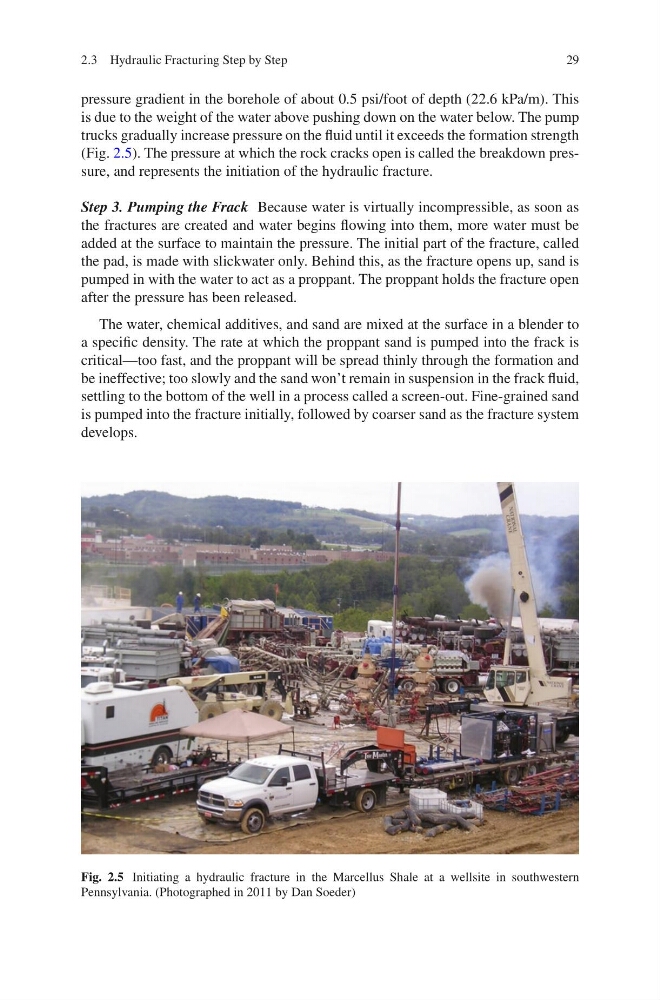
(Fig. 2.5). The pressure at which the rock cracks open is called the breakdown pressure, and represents the initiation of the hydraulic fracture.
Step 3. Pumping the Frack Because water is virtually incompressible, as soon as
the fractures are created and water begins flowing into them, more water must be
added at the surface to maintain the pressure. The initial part of the fracture, called
the pad, is made with slickwater only. Behind this, as the fracture opens up, sand is
pumped in with the water to act as a proppant. The proppant holds the fracture open
after the pressure has been released.
The water, chemical additives, and sand are mixed at the surface in a blender to
a specific density. The rate at which the proppant sand is pumped into the frack is
critical—too fast, and the proppant will be spread thinly through the formation and
be ineffective; too slowly and the sand won’t remain in suspension in the frack fluid,
settling to the bottom of the well in a process called a screen-out. Fine-grained sand
is pumped into the fracture initially, followed by coarser sand as the fracture system
develops.
Fig. 2.5 Initiating a hydraulic fracture in the Marcellus Shale at a wellsite in southwestern
Pennsylvania. (Photographed in 2011 by Dan Soeder)
2.3 Hydraulic Fracturing Step by Step
pressure gradient in the borehole of about 0.5 psi/foot of depth (22.6 kPa/m). This
is due to the weight of the water above pushing down on the water below. The pump
trucks gradually increase pressure on the fluid until it exceeds the formation strength
(Fig. 2.5). The pressure at which the rock cracks open is called the breakdown pressure, and represents the initiation of the hydraulic fracture.
Step 3. Pumping the Frack Because water is virtually incompressible, as soon as
the fractures are created and water begins flowing into them, more water must be
added at the surface to maintain the pressure. The initial part of the fracture, called
the pad, is made with slickwater only. Behind this, as the fracture opens up, sand is
pumped in with the water to act as a proppant. The proppant holds the fracture open
after the pressure has been released.
The water, chemical additives, and sand are mixed at the surface in a blender to
a specific density. The rate at which the proppant sand is pumped into the frack is
critical—too fast, and the proppant will be spread thinly through the formation and
be ineffective; too slowly and the sand won’t remain in suspension in the frack fluid,
settling to the bottom of the well in a process called a screen-out. Fine-grained sand
is pumped into the fracture initially, followed by coarser sand as the fracture system
develops.
Fig. 2.5 Initiating a hydraulic fracture in the Marcellus Shale at a wellsite in southwestern
Pennsylvania. (Photographed in 2011 by Dan Soeder)
2.3 Hydraulic Fracturing Step by Step