

27
walls of the fracture to move apart in a horizontal direction to create a vertical crack.
A hydraulic fracture created at too shallow of a depth will uplift the rock vertically
and form a horizontal crack. This is known as “pancaking” in industry parlance, and
is to be avoided because horizontal fractures are very inefficient for production. A
minimum overburden thickness of 2500 feet (800 m) is considered necessary to
obtain a vertical hydraulic fracture. Most fracks are performed in target formations
that are two to four times deeper than this minimum.
High-volume hydraulic fracturing (HVHF) is the type of fracking operation usually carried out on horizontal shale wells. These use substantially greater quantities
of water, sand, and chemicals than fracks done in vertical wells, even so-called
“massive” hydraulic fractures. Because vertical wells only penetrate a limited thickness of the target formation, fracks are typically limited to only one stage for creating vertical cracks into the target zone. Horizontal wells, on the other hand, penetrate
long lateral lengths of the target formation, allowing HVHF to be done in multiple
stages or increments. Each stage extends through a length of about 500 feet (150 m)
of borehole. The first stage begins at the toe end of the lateral and successive stages
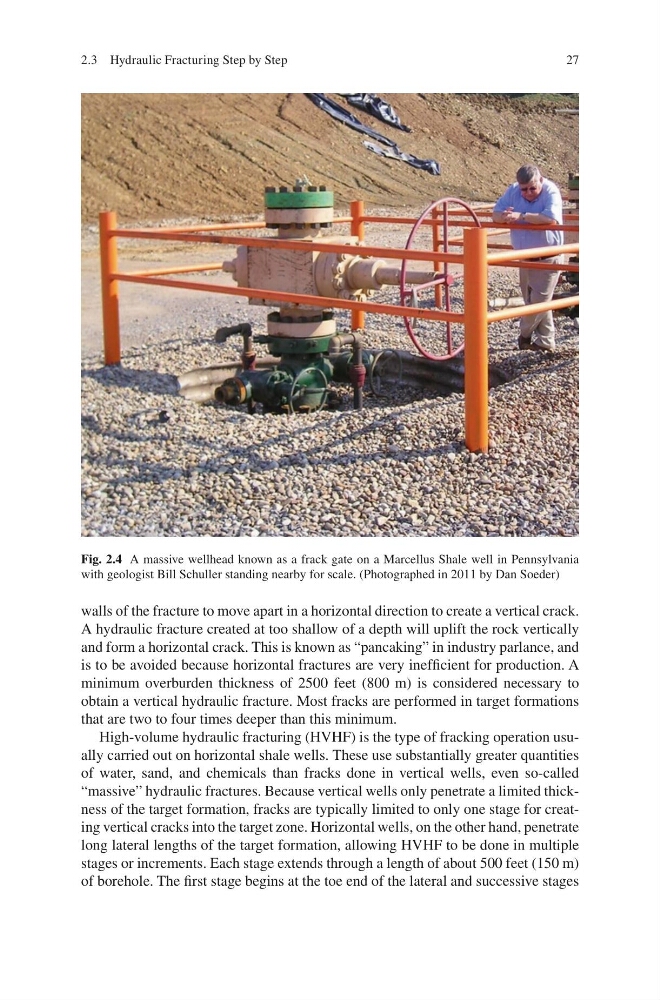
Fig. 2.4 A massive wellhead known as a frack gate on a Marcellus Shale well in Pennsylvania
with geologist Bill Schuller standing nearby for scale. (Photographed in 2011 by Dan Soeder)
2.3 Hydraulic Fracturing Step by Step
walls of the fracture to move apart in a horizontal direction to create a vertical crack.
A hydraulic fracture created at too shallow of a depth will uplift the rock vertically
and form a horizontal crack. This is known as “pancaking” in industry parlance, and
is to be avoided because horizontal fractures are very inefficient for production. A
minimum overburden thickness of 2500 feet (800 m) is considered necessary to
obtain a vertical hydraulic fracture. Most fracks are performed in target formations
that are two to four times deeper than this minimum.
High-volume hydraulic fracturing (HVHF) is the type of fracking operation usually carried out on horizontal shale wells. These use substantially greater quantities
of water, sand, and chemicals than fracks done in vertical wells, even so-called
“massive” hydraulic fractures. Because vertical wells only penetrate a limited thickness of the target formation, fracks are typically limited to only one stage for creating vertical cracks into the target zone. Horizontal wells, on the other hand, penetrate
long lateral lengths of the target formation, allowing HVHF to be done in multiple
stages or increments. Each stage extends through a length of about 500 feet (150 m)
of borehole. The first stage begins at the toe end of the lateral and successive stages
Fig. 2.4 A massive wellhead known as a frack gate on a Marcellus Shale well in Pennsylvania
with geologist Bill Schuller standing nearby for scale. (Photographed in 2011 by Dan Soeder)
2.3 Hydraulic Fracturing Step by Step