

229
generation to avoid a loss of control and potential disaster. The nuclear fuel also
generates significant volumes of highly radioactive waste that must be handled and
disposed of properly. Utilities are reluctant to construct reactors because it must be
done on site to exacting specifications with multiple inspections and complicated
permits over long time periods and at great expense.
Things do not have to be done this way. Advances in the technology of nuclear
reactor designs for both submarines and spacecraft can be applied to the electric
power industry. Small molten salt reactors will fit into existing coal-fired and natural
gas power plants as substitute sources of heat to produce steam for generator turbines. These new engineering designs employ standard architecture and are constructed in factories as modular units to speed up the licensing and commissioning
process. Even in the event of a total loss-of-coolant accident, small reactors are not
capable of a core meltdown as they do not contain sufficient fissionable material to
reach temperatures high enough to melt. Society needs to get past the fear of nuclear
energy because these non-GHG emitting energy sources are a critically important
technological solution for the energy future.
The pressurized water reactors currently in use were designed in the 1950s, and
use uranium as a nuclear fuel source. This is a relic of Cold War nuclear materials
processing. Uranium comes in two common isotopes: 235 U, which breaks apart readily and releases energy in a process called fission, and 238 U, which is much less fissionable but will still do so under a strong neutron flux. The 235 U isotope releases
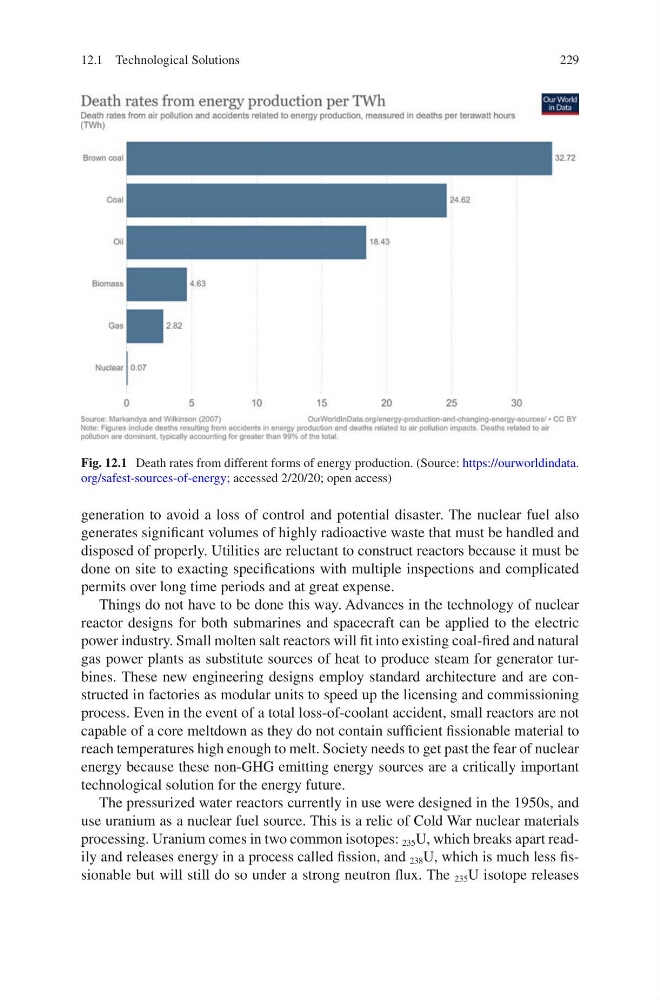
Fig. 12.1 Death rates from different forms of energy production. (Source: https://ourworldindata.
org/safest-sources-of-energy; accessed 2/20/20; open access)
12.1 Technological Solutions
generation to avoid a loss of control and potential disaster. The nuclear fuel also
generates significant volumes of highly radioactive waste that must be handled and
disposed of properly. Utilities are reluctant to construct reactors because it must be
done on site to exacting specifications with multiple inspections and complicated
permits over long time periods and at great expense.
Things do not have to be done this way. Advances in the technology of nuclear
reactor designs for both submarines and spacecraft can be applied to the electric
power industry. Small molten salt reactors will fit into existing coal-fired and natural
gas power plants as substitute sources of heat to produce steam for generator turbines. These new engineering designs employ standard architecture and are constructed in factories as modular units to speed up the licensing and commissioning
process. Even in the event of a total loss-of-coolant accident, small reactors are not
capable of a core meltdown as they do not contain sufficient fissionable material to
reach temperatures high enough to melt. Society needs to get past the fear of nuclear
energy because these non-GHG emitting energy sources are a critically important
technological solution for the energy future.
The pressurized water reactors currently in use were designed in the 1950s, and
use uranium as a nuclear fuel source. This is a relic of Cold War nuclear materials
processing. Uranium comes in two common isotopes: 235 U, which breaks apart readily and releases energy in a process called fission, and 238 U, which is much less fissionable but will still do so under a strong neutron flux. The 235 U isotope releases
Fig. 12.1 Death rates from different forms of energy production. (Source: https://ourworldindata.
org/safest-sources-of-energy; accessed 2/20/20; open access)
12.1 Technological Solutions