

146
biodiversity relies on the complex interactions of various species within an ecological network, the effects of habitat fragmentation can extend well beyond just the
species that are unable to cross the boundary. Habitat fragmentation can degrade the
operation of an entire ecosystem because of the way patterns and processes are
networked. Fragmentation can lead to species dispersal, colonization, or extinction
depending on network structure and co-evolutionary dynamics (Hagen et al. 2012).
Another potential impact from fracking on terrestrial ecosystems is the introduction of invasive species into new habitats. Drill rigs, trucks, cranes, and earthmoving
equipment have been moved across the country multiple times to drill and frack
wells from Texas to North Dakota to Pennsylvania. Plants and animals hitchhiking
along with any of this gear may have ended up being deposited in new habitats. No
one has yet reported armadillos in West Virginia, for example, but the possibility
exists. Invasive species are often able to establish a firm foothold in a new territory
before being recognized.
Species that end up in a new area where they have no natural enemies are prone
to reproduce out of control and damage the environment for existing species.
Invasive species are sometimes introduced deliberately, such as the South American
nutria (Myocastor coypus) a muskrat-like mammal brought in to Louisiana by fur
farmers in the 1920s. The critters managed to escape into the swamps and breed
copiously, causing significant damage to wetlands all along the Gulf and East
Coasts. They have now made their way as far north as the Chesapeake Bay. Other
invasive species have been introduced inadvertently, like zebra mussels (Dreissena
polymorpha) native to the lakes of southern Russia and Ukraine. They became
established in Lake St. Clair (between Lakes Huron and Erie) in 1988, presumably
from the ballast water expelled by international ships transiting the St. Lawrence
Seaway. With no natural predators, zebra mussels soon spread throughout the Great
Lakes, clogging water intakes and biofouling docks and ship bottoms.
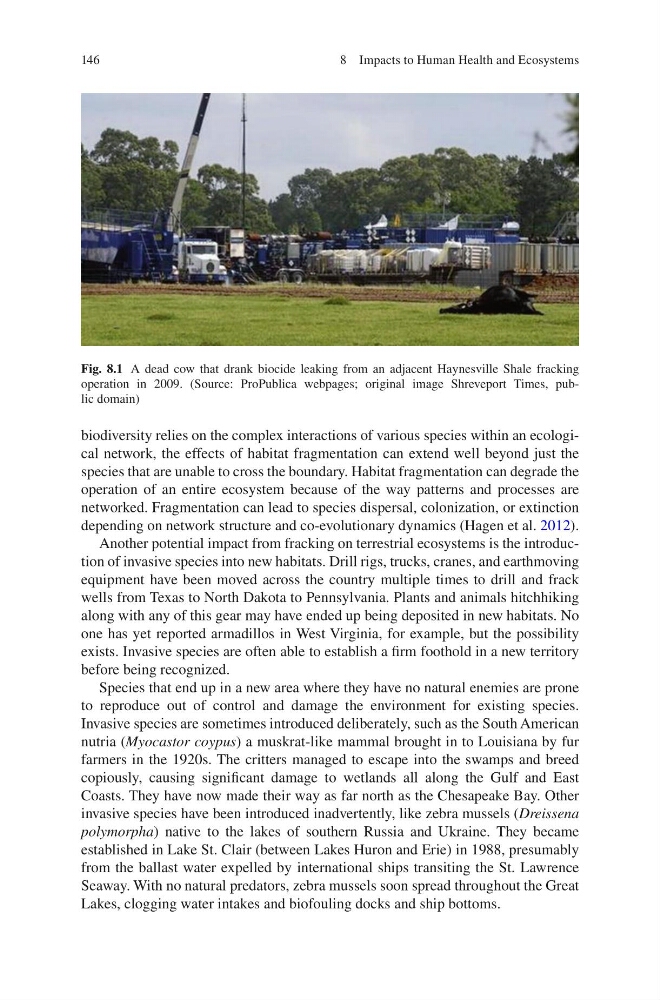
Fig. 8.1 A dead cow that drank biocide leaking from an adjacent Haynesville Shale fracking
operation in 2009. (Source: ProPublica webpages; original image Shreveport Times, public domain)
8 Impacts to Human Health and Ecosystems
biodiversity relies on the complex interactions of various species within an ecological network, the effects of habitat fragmentation can extend well beyond just the
species that are unable to cross the boundary. Habitat fragmentation can degrade the
operation of an entire ecosystem because of the way patterns and processes are
networked. Fragmentation can lead to species dispersal, colonization, or extinction
depending on network structure and co-evolutionary dynamics (Hagen et al. 2012).
Another potential impact from fracking on terrestrial ecosystems is the introduction of invasive species into new habitats. Drill rigs, trucks, cranes, and earthmoving
equipment have been moved across the country multiple times to drill and frack
wells from Texas to North Dakota to Pennsylvania. Plants and animals hitchhiking
along with any of this gear may have ended up being deposited in new habitats. No
one has yet reported armadillos in West Virginia, for example, but the possibility
exists. Invasive species are often able to establish a firm foothold in a new territory
before being recognized.
Species that end up in a new area where they have no natural enemies are prone
to reproduce out of control and damage the environment for existing species.
Invasive species are sometimes introduced deliberately, such as the South American
nutria (Myocastor coypus) a muskrat-like mammal brought in to Louisiana by fur
farmers in the 1920s. The critters managed to escape into the swamps and breed
copiously, causing significant damage to wetlands all along the Gulf and East
Coasts. They have now made their way as far north as the Chesapeake Bay. Other
invasive species have been introduced inadvertently, like zebra mussels (Dreissena
polymorpha) native to the lakes of southern Russia and Ukraine. They became
established in Lake St. Clair (between Lakes Huron and Erie) in 1988, presumably
from the ballast water expelled by international ships transiting the St. Lawrence
Seaway. With no natural predators, zebra mussels soon spread throughout the Great
Lakes, clogging water intakes and biofouling docks and ship bottoms.
Fig. 8.1 A dead cow that drank biocide leaking from an adjacent Haynesville Shale fracking
operation in 2009. (Source: ProPublica webpages; original image Shreveport Times, public domain)
8 Impacts to Human Health and Ecosystems