

274
F. Shidiq et al.
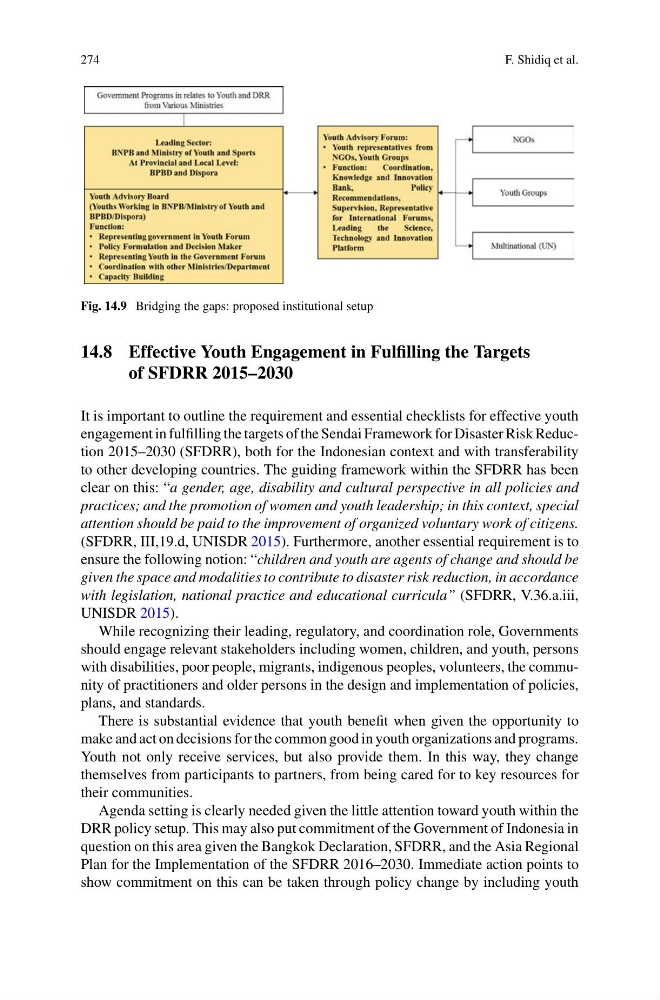
Fig. 14.9 Bridging the gaps: proposed institutional setup
14.8 Effective Youth Engagement in Fulfilling the Targets
of SFDRR 2015–2030
It is important to outline the requirement and essential checklists for effective youth
engagement in fulfilling the targets of the Sendai Framework for Disaster Risk Reduction 2015–2030 (SFDRR), both for the Indonesian context and with transferability
to other developing countries. The guiding framework within the SFDRR has been
clear on this: “a gender, age, disability and cultural perspective in all policies and
practices; and the promotion of women and youth leadership; in this context, special
attention should be paid to the improvement of organized voluntary work of citizens.
(SFDRR, III,19.d, UNISDR 2015). Furthermore, another essential requirement is to
ensure the following notion: “children and youth are agents of change and should be
given the space and modalities to contribute to disaster risk reduction, in accordance
with legislation, national practice and educational curricula” (SFDRR, V.36.a.iii,
UNISDR 2015).
While recognizing their leading, regulatory, and coordination role, Governments
should engage relevant stakeholders including women, children, and youth, persons
with disabilities, poor people, migrants, indigenous peoples, volunteers, the community of practitioners and older persons in the design and implementation of policies,
plans, and standards.
There is substantial evidence that youth benefit when given the opportunity to
make and act on decisions for the common good in youth organizations and programs.
Youth not only receive services, but also provide them. In this way, they change
themselves from participants to partners, from being cared for to key resources for
their communities.
Agenda setting is clearly needed given the little attention toward youth within the
DRR policy setup. This may also put commitment of the Government of Indonesia in
question on this area given the Bangkok Declaration, SFDRR, and the Asia Regional
Plan for the Implementation of the SFDRR 2016–2030. Immediate action points to
show commitment on this can be taken through policy change by including youth
F. Shidiq et al.
Fig. 14.9 Bridging the gaps: proposed institutional setup
14.8 Effective Youth Engagement in Fulfilling the Targets
of SFDRR 2015–2030
It is important to outline the requirement and essential checklists for effective youth
engagement in fulfilling the targets of the Sendai Framework for Disaster Risk Reduction 2015–2030 (SFDRR), both for the Indonesian context and with transferability
to other developing countries. The guiding framework within the SFDRR has been
clear on this: “a gender, age, disability and cultural perspective in all policies and
practices; and the promotion of women and youth leadership; in this context, special
attention should be paid to the improvement of organized voluntary work of citizens.
(SFDRR, III,19.d, UNISDR 2015). Furthermore, another essential requirement is to
ensure the following notion: “children and youth are agents of change and should be
given the space and modalities to contribute to disaster risk reduction, in accordance
with legislation, national practice and educational curricula” (SFDRR, V.36.a.iii,
UNISDR 2015).
While recognizing their leading, regulatory, and coordination role, Governments
should engage relevant stakeholders including women, children, and youth, persons
with disabilities, poor people, migrants, indigenous peoples, volunteers, the community of practitioners and older persons in the design and implementation of policies,
plans, and standards.
There is substantial evidence that youth benefit when given the opportunity to
make and act on decisions for the common good in youth organizations and programs.
Youth not only receive services, but also provide them. In this way, they change
themselves from participants to partners, from being cared for to key resources for
their communities.
Agenda setting is clearly needed given the little attention toward youth within the
DRR policy setup. This may also put commitment of the Government of Indonesia in
question on this area given the Bangkok Declaration, SFDRR, and the Asia Regional
Plan for the Implementation of the SFDRR 2016–2030. Immediate action points to
show commitment on this can be taken through policy change by including youth