

1000 mg kg
−1 , then two phosphate fertilization treatments, 0
and 200 kg ha
−1 , were conducted in each plot for ten years.
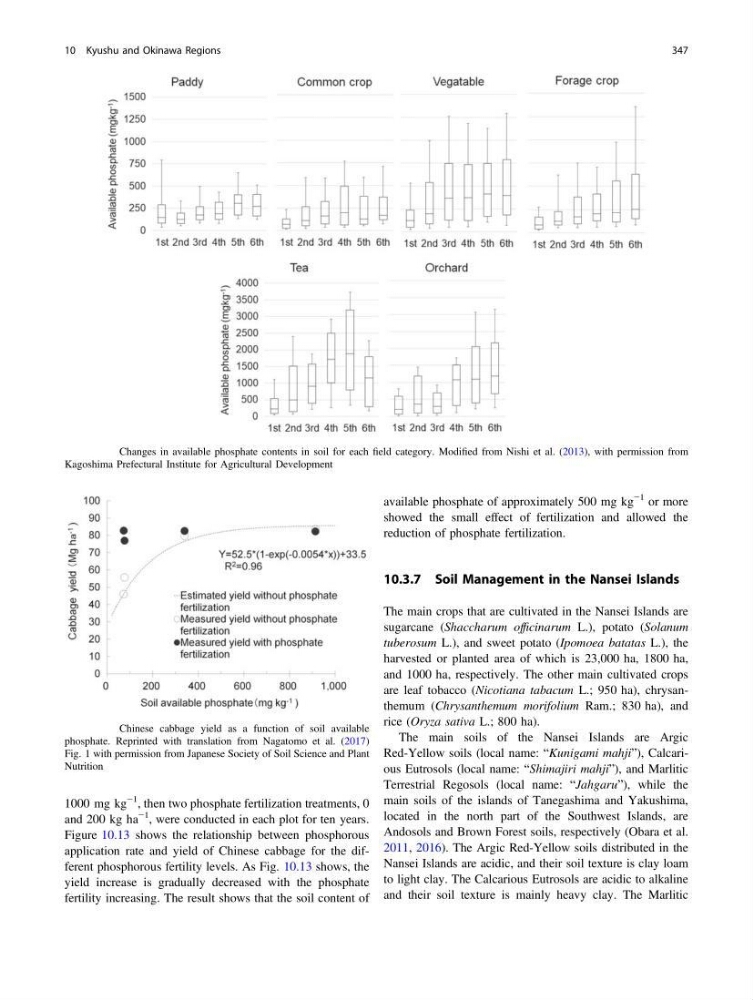
Figure 10.13 shows the relationship between phosphorous
application rate and yield of Chinese cabbage for the different phosphorous fertility levels. As Fig. 10.13 shows, the
yield increase is gradually decreased with the phosphate
fertility increasing. The result shows that the soil content of
available phosphate of approximately 500 mg kg
−1 or more
showed the small effect of fertilization and allowed the
reduction of phosphate fertilization.
10.3.7 Soil Management in the Nansei Islands
The main crops that are cultivated in the Nansei Islands are
sugarcane (Shaccharum officinarum L.), potato (Solanum
tuberosum L.), and sweet potato (Ipomoea batatas L.), the
harvested or planted area of which is 23,000 ha, 1800 ha,
and 1000 ha, respectively. The other main cultivated crops
are leaf tobacco (Nicotiana tabacum L.; 950 ha), chrysanthemum (Chrysanthemum morifolium Ram.; 830 ha), and
rice (Oryza sativa L.; 800 ha).
The main soils of the Nansei Islands are Argic
Red-Yellow soils (local name: “Kunigami mahji”), Calcarious Eutrosols (local name: “Shimajiri mahji”), and Marlitic
Terrestrial Regosols (local name: “Jahgaru”), while the
main soils of the islands of Tanegashima and Yakushima,
located in the north part of the Southwest Islands, are
Andosols and Brown Forest soils, respectively (Obara et al.
2011, 2016). The Argic Red-Yellow soils distributed in the
Nansei Islands are acidic, and their soil texture is clay loam
to light clay. The Calcarious Eutrosols are acidic to alkaline
and their soil texture is mainly heavy clay. The Marlitic
Fig. 10.12 Changes in available phosphate contents in soil for each field category. Modified from Nishi et al. (2013), with permission from
Kagoshima Prefectural Institute for Agricultural Development
Fig. 10.13 Chinese cabbage yield as a function of soil available
phosphate. Reprinted with translation from Nagatomo et al. (2017)
Fig. 1 with permission from Japanese Society of Soil Science and Plant
Nutrition
10 Kyushu and Okinawa Regions
347
−1 , then two phosphate fertilization treatments, 0
and 200 kg ha
−1 , were conducted in each plot for ten years.
Figure 10.13 shows the relationship between phosphorous
application rate and yield of Chinese cabbage for the different phosphorous fertility levels. As Fig. 10.13 shows, the
yield increase is gradually decreased with the phosphate
fertility increasing. The result shows that the soil content of
available phosphate of approximately 500 mg kg
−1 or more
showed the small effect of fertilization and allowed the
reduction of phosphate fertilization.
10.3.7 Soil Management in the Nansei Islands
The main crops that are cultivated in the Nansei Islands are
sugarcane (Shaccharum officinarum L.), potato (Solanum
tuberosum L.), and sweet potato (Ipomoea batatas L.), the
harvested or planted area of which is 23,000 ha, 1800 ha,
and 1000 ha, respectively. The other main cultivated crops
are leaf tobacco (Nicotiana tabacum L.; 950 ha), chrysanthemum (Chrysanthemum morifolium Ram.; 830 ha), and
rice (Oryza sativa L.; 800 ha).
The main soils of the Nansei Islands are Argic
Red-Yellow soils (local name: “Kunigami mahji”), Calcarious Eutrosols (local name: “Shimajiri mahji”), and Marlitic
Terrestrial Regosols (local name: “Jahgaru”), while the
main soils of the islands of Tanegashima and Yakushima,
located in the north part of the Southwest Islands, are
Andosols and Brown Forest soils, respectively (Obara et al.
2011, 2016). The Argic Red-Yellow soils distributed in the
Nansei Islands are acidic, and their soil texture is clay loam
to light clay. The Calcarious Eutrosols are acidic to alkaline
and their soil texture is mainly heavy clay. The Marlitic
Fig. 10.12 Changes in available phosphate contents in soil for each field category. Modified from Nishi et al. (2013), with permission from
Kagoshima Prefectural Institute for Agricultural Development
Fig. 10.13 Chinese cabbage yield as a function of soil available
phosphate. Reprinted with translation from Nagatomo et al. (2017)
Fig. 1 with permission from Japanese Society of Soil Science and Plant
Nutrition
10 Kyushu and Okinawa Regions
347