

30
2.2 Baseline Data Collection
Baseline data collection shall need to be done at different geographical levels to
assess overall health status of set-up at different hierarchies:
• Baseline data of health at the national, regional, as well as provincial levels
• Baseline data of health at the district level
• Baseline data of health at project location
Considering varying geographical areas of different countries, the hierarchy can
be clubbed in the case of small countries where the difference of health scenario is
insignificant.
Human health is linked to “determinants”, which are a range of personal, cultural, social, institutional, economic and environmental factors that establish the
health of populations or individuals.
Environmental health concerns in a region include the following:
• Air quality
Monitoring and Evaluation
Theory: Monitor and evaluate acƟon plan chaƩed out
PracƟce: Monitoring and evaluaƟon is either delayed /forgoƩen or
manupulated to avoid publicity of wrong dcisions
Health Action Plan
Theory: Chart out acƟon plan, eloboraƟng resopnsibliƟes of different
stake holders
Pracitce: Copy acƟon plan from some other similar project which is
either irrelavant or too costly to help associate organisatoin of
consultant/decision makers
Risk Assessment
Theory: IdenƟfy prossible risk perƟnant to locaƟon and populaƟon
PracƟce : Manupulate risk assessment as payment to consulatant
depends on posiƟve out come and acceptance by statutory/funding
agency
Baseline data
Theory: Seconday/primary data collecƟon
PracƟce: CollecƟon and compilaƟon of data by consultants roteanly
avoiding documenƟng data which could detremental to project
Scoping
Theory: Set geographical, Ɵme scale and populaƟon boundaries to the
assessment
PracƟce: Preapres rotean stnadard scope for all type of
project/locaƟon/populaƟon
Screening
Theory: Determine wheather HIA is required
PracƟce: Try to avoid preparing HIA by looking into flaws of laws
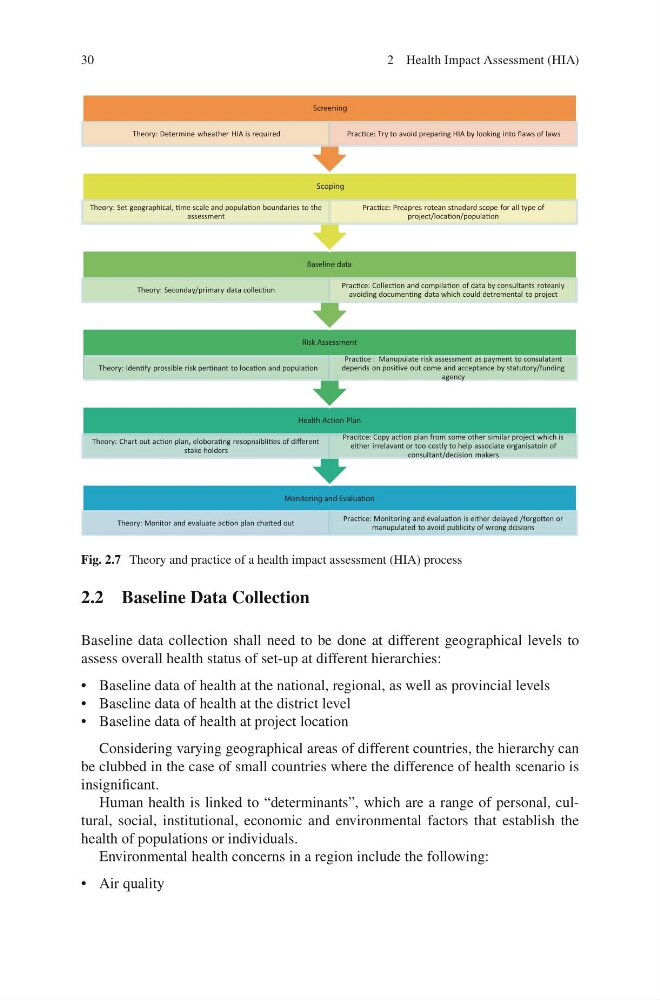
Fig. 2.7 Theory and practice of a health impact assessment (HIA) process
2 Health Impact Assessment (HIA)
2.2 Baseline Data Collection
Baseline data collection shall need to be done at different geographical levels to
assess overall health status of set-up at different hierarchies:
• Baseline data of health at the national, regional, as well as provincial levels
• Baseline data of health at the district level
• Baseline data of health at project location
Considering varying geographical areas of different countries, the hierarchy can
be clubbed in the case of small countries where the difference of health scenario is
insignificant.
Human health is linked to “determinants”, which are a range of personal, cultural, social, institutional, economic and environmental factors that establish the
health of populations or individuals.
Environmental health concerns in a region include the following:
• Air quality
Monitoring and Evaluation
Theory: Monitor and evaluate acƟon plan chaƩed out
PracƟce: Monitoring and evaluaƟon is either delayed /forgoƩen or
manupulated to avoid publicity of wrong dcisions
Health Action Plan
Theory: Chart out acƟon plan, eloboraƟng resopnsibliƟes of different
stake holders
Pracitce: Copy acƟon plan from some other similar project which is
either irrelavant or too costly to help associate organisatoin of
consultant/decision makers
Risk Assessment
Theory: IdenƟfy prossible risk perƟnant to locaƟon and populaƟon
PracƟce : Manupulate risk assessment as payment to consulatant
depends on posiƟve out come and acceptance by statutory/funding
agency
Baseline data
Theory: Seconday/primary data collecƟon
PracƟce: CollecƟon and compilaƟon of data by consultants roteanly
avoiding documenƟng data which could detremental to project
Scoping
Theory: Set geographical, Ɵme scale and populaƟon boundaries to the
assessment
PracƟce: Preapres rotean stnadard scope for all type of
project/locaƟon/populaƟon
Screening
Theory: Determine wheather HIA is required
PracƟce: Try to avoid preparing HIA by looking into flaws of laws
Fig. 2.7 Theory and practice of a health impact assessment (HIA) process
2 Health Impact Assessment (HIA)