

12 Innovative Financing for Peatland Restoration in Indonesia
259
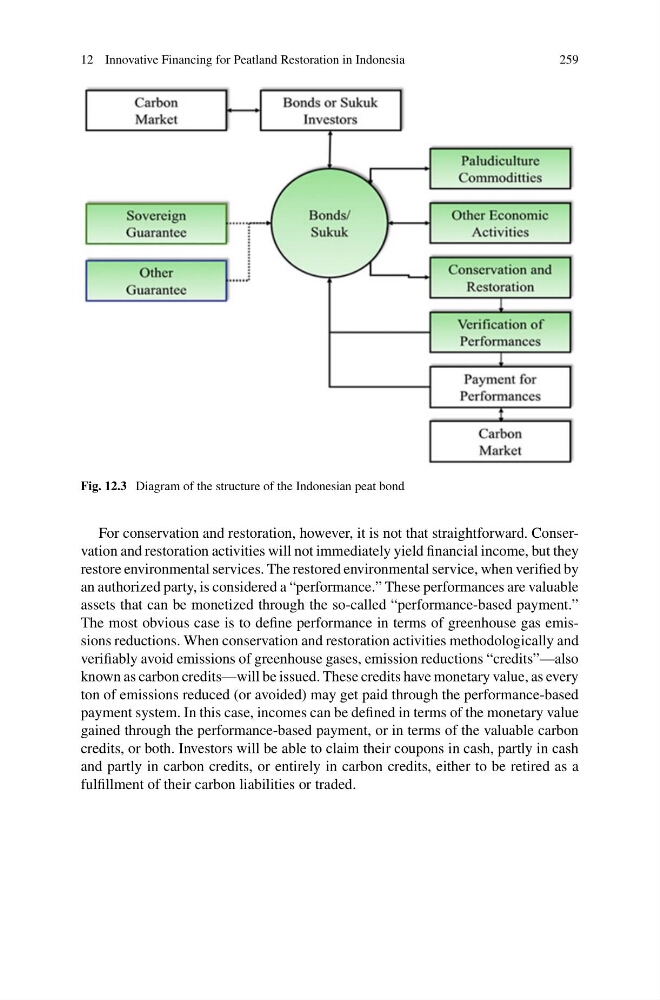
Fig. 12.3 Diagram of the structure of the Indonesian peat bond
For conservation and restoration, however, it is not that straightforward. Conservation and restoration activities will not immediately yield financial income, but they
restore environmental services. The restored environmental service, when verified by
an authorized party, is considered a “performance.” These performances are valuable
assets that can be monetized through the so-called “performance-based payment.”
The most obvious case is to define performance in terms of greenhouse gas emissions reductions. When conservation and restoration activities methodologically and
verifiably avoid emissions of greenhouse gases, emission reductions “credits”—also
known as carbon credits—will be issued. These credits have monetary value, as every
ton of emissions reduced (or avoided) may get paid through the performance-based
payment system. In this case, incomes can be defined in terms of the monetary value
gained through the performance-based payment, or in terms of the valuable carbon
credits, or both. Investors will be able to claim their coupons in cash, partly in cash
and partly in carbon credits, or entirely in carbon credits, either to be retired as a
fulfillment of their carbon liabilities or traded.
259
Fig. 12.3 Diagram of the structure of the Indonesian peat bond
For conservation and restoration, however, it is not that straightforward. Conservation and restoration activities will not immediately yield financial income, but they
restore environmental services. The restored environmental service, when verified by
an authorized party, is considered a “performance.” These performances are valuable
assets that can be monetized through the so-called “performance-based payment.”
The most obvious case is to define performance in terms of greenhouse gas emissions reductions. When conservation and restoration activities methodologically and
verifiably avoid emissions of greenhouse gases, emission reductions “credits”—also
known as carbon credits—will be issued. These credits have monetary value, as every
ton of emissions reduced (or avoided) may get paid through the performance-based
payment system. In this case, incomes can be defined in terms of the monetary value
gained through the performance-based payment, or in terms of the valuable carbon
credits, or both. Investors will be able to claim their coupons in cash, partly in cash
and partly in carbon credits, or entirely in carbon credits, either to be retired as a
fulfillment of their carbon liabilities or traded.