

differentiated port dues, providing onshore power supply (e.g. “cold ironing”),
switching to low-sulphur fuels and setting speed limits in ports. Ports are increasingly expected to align their performance with sustainability expectations, i.e. to
deliver optimum economic and social gains while causing minimum environmental
damage. In view of this challenge, ports and consequently the shipping sector need
to understand the interdependences between maritime, marine and urban activities
(e.g. port areas).
A systematic approach to aligning the expectations and needs of key stakeholders
into an environmental management system would enable the continuous identification of an individual port’s priorities while it introduces a functional organizational
structure that sets respective targets, implements measures, monitors impact, evaluates, reviews and takes corrective actions when and where necessary. In a phased
way, EIT Climate-KIC works with a consortium of high-ambition port authorities in
Valencia (Spain) and Piraeus (Greece) and Cyprus Ministry of Shipping to demonstrate how ambitious maritime hubs can be catalysts for reversing the fast-growing
emissions from international shipping and trade using systems innovation approach.
Deep Demonstrations funded by EIT Climate-KIC start with a demand-led
approach, working with organizations willing to take on the responsibility of acting
as “problem owners” – in Greece Piraeus Port Authority – committed to zero-net
emissions, resilient futures (EIT Climate-KIC 2020b). Deep Demonstrations
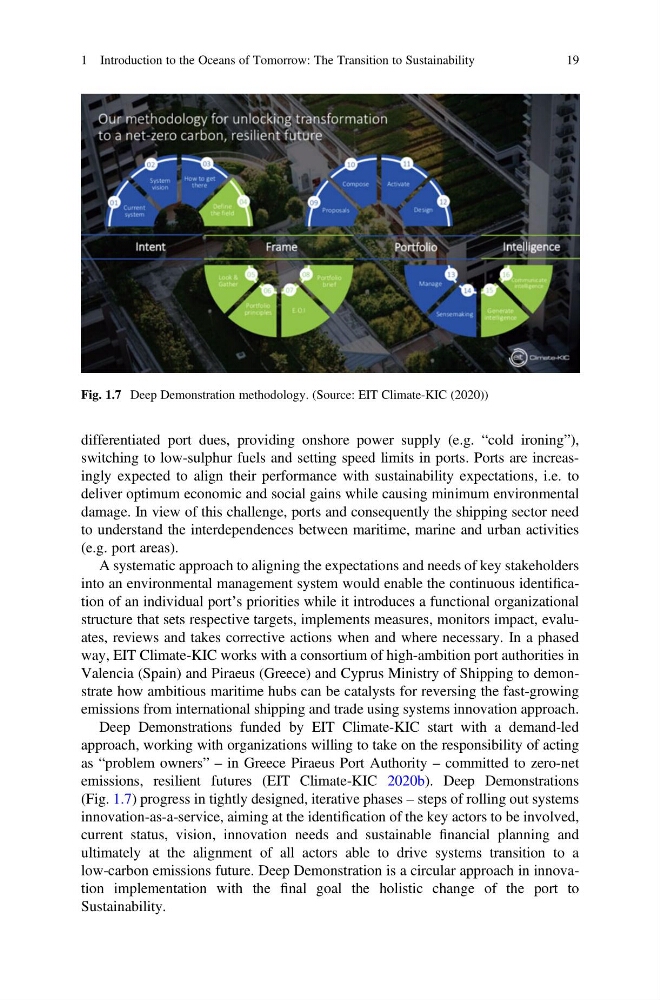
(Fig. 1.7) progress in tightly designed, iterative phases – steps of rolling out systems
innovation-as-a-service, aiming at the identification of the key actors to be involved,
current status, vision, innovation needs and sustainable financial planning and
ultimately at the alignment of all actors able to drive systems transition to a
low-carbon emissions future. Deep Demonstration is a circular approach in innovation implementation with the final goal the holistic change of the port to
Sustainability.
Fig. 1.7 Deep Demonstration methodology. (Source: EIT Climate-KIC (2020))
1 Introduction to the Oceans of Tomorrow: The Transition to Sustainability
19
switching to low-sulphur fuels and setting speed limits in ports. Ports are increasingly expected to align their performance with sustainability expectations, i.e. to
deliver optimum economic and social gains while causing minimum environmental
damage. In view of this challenge, ports and consequently the shipping sector need
to understand the interdependences between maritime, marine and urban activities
(e.g. port areas).
A systematic approach to aligning the expectations and needs of key stakeholders
into an environmental management system would enable the continuous identification of an individual port’s priorities while it introduces a functional organizational
structure that sets respective targets, implements measures, monitors impact, evaluates, reviews and takes corrective actions when and where necessary. In a phased
way, EIT Climate-KIC works with a consortium of high-ambition port authorities in
Valencia (Spain) and Piraeus (Greece) and Cyprus Ministry of Shipping to demonstrate how ambitious maritime hubs can be catalysts for reversing the fast-growing
emissions from international shipping and trade using systems innovation approach.
Deep Demonstrations funded by EIT Climate-KIC start with a demand-led
approach, working with organizations willing to take on the responsibility of acting
as “problem owners” – in Greece Piraeus Port Authority – committed to zero-net
emissions, resilient futures (EIT Climate-KIC 2020b). Deep Demonstrations
(Fig. 1.7) progress in tightly designed, iterative phases – steps of rolling out systems
innovation-as-a-service, aiming at the identification of the key actors to be involved,
current status, vision, innovation needs and sustainable financial planning and
ultimately at the alignment of all actors able to drive systems transition to a
low-carbon emissions future. Deep Demonstration is a circular approach in innovation implementation with the final goal the holistic change of the port to
Sustainability.
Fig. 1.7 Deep Demonstration methodology. (Source: EIT Climate-KIC (2020))
1 Introduction to the Oceans of Tomorrow: The Transition to Sustainability
19