

(iv) The active participation of partners in international conferences and publications in the proceedings of these conferences.
(v) The publication of guidelines, based upon the project findings, that present
performance and design of innovative multipurpose platforms.
(vi) The utilization of results of MERMAID which are expected to be used in
teaching assignments, lectures and exercises at European universities so that
the latest state of the art is given to European students.
(vii) The utilization of results in PhD studies in scientific publications and thesis.
Through these activities the MERMAID will accomplish to establish an efficacious collaboration and exchange of knowledge, information and experiences
between the scientific community, coastal and marine authorities, the industry and
potential end users and also to inform the public about the concept of multi-use
offshore platforms.
1.2.2 The H2OCEAN and TROPOS Project
In addition to MERMAID, the European Commission granted two other research
projects under the call Oceans of Tomorrow with regard to multi-use offshore
platforms, allocating a total budget of 20 million; namely the H2OCEAN (2012),
which aimed at the development of a wind-wave power open-sea platform equipped
for hydrogen generation with support for multiple users of energy, and the TROPOS
WP2: Assessment of policy management and planning strategies
Estuarine
Active Morphology
WP3: Renewable energy conversion
from wind and waves
WP8: Economical, technical and environmental feasibility of multi-use platforms
WP9: Project dissemination & outreach activities
WP7: Innovative Platform
plan and design
WP4: Systems for sustainable aquaculture and ecological based design
WP5: Sinteraction of platform with
hydrodynamic conditions and seabed
WP6: Transport and optimization of
installation, operation, and decom.
Open deep water
Sheltered deep water
WP1: Project management
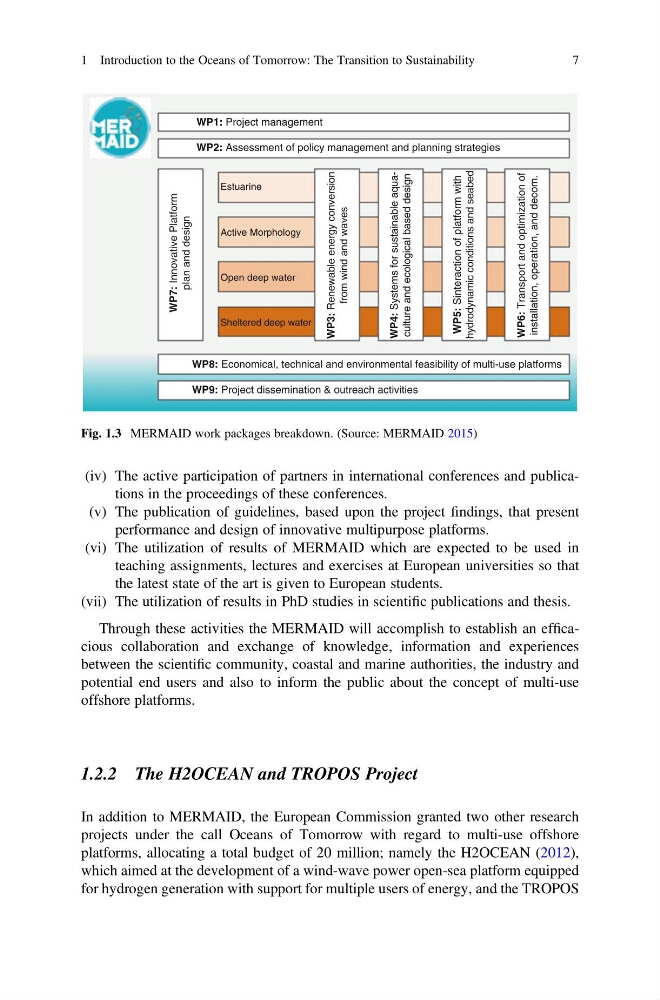
Fig. 1.3 MERMAID work packages breakdown. (Source: MERMAID 2015)
1 Introduction to the Oceans of Tomorrow: The Transition to Sustainability
7
(v) The publication of guidelines, based upon the project findings, that present
performance and design of innovative multipurpose platforms.
(vi) The utilization of results of MERMAID which are expected to be used in
teaching assignments, lectures and exercises at European universities so that
the latest state of the art is given to European students.
(vii) The utilization of results in PhD studies in scientific publications and thesis.
Through these activities the MERMAID will accomplish to establish an efficacious collaboration and exchange of knowledge, information and experiences
between the scientific community, coastal and marine authorities, the industry and
potential end users and also to inform the public about the concept of multi-use
offshore platforms.
1.2.2 The H2OCEAN and TROPOS Project
In addition to MERMAID, the European Commission granted two other research
projects under the call Oceans of Tomorrow with regard to multi-use offshore
platforms, allocating a total budget of 20 million; namely the H2OCEAN (2012),
which aimed at the development of a wind-wave power open-sea platform equipped
for hydrogen generation with support for multiple users of energy, and the TROPOS
WP2: Assessment of policy management and planning strategies
Estuarine
Active Morphology
WP3: Renewable energy conversion
from wind and waves
WP8: Economical, technical and environmental feasibility of multi-use platforms
WP9: Project dissemination & outreach activities
WP7: Innovative Platform
plan and design
WP4: Systems for sustainable aquaculture and ecological based design
WP5: Sinteraction of platform with
hydrodynamic conditions and seabed
WP6: Transport and optimization of
installation, operation, and decom.
Open deep water
Sheltered deep water
WP1: Project management
Fig. 1.3 MERMAID work packages breakdown. (Source: MERMAID 2015)
1 Introduction to the Oceans of Tomorrow: The Transition to Sustainability
7