

mandate to coordinate waste management and one for the natural environment and
waters, carrying responsibility for the CE. A national strategy for CE was adopted in
December 2018, after stakeholder consultation in an effort to accelerate circular
economy actions and unlock growth potential. The strategy is composed of the
following eight long-term goals (2030):
I. Integrating the criteria for ecological design/planning and analysis of product
life cycle, avoiding the introduction of hazardous substances into their production and facilitating reparability and extension of product life span. The
use of non-hazardous substances improves the quality of waste during the
process of production, thus also reducing environmental income.
II. Effective implementation of prioritisation of waste management, promoting
the prevention of creating waste and encouraging reusage and recycling.
III. Creating and promoting manuals for improving energy efficiency in procedures of production.
IV. Promotion of innovative forms of consumptions, such as the use of services
instead of purchasing products or the use of electronic computers and digital
platforms.
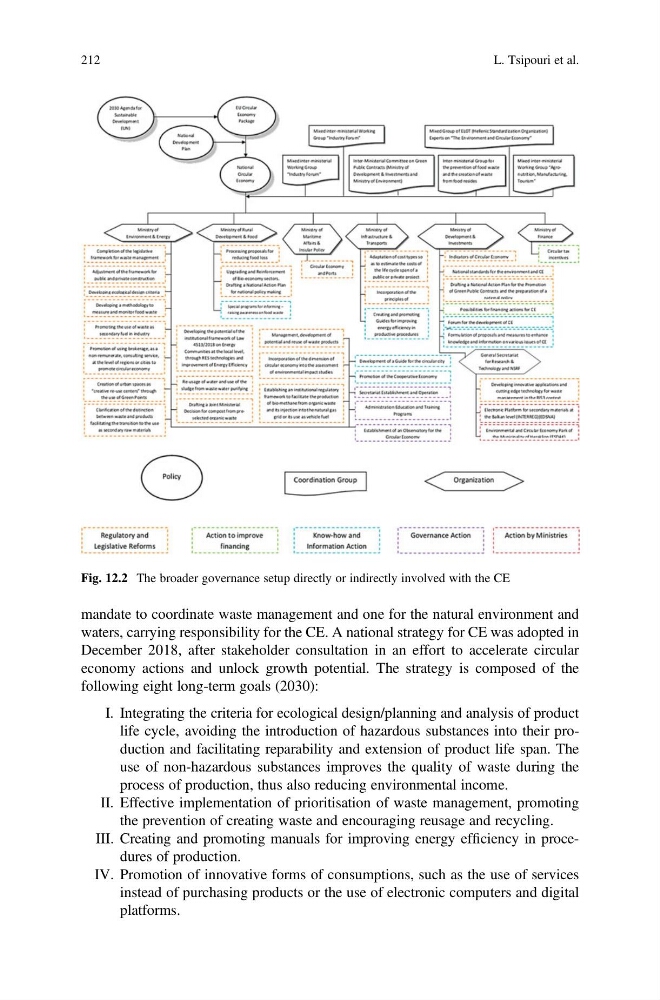
Fig. 12.2 The broader governance setup directly or indirectly involved with the CE
212
L. Tsipouri et al.
waters, carrying responsibility for the CE. A national strategy for CE was adopted in
December 2018, after stakeholder consultation in an effort to accelerate circular
economy actions and unlock growth potential. The strategy is composed of the
following eight long-term goals (2030):
I. Integrating the criteria for ecological design/planning and analysis of product
life cycle, avoiding the introduction of hazardous substances into their production and facilitating reparability and extension of product life span. The
use of non-hazardous substances improves the quality of waste during the
process of production, thus also reducing environmental income.
II. Effective implementation of prioritisation of waste management, promoting
the prevention of creating waste and encouraging reusage and recycling.
III. Creating and promoting manuals for improving energy efficiency in procedures of production.
IV. Promotion of innovative forms of consumptions, such as the use of services
instead of purchasing products or the use of electronic computers and digital
platforms.
Fig. 12.2 The broader governance setup directly or indirectly involved with the CE
212
L. Tsipouri et al.