

(LNG), liquified petroleum gas (LPG), hydrogen, methanol, ammonia, biofuels
(ethanol, biodiesel, etc.), and fuel cells. In their view, until new technologies
(batteries, synthetic fuels, synthetic biofuels, or others) that provide a “quantum
leap” become economically viable, current conventional liquid fuels have the
smallest GHG footprint.
Vessel size
HULL DESIGN
POWER & PROPULSION SYSTEM
ALTERNATIVE FUELS
ALTERNATIVE ENERGY SOURCES
OPERATION
Hull shape
LW materials
Air lubrication
Resistance reduction devices
Ballast water reduction
Hull coating
Hybrid power/propulsion
Power system/machinery
Propulsion efficiency devices
Waste heat recovery
On board power demand
Biofuels
LNG
Wind power
Fuel cells
Cold ironing
Solar power
Speed optimization
Capacity utilization
Voyage optimization
0
1 0
2 0
3 0
4 0
5 0
6 0
CO 2 emission reduction potential (%)
70
80
90
100
Other operational measures
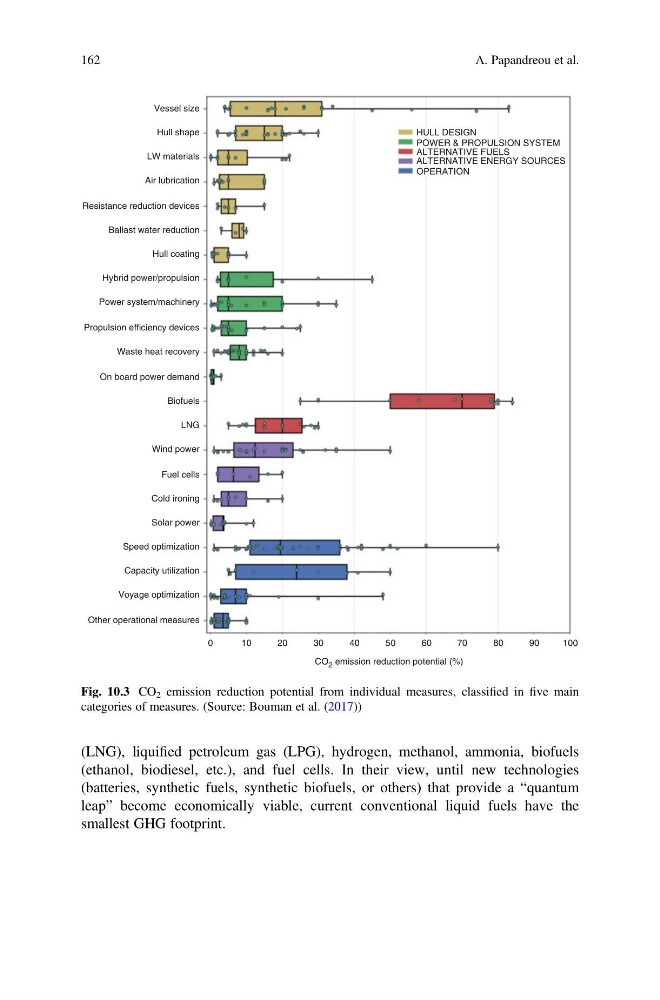
Fig. 10.3 CO 2 emission reduction potential from individual measures, classified in five main
categories of measures. (Source: Bouman et al. (2017))
162
A. Papandreou et al.
(ethanol, biodiesel, etc.), and fuel cells. In their view, until new technologies
(batteries, synthetic fuels, synthetic biofuels, or others) that provide a “quantum
leap” become economically viable, current conventional liquid fuels have the
smallest GHG footprint.
Vessel size
HULL DESIGN
POWER & PROPULSION SYSTEM
ALTERNATIVE FUELS
ALTERNATIVE ENERGY SOURCES
OPERATION
Hull shape
LW materials
Air lubrication
Resistance reduction devices
Ballast water reduction
Hull coating
Hybrid power/propulsion
Power system/machinery
Propulsion efficiency devices
Waste heat recovery
On board power demand
Biofuels
LNG
Wind power
Fuel cells
Cold ironing
Solar power
Speed optimization
Capacity utilization
Voyage optimization
0
1 0
2 0
3 0
4 0
5 0
6 0
CO 2 emission reduction potential (%)
70
80
90
100
Other operational measures
Fig. 10.3 CO 2 emission reduction potential from individual measures, classified in five main
categories of measures. (Source: Bouman et al. (2017))
162
A. Papandreou et al.