

10.2 Recent Economic Trends for Maritime Transport
Demand for maritime transport increases in tandem with gross domestic product and
industrial production. OECD (2017b) projects the tripling of total freight transport
demand over the 2015–2050 driven mostly by economic growth with maritime
transport accounting for 75% (up from 71% in 2015). The projected increase in
total freight transport is expected to translate into 120% increase in CO 2 emissions
(OECD 2017b).
The growing role of developing countries in trade and global economic growth is
also reflected in marine transport with 60% of world seaborne trade volumes
originating in developing countries, while 63% were delivered to their territories
(UNCTAD 2018). New patterns of geographical distribution of production and
consumption emerge altering cargo flows and directions with implications for
shipping networks, fuel consumption, transport costs, ship emissions, and climate
change (Benamara et al. 2019).
While there has been growth in deadweight tonnage of the commercial shipping
fleet in the last two years, this has followed a 5-year period of decelerating growth.
ECONOMIC
Sustainable
Maritime
Transport
ENVIRONMENTAL
SOCIAL
Safety, security, employment,
labour conditions, affordability,
aesthetic impacts, cultural
preservation, health, noise and
vibration
GHG emissions, pollution (air,
water and soil), resource
depletion, land-use and habitat
fragmentation, waste,
biodiversity loss, ecosystems
degradation, and climate
disruptions and impact
Market access, trade competitiveness,
freight transport costs, quality, reliability,
productivity, resilience, connectivity,
infrastructure investment, energy
efficiency, and, sustainable production
and consumption
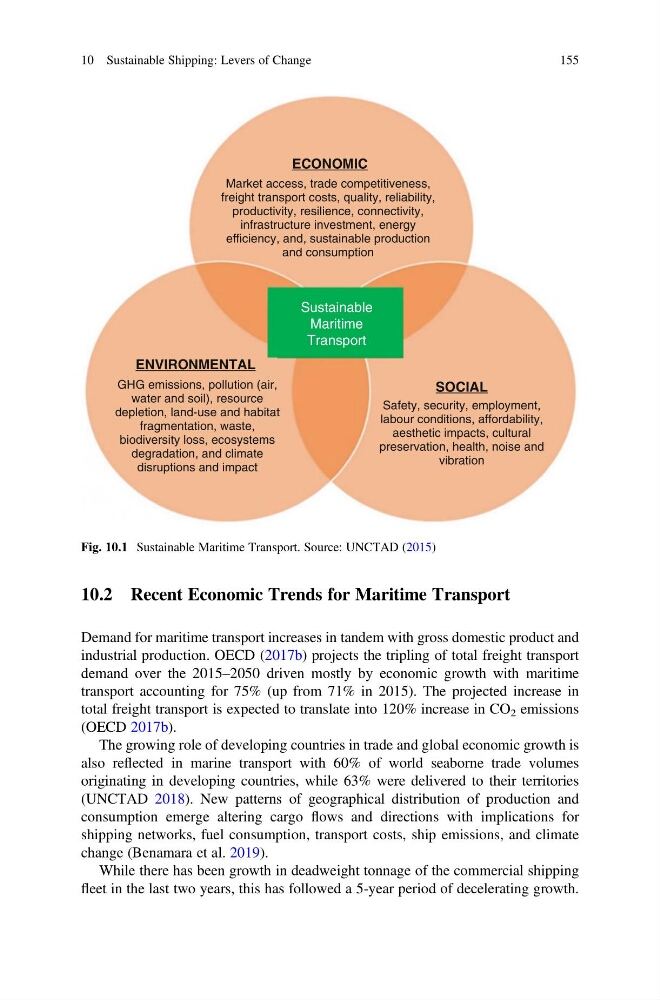
Fig. 10.1 Sustainable Maritime Transport. Source: UNCTAD (2015)
10 Sustainable Shipping: Levers of Change
155
Demand for maritime transport increases in tandem with gross domestic product and
industrial production. OECD (2017b) projects the tripling of total freight transport
demand over the 2015–2050 driven mostly by economic growth with maritime
transport accounting for 75% (up from 71% in 2015). The projected increase in
total freight transport is expected to translate into 120% increase in CO 2 emissions
(OECD 2017b).
The growing role of developing countries in trade and global economic growth is
also reflected in marine transport with 60% of world seaborne trade volumes
originating in developing countries, while 63% were delivered to their territories
(UNCTAD 2018). New patterns of geographical distribution of production and
consumption emerge altering cargo flows and directions with implications for
shipping networks, fuel consumption, transport costs, ship emissions, and climate
change (Benamara et al. 2019).
While there has been growth in deadweight tonnage of the commercial shipping
fleet in the last two years, this has followed a 5-year period of decelerating growth.
ECONOMIC
Sustainable
Maritime
Transport
ENVIRONMENTAL
SOCIAL
Safety, security, employment,
labour conditions, affordability,
aesthetic impacts, cultural
preservation, health, noise and
vibration
GHG emissions, pollution (air,
water and soil), resource
depletion, land-use and habitat
fragmentation, waste,
biodiversity loss, ecosystems
degradation, and climate
disruptions and impact
Market access, trade competitiveness,
freight transport costs, quality, reliability,
productivity, resilience, connectivity,
infrastructure investment, energy
efficiency, and, sustainable production
and consumption
Fig. 10.1 Sustainable Maritime Transport. Source: UNCTAD (2015)
10 Sustainable Shipping: Levers of Change
155