

The aim of providing information on the various research
approaches and philosophies is to elicit the strengths and
weaknesses of each, which leads the choice of a specific
paradigm for this research.
6.3.1 First Layer: Philosophy
The first basic factor of the research design is a philosophical
worldview in terms of the development of knowledge that
any researcher considers for the research study (Saunders
et al., 2009, 2016). There is no ‘one’ agreed philosophy.
‘Pluralism’ and ‘Unificationism’ were two important perspectives of the debate. The unificationists support uniting
the research problem under a strong research paradigm,
philosophy, and methodology (Saunders et al., 2016,
p. 126). Whereas pluralists support the diversity and believe
that diversity of the fields will improve business and management (Knudsen, 2002). In the research context, it is also
important to understand the ontology, epistemology, and
axiology. Ontology deals with the nature of realities we
encounter in our research. Epistemology deals with what
constitutes acceptable and valid knowledge that can be
communicated to another human. However, “the extent and
ways your values influence your research process” is the
axiological assumption, which includes the role of ethics and
values in the research process (Saunders et al., 2016, p. 128).
In natural sciences, the ‘objectivism’ theorizes that social
reality is external to the actors–that is, to the researcher and
others. In other words, ontologically, objectivism holds
realism; the experiences and interpretations of researchers
(social actors) do not influence the social world. Therefore,
an objectivist considers that there is one true reality seen
throughout an entire society, phenomena exist independently, and the reality is unchanged (Burell & Morgan,
1979). From an epistemological point of view, objectivists
try to find the truth about the social world, through measurable facts, which helps to draw law-like generalizations
about the world. From the axiological point of view, the
social actors (researchers) exist independent of each other;
objectivists try to keep their research free of their own
beliefs and values.
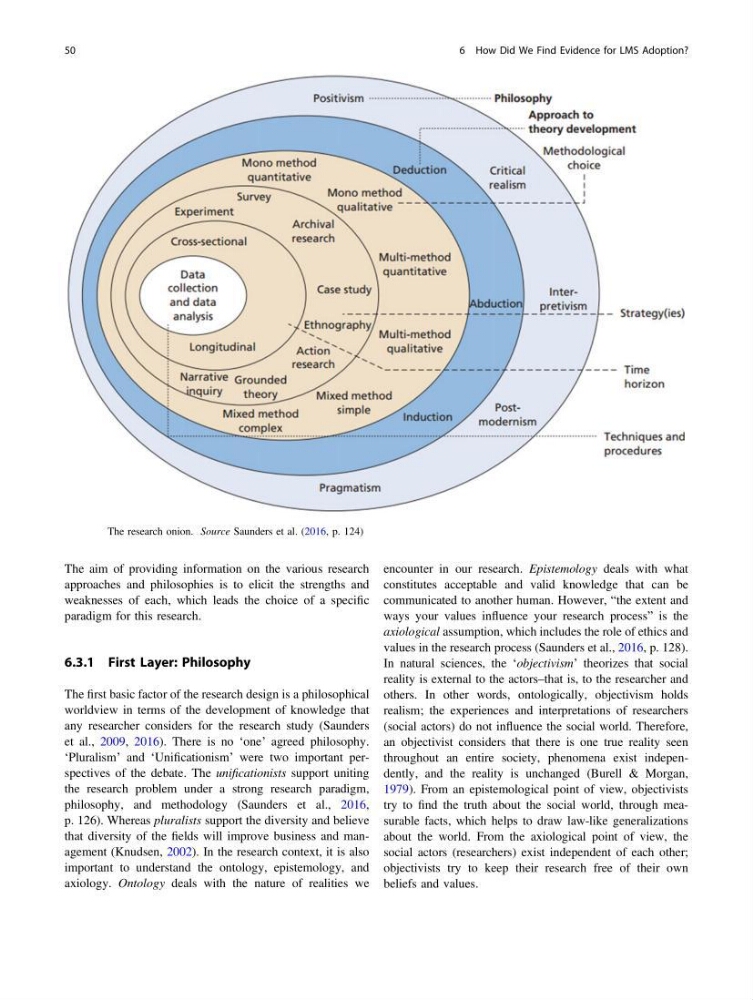
Fig. 6.1 The research onion. Source Saunders et al. (2016, p. 124)
50
6 How Did We Find Evidence for LMS Adoption?
approaches and philosophies is to elicit the strengths and
weaknesses of each, which leads the choice of a specific
paradigm for this research.
6.3.1 First Layer: Philosophy
The first basic factor of the research design is a philosophical
worldview in terms of the development of knowledge that
any researcher considers for the research study (Saunders
et al., 2009, 2016). There is no ‘one’ agreed philosophy.
‘Pluralism’ and ‘Unificationism’ were two important perspectives of the debate. The unificationists support uniting
the research problem under a strong research paradigm,
philosophy, and methodology (Saunders et al., 2016,
p. 126). Whereas pluralists support the diversity and believe
that diversity of the fields will improve business and management (Knudsen, 2002). In the research context, it is also
important to understand the ontology, epistemology, and
axiology. Ontology deals with the nature of realities we
encounter in our research. Epistemology deals with what
constitutes acceptable and valid knowledge that can be
communicated to another human. However, “the extent and
ways your values influence your research process” is the
axiological assumption, which includes the role of ethics and
values in the research process (Saunders et al., 2016, p. 128).
In natural sciences, the ‘objectivism’ theorizes that social
reality is external to the actors–that is, to the researcher and
others. In other words, ontologically, objectivism holds
realism; the experiences and interpretations of researchers
(social actors) do not influence the social world. Therefore,
an objectivist considers that there is one true reality seen
throughout an entire society, phenomena exist independently, and the reality is unchanged (Burell & Morgan,
1979). From an epistemological point of view, objectivists
try to find the truth about the social world, through measurable facts, which helps to draw law-like generalizations
about the world. From the axiological point of view, the
social actors (researchers) exist independent of each other;
objectivists try to keep their research free of their own
beliefs and values.
Fig. 6.1 The research onion. Source Saunders et al. (2016, p. 124)
50
6 How Did We Find Evidence for LMS Adoption?