

90 E. VADoVICS
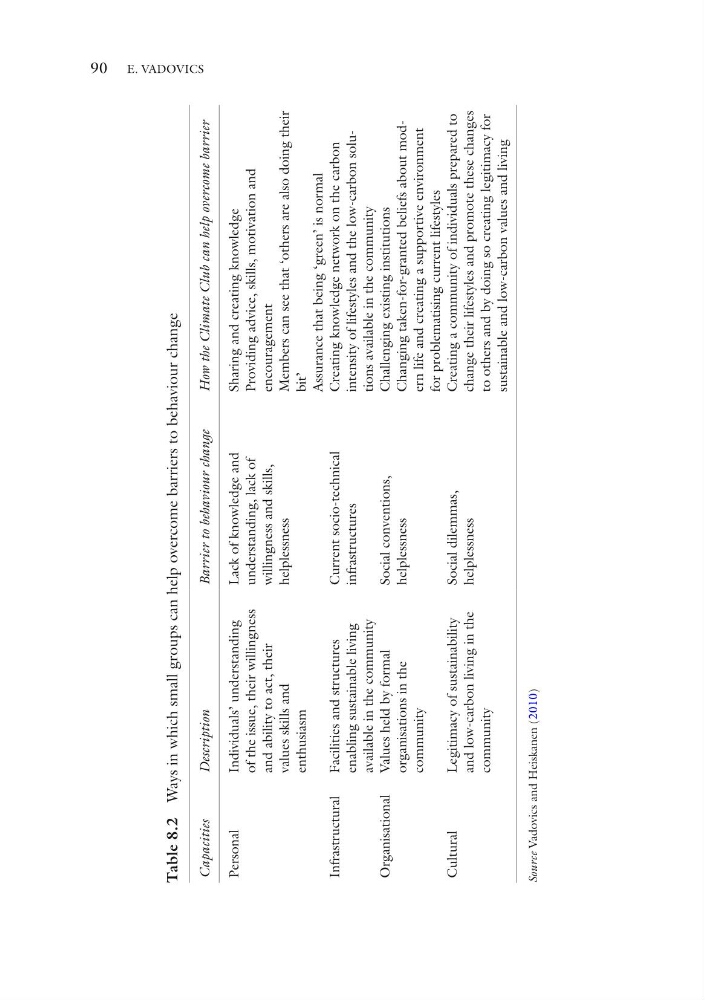
Table 8.2 Ways in which small groups can help overcome barriers to behaviour change
Source Vadovics and Heiskanen (2010)
Capacities
Description
Barrier to behaviour change
How the Climate Club can help overcome barrier
Personal
Individuals’ understanding
of the issue, their willingness
and ability to act, their
values skills and
enthusiasm
Lack of knowledge and
understanding, lack of
willingness and skills,
helplessness
Sharing and creating knowledge
Providing advice, skills, motivation and
encouragement
Members can see that ‘others are also doing their
bit’
Assurance that being ‘green’ is normal
Infrastructural
Facilities and structures
enabling sustainable living
available in the community
Current socio-technical
infrastructures
Creating knowledge network on the carbon
intensity of lifestyles and the low-carbon solutions available in the community
organisational
Values held by formal
organisations in the
community
Social conventions,
helplessness
Challenging existing institutions
Changing taken-for-granted beliefs about modern life and creating a supportive environment
for problematising current lifestyles
Cultural
Legitimacy of sustainability
and low-carbon living in the
community
Social dilemmas,
helplessness
Creating a community of individuals prepared to
change their lifestyles and promote these changes
to others and by doing so creating legitimacy for
sustainable and low-carbon values and living
Table 8.2 Ways in which small groups can help overcome barriers to behaviour change
Source Vadovics and Heiskanen (2010)
Capacities
Description
Barrier to behaviour change
How the Climate Club can help overcome barrier
Personal
Individuals’ understanding
of the issue, their willingness
and ability to act, their
values skills and
enthusiasm
Lack of knowledge and
understanding, lack of
willingness and skills,
helplessness
Sharing and creating knowledge
Providing advice, skills, motivation and
encouragement
Members can see that ‘others are also doing their
bit’
Assurance that being ‘green’ is normal
Infrastructural
Facilities and structures
enabling sustainable living
available in the community
Current socio-technical
infrastructures
Creating knowledge network on the carbon
intensity of lifestyles and the low-carbon solutions available in the community
organisational
Values held by formal
organisations in the
community
Social conventions,
helplessness
Challenging existing institutions
Changing taken-for-granted beliefs about modern life and creating a supportive environment
for problematising current lifestyles
Cultural
Legitimacy of sustainability
and low-carbon living in the
community
Social dilemmas,
helplessness
Creating a community of individuals prepared to
change their lifestyles and promote these changes
to others and by doing so creating legitimacy for
sustainable and low-carbon values and living