

2 FRAMING THE SUSTAINABLE ENERGY CHALLENGE …
15
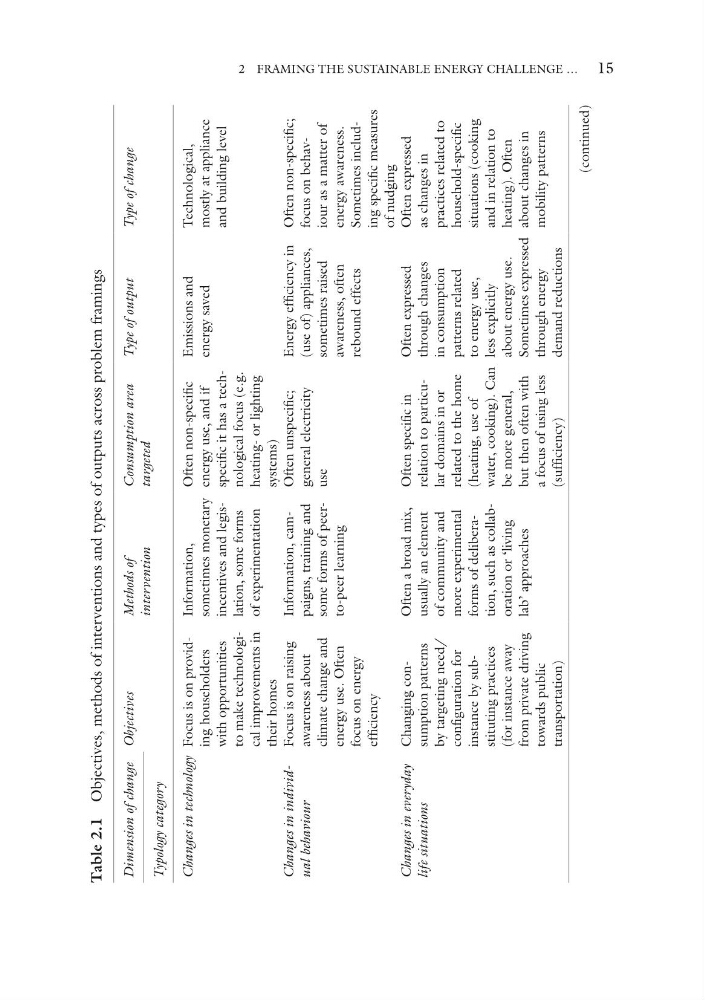
Table 2.1 objectives, methods of interventions and types of outputs across problem framings
Dimension of change Objectives
Methods of
intervention
Consumption area
targeted
Type of output
Type of change
Typology category
Changes in technology Focus is on providing householders
with opportunities
to make technological improvements in
their homes
Information,
sometimes monetary
incentives and legislation, some forms
of experimentation
often non-specific
energy use, and if
specific it has a technological focus (e.g.
heating- or lighting
systems)
Emissions and
energy saved
Technological,
mostly at appliance
and building level
Changes in individual behaviour
Focus is on raising
awareness about
climate change and
energy use. often
focus on energy
efficiency
Information, campaigns, training and
some forms of peerto-peer learning
often unspecific;
general electricity
use
Energy efficiency in
(use of) appliances,
sometimes raised
awareness, often
rebound effects
often non-specific;
focus on behaviour as a matter of
energy awareness.
Sometimes including specific measures
of nudging
Changes in everyday
life situations
Changing consumption patterns
by targeting need/
configuration for
instance by substituting practices
(for instance away
from private driving
towards public
transportation)
often a broad mix,
usually an element
of community and
more experimental
forms of deliberation, such as collaboration or ‘living
lab’ approaches
often specific in
relation to particular domains in or
related to the home
(heating, use of
water, cooking). Can
be more general,
but then often with
a focus of using less
(sufficiency)
often expressed
through changes
in consumption
patterns related
to energy use,
less explicitly
about energy use.
Sometimes expressed
through energy
demand reductions
often expressed
as changes in
practices related to
household-specific
situations (cooking
and in relation to
heating). often
about changes in
mobility patterns
(continued)
15
Table 2.1 objectives, methods of interventions and types of outputs across problem framings
Dimension of change Objectives
Methods of
intervention
Consumption area
targeted
Type of output
Type of change
Typology category
Changes in technology Focus is on providing householders
with opportunities
to make technological improvements in
their homes
Information,
sometimes monetary
incentives and legislation, some forms
of experimentation
often non-specific
energy use, and if
specific it has a technological focus (e.g.
heating- or lighting
systems)
Emissions and
energy saved
Technological,
mostly at appliance
and building level
Changes in individual behaviour
Focus is on raising
awareness about
climate change and
energy use. often
focus on energy
efficiency
Information, campaigns, training and
some forms of peerto-peer learning
often unspecific;
general electricity
use
Energy efficiency in
(use of) appliances,
sometimes raised
awareness, often
rebound effects
often non-specific;
focus on behaviour as a matter of
energy awareness.
Sometimes including specific measures
of nudging
Changes in everyday
life situations
Changing consumption patterns
by targeting need/
configuration for
instance by substituting practices
(for instance away
from private driving
towards public
transportation)
often a broad mix,
usually an element
of community and
more experimental
forms of deliberation, such as collaboration or ‘living
lab’ approaches
often specific in
relation to particular domains in or
related to the home
(heating, use of
water, cooking). Can
be more general,
but then often with
a focus of using less
(sufficiency)
often expressed
through changes
in consumption
patterns related
to energy use,
less explicitly
about energy use.
Sometimes expressed
through energy
demand reductions
often expressed
as changes in
practices related to
household-specific
situations (cooking
and in relation to
heating). often
about changes in
mobility patterns
(continued)