

124 M. HAJDINJAK AND D. ASENoVA
An additional reason why Bulgarian households rarely take measures
aimed at increasing energy efficiency is the widespread perception that
ordinary citizens cannot change anything, as the energy sector is completely controlled by the state and energy monopolies. Substantial legislative barriers and regulatory burdens further discourage Bulgarian
households from taking action—a case in point is the SECI ‘Solar Roof.’
Households from a 15-storey apartment building in Sofia jointly installed
120 solar panels on the roof of the building. While the purchasing and
installing the panels took two weeks, obtaining a considerable number of
different permits took almost two years.
Finally, there is the crucial issue of low incomes and widespread (risk
of) energy poverty. The main priority for most households is therefore
not cleaner energy and protection of environment, but lower energy
expenses. It is not surprising that a considerable number of initiatives aim
to reduce the energy costs of households, mostly through measures like
retrofitting and thermal insulation of multi-storey residential buildings
(typically through grants provided by the Bulgarian state and EU funds).
The strong focus on technological solutions and retrofitting is also a
consequence of the old age and poor state of repair of the building stock,
which mostly dates from the socialist period, when energy was cheap and
plentiful.
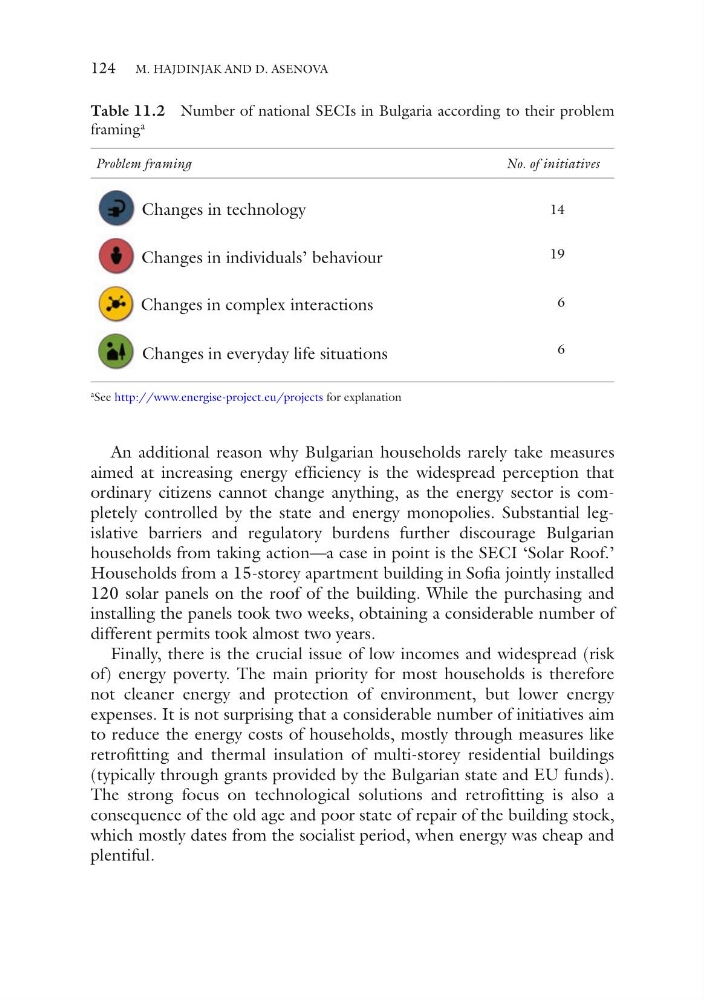
Table 11.2 Number of national SECIs in Bulgaria according to their problem
framing a
a See http://www.energise-project.eu/projects for explanation
Problem framing
No. of initiatives
Changes in technology
14
Changes in individuals’ behaviour
19
Changes in complex interactions
6
Changes in everyday life situations
6
An additional reason why Bulgarian households rarely take measures
aimed at increasing energy efficiency is the widespread perception that
ordinary citizens cannot change anything, as the energy sector is completely controlled by the state and energy monopolies. Substantial legislative barriers and regulatory burdens further discourage Bulgarian
households from taking action—a case in point is the SECI ‘Solar Roof.’
Households from a 15-storey apartment building in Sofia jointly installed
120 solar panels on the roof of the building. While the purchasing and
installing the panels took two weeks, obtaining a considerable number of
different permits took almost two years.
Finally, there is the crucial issue of low incomes and widespread (risk
of) energy poverty. The main priority for most households is therefore
not cleaner energy and protection of environment, but lower energy
expenses. It is not surprising that a considerable number of initiatives aim
to reduce the energy costs of households, mostly through measures like
retrofitting and thermal insulation of multi-storey residential buildings
(typically through grants provided by the Bulgarian state and EU funds).
The strong focus on technological solutions and retrofitting is also a
consequence of the old age and poor state of repair of the building stock,
which mostly dates from the socialist period, when energy was cheap and
plentiful.
Table 11.2 Number of national SECIs in Bulgaria according to their problem
framing a
a See http://www.energise-project.eu/projects for explanation
Problem framing
No. of initiatives
Changes in technology
14
Changes in individuals’ behaviour
19
Changes in complex interactions
6
Changes in everyday life situations
6