

• Motive: The motive of preserving service
security subsequently led to Congress vetoing
cost-cutting measures, such as ending Saturday deliveries and closing the least busy post
offices, despite the obvious cost savings.
Workers’ benefits have also been given high
priority over profitability, as evidenced by the
$51.8 billion USPS has had to spend to prefund pensions for its future workforce. The
price of postage is also regulated and is lower
than all the major European postal companies, placing further pressure on USPS’s
margins.
• Strategy response: Combined, the above
factors have resulted in USPS not adopting a
clear strategic response to structurally lower
letter volumes. USPS has remained in its core
business areas, with falling letter volumes and
strong competition in parcels continuing to
place pressure on margins. Basic cost-cutting
measures, such as reducing headcount, have
been implemented, but have not been sufficient to offset the declining value in core
businesses. However, supply security has
been maintained and the price of postage
remains low.
• Organisational
structure:
USPS
has
remained a government-controlled and regulated monopoly with a top-down hierarchical
structure. This multi-layered structure provides strong oversight of operations and
drives uniform operational improvement,
creating high levels of efficiency (USPS has
half the workers per unit of mail compared
with Deutsche Post), albeit within a declining
market (Fig. 11).
(2) Royal Mail
The UK government’s motive in 2011 was
returning Royal Mail, which was balance sheet
insolvent in 2011, to profitability. This involved
the separation and privatisation of the postal
service from the postal infrastructure of Royal
Mail, which allowed for cost-cutting, delayering
and a customer-orientated service culture that
returned the postal service to profitability.
Growth beyond its core areas has been limited by
capital constraints, although Royal Mail has been
exploring other markets.
• Motive: The UK government was focused on
returning Royal Mail to profitability after four
years of pre-tax losses from 2008–11 that
made it a growing liability for the government. Royal Mail has had to contend with
declining letter volumes since 2004, the loss
of its monopoly in letters in 2006 and, more
recently, intense competition in parcels from
other European postal operators.
• Context: Four consecutive years of losses
created internal capital constraints that were
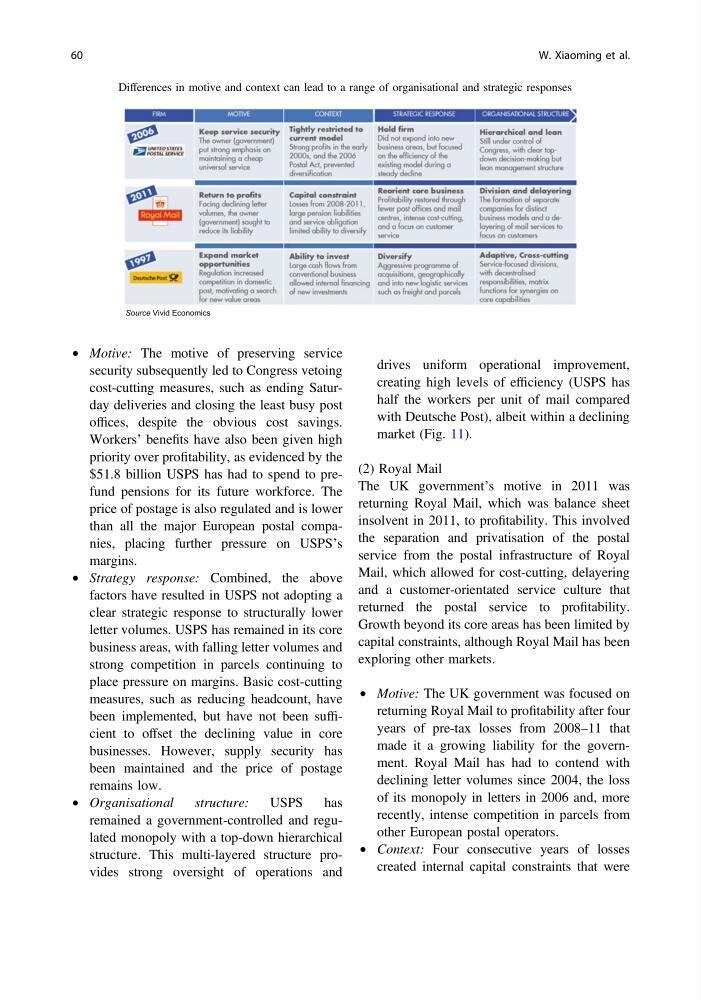
Table 1 Differences in motive and context can lead to a range of organisational and strategic responses
Source Vivid Economics
60
W. Xiaoming et al.
security subsequently led to Congress vetoing
cost-cutting measures, such as ending Saturday deliveries and closing the least busy post
offices, despite the obvious cost savings.
Workers’ benefits have also been given high
priority over profitability, as evidenced by the
$51.8 billion USPS has had to spend to prefund pensions for its future workforce. The
price of postage is also regulated and is lower
than all the major European postal companies, placing further pressure on USPS’s
margins.
• Strategy response: Combined, the above
factors have resulted in USPS not adopting a
clear strategic response to structurally lower
letter volumes. USPS has remained in its core
business areas, with falling letter volumes and
strong competition in parcels continuing to
place pressure on margins. Basic cost-cutting
measures, such as reducing headcount, have
been implemented, but have not been sufficient to offset the declining value in core
businesses. However, supply security has
been maintained and the price of postage
remains low.
• Organisational
structure:
USPS
has
remained a government-controlled and regulated monopoly with a top-down hierarchical
structure. This multi-layered structure provides strong oversight of operations and
drives uniform operational improvement,
creating high levels of efficiency (USPS has
half the workers per unit of mail compared
with Deutsche Post), albeit within a declining
market (Fig. 11).
(2) Royal Mail
The UK government’s motive in 2011 was
returning Royal Mail, which was balance sheet
insolvent in 2011, to profitability. This involved
the separation and privatisation of the postal
service from the postal infrastructure of Royal
Mail, which allowed for cost-cutting, delayering
and a customer-orientated service culture that
returned the postal service to profitability.
Growth beyond its core areas has been limited by
capital constraints, although Royal Mail has been
exploring other markets.
• Motive: The UK government was focused on
returning Royal Mail to profitability after four
years of pre-tax losses from 2008–11 that
made it a growing liability for the government. Royal Mail has had to contend with
declining letter volumes since 2004, the loss
of its monopoly in letters in 2006 and, more
recently, intense competition in parcels from
other European postal operators.
• Context: Four consecutive years of losses
created internal capital constraints that were
Table 1 Differences in motive and context can lead to a range of organisational and strategic responses
Source Vivid Economics
60
W. Xiaoming et al.