

As clean energy FDI expands along the BRI
and across developing countries, the environmental, social and governance (ESG) risk
frameworks that underpin fossil fuel investments
are equally relevant. ESG standards that originated in multilateral banks as minimum investment standards—such as the International
Finance Corporation’s (IFC) Environmental and
Social Performance Standards—are increasingly
referenced in capital markets. The Equator Principles, for example, apply to all commercial bank
lending and require investments to meet IFC
performance standards. These de-risking tools
are equally applicable to low-carbon investments, because they are scaled and as
public-private partnerships increase in importance. They are also crucial to the development
of the Chinese-led Asian Infrastructure Investment Bank, which has committed to meet or
exceed the multilateral investment standards of
its peers.
Box 18: Candidate countries for
investment and technology packages
Many developing countries, some of which
are in the BRI, could greatly benefit from
clean energy technology and investment
packages. The Climate Vulnerable Forum
(CVF) represents those countries most at
risk from the impacts of climate change,
and therefore with most to gain from such
packages. All 48 members of the CVF
have pledged to ensure 100% of energy
production is from renewable sources “as
rapidly as possible”, and by 2030–50 at the
latest.
The CVF applied more pressure at the
UNFCCC Bonn Climate Change Conference in May 2017. The forum’s formal
statement by Ethiopia, read as follows:
In accordance with… the Paris
Agreement, we are of course calling
for a rapid scaling up of predictable,
adequate and sustainable financing
that should be balanced and readily
accessible, together [with] capacity
and technological assistance from
developed countries to address climate risks.
Of the 48 members, 13 are BRI countries, expanding to 27 with the inclusion of
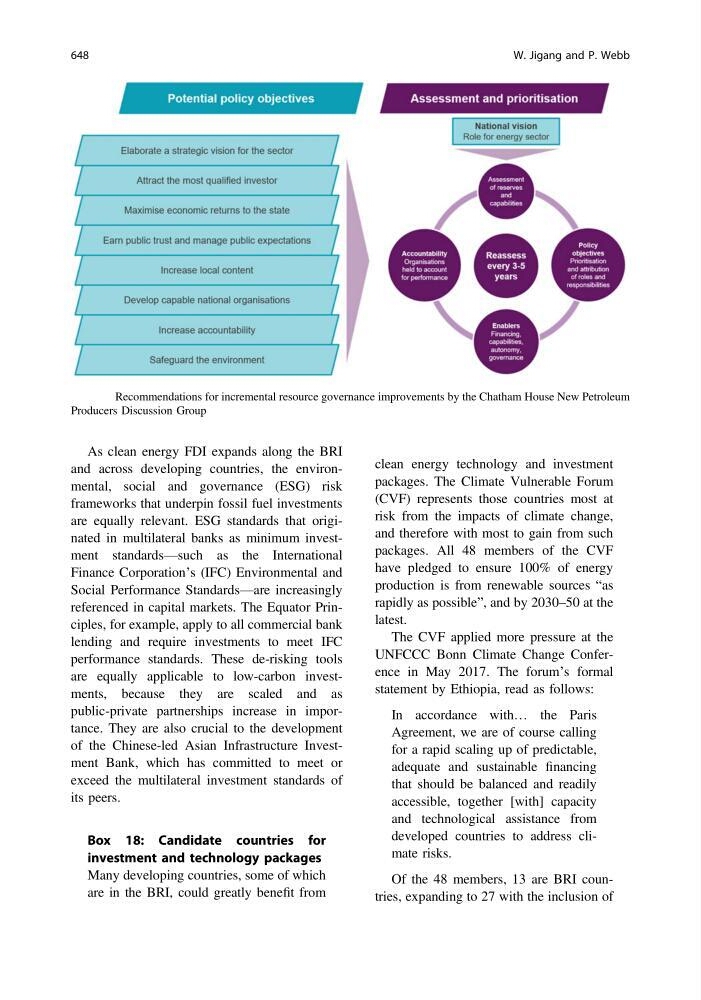
Fig. 42 Recommendations for incremental resource governance improvements by the Chatham House New Petroleum
Producers Discussion Group
648
W. Jigang and P. Webb