

The International Energy Forum, as the
neutral facilitator of open dialogue on
energy with key global oil and gas actors,
helps ensure energy security and
transparency.
The International Monetary Fund’s
fundamental mission is to help ensure stability in the international system. It does so
in three ways: keeping track of the global
economy and the economies of member
countries; lending to countries with balance of payments difficulties; and giving
practical help to members.
The International Partnership for
Energy Efficiency Cooperation seeks to
accelerate the adoption of energy efficiency
policies and practices. It assists member
countries to identify and share proven,
innovative practices and data on energy
efficiency to better inform decision makers.
This also serves to foster bilateral and
multilateral initiatives between countries.
The International Renewable Energy
Agency is an intergovernmental organisation
that supports countries in their transition to a
sustainable energy future. It serves as the
principal platform for international cooperation, a centre of excellence, and a repository of policy, technology, resource and
financial knowledge on renewable energy.
The United Nations Framework Convention on Climate Change (UNFCCC)
provides the foundation for multilateral
action to combat climate change and its
impacts on humanity and ecosystems.
The World Bank has set two ambitious
goals to push extreme poverty to no more
than 3% by 2030, and to promote shared
prosperity and greater equity in the developing world.
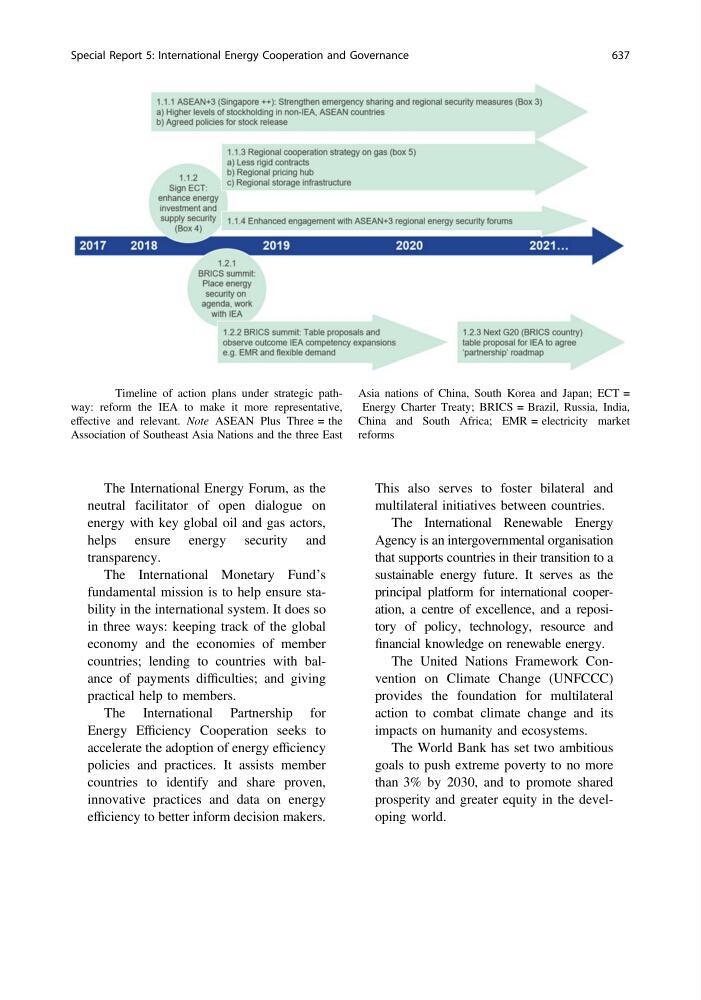
Fig. 33 Timeline of action plans under strategic pathway: reform the IEA to make it more representative,
effective and relevant. Note ASEAN Plus Three = the
Association of Southeast Asia Nations and the three East
Asia nations of China, South Korea and Japan; ECT =
Energy Charter Treaty; BRICS = Brazil, Russia, India,
China and South Africa; EMR = electricity market
reforms
Special Report 5: International Energy Cooperation and Governance
637