

Attention is also shifting to the role of development finance institutions and multilateral
development banks, including the Asian Infrastructure Investment Bank (AIIB) and New
Development Bank, as capital providers.
Although most institutions are doing something to
mainstream climate change into their portfolios
and operations, progress has been patchy and
uneven. There is a lack of common frameworks to
evaluate the social, economic and sustainability of
projects across multilateral development banks.
One of the clearest governance challenges
revolves around financial flows to coal mining
and coal-fired power generation. The implementation of multilateral guarantees continues to
come under scrutiny from civil society; the
International Finance Corporation, for instance,
has allegedly financed 41 new coal projects since
the World Bank commitment in 2013. The AIIB
has stated that it would not invest in coal but is at
risk of relenting on this commitment following
heavy lobbying by coal exporting countries such
as Australia. Meanwhile Japan, China and South
Korea account for most of the G20’s $24 billion
in export-import bank and development finance
packages that support coal.
The IEA 2°C pathway will also require the
stranding of high-carbon assets, which cannot be
operated fully over their lifetime to respect the
remaining carbon budget. Although there is much
bilateral cooperation on energy infrastructure
investment, there is a lack of rules or standards for
aligning investments with low-carbon priorities.
There may be opportunities for the G20 to address
this in the first instance, building both on its global
infrastructure initiative and the TCFD.
Hydrocarbon investments commonly face
significant political risks, by nature of the countries targeted and the complexities of resource
curse dynamics and the long timescales over
which assets operate and recoup costs. Cooperative approaches have emerged to help manage
these risks, through pooling, dispute resolution
and norm setting, in particular the World Bank’s
Multilateral Investment Guarantee Agency and
the Energy Charter Treaty.
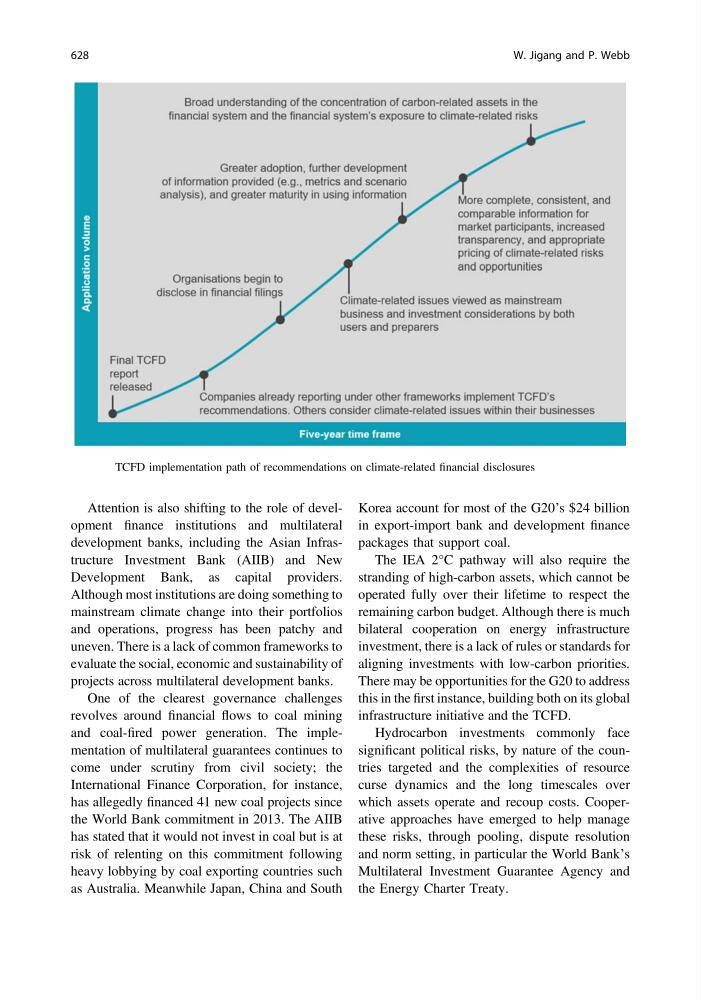
Fig. 31 TCFD implementation path of recommendations on climate-related financial disclosures
628
W. Jigang and P. Webb