

5 Five Pillars of International
Cooperation on Energy
There are five pillars of global governance and
international cooperation within the energy sector: trade, investment, innovation, security of
supply, and cross-border externality. These pillars are critical when analysing the effectiveness
of agreements and actions taken at the international level.
5.1 Trade
Despite the nascent transformation of the energy
sector, energy trade remains dominated by fossil
fuels, with Chinese demand a key market driver.
In the past 15 years, traded volumes of oil have
increased 14%, coal has more than doubled, and
natural gas and liquefied natural gas (LNG) have
increased by almost 60%.
Reflecting the broad trend of declining
demand among OECD countries and strong
growth among emerging economies, China
became the world’s second largest crude oil
importer in 2009 and is set to surpass the USA to
become the largest. India is now the third biggest
importer, although with imports 42% lower than
China. In the context of the US tight oil revolution, the centre of gravity of international oil
trade has shifted east, with non-IEA consumer
countries accounting for a growing share of
demand, and non-OPEC countries providing a
growing share of supply. Net importing countries, including China, still view high dependency on oil from the Gulf states of the Middle
East as an energy security vulnerability.
In 2016, global trade in LNG increased at its
fastest rate in five years as new facilities in the
USA and Australia began to challenge Qatar’s
market dominance. Between 2009 and 2015
imports of LNG grew 30.5% globally, with the
Asia-Pacific region and China representing
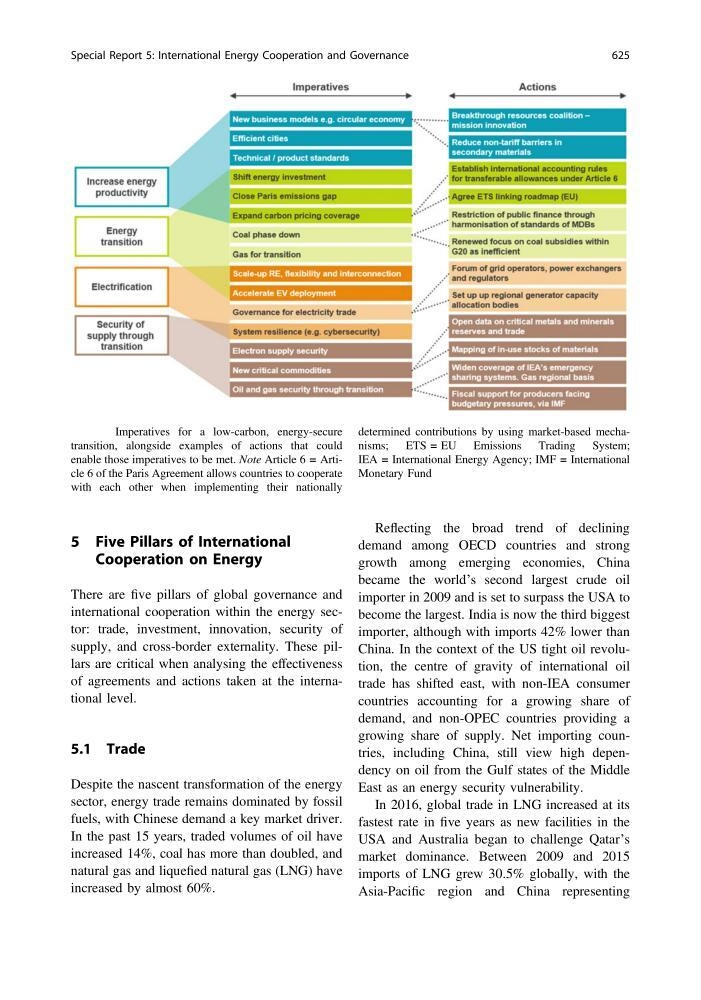
Fig. 30 Imperatives for a low-carbon, energy-secure
transition, alongside examples of actions that could
enable those imperatives to be met. Note Article 6 = Article 6 of the Paris Agreement allows countries to cooperate
with each other when implementing their nationally
determined contributions by using market-based mechanisms; ETS = EU Emissions Trading System;
IEA = International Energy Agency; IMF = International
Monetary Fund
Special Report 5: International Energy Cooperation and Governance
625