

mechanisms that in theory bring binding obligations in key areas (such as the commitment to
hold emergency oil stocks equivalent to at least
90 days of net oil imports). In contrast, the
International Energy Forum is a forum for
informal dialogue between the major petroleum
producer and consumer countries. It has led to
formal cooperation in one major area—the Joint
Organisations Data Initiative.
The G20 has agreed to action in multiple areas
of energy policy since it took on a more important role in international governance following
the financial crisis, partly in response to concerns
about high and volatile energy prices. Almost
every G20 presidency country has introduced or
expanded the remit in the energy agenda, so that
it now has initiatives ranging from fossil fuel
subsidies, green finance and access to energy to
encouraging data sharing. Its success in moving
these agendas forward has been mixed, though it
remains the primary forum for discussing subsidies (Fig 10).
In 2014 the G20 adopted the G20 Principles
of Energy Collaboration. Of the nine principles,
the second calls for international energy institutions to become more representative and inclusive of emerging and developing economies.
Regular meetings are now held by the G20
energy ministers, but as the G20 is a forum and
not an agency, effective global energy governance is likely to need support institutions to
engage with this working group. Another area of
action within the G20 is the consolidation of the
G20’s Energy Sustainability Working Group role
(Figs. 11 and 12).
4.2 The Challenge of Phasing Down
Coal
There is wide agreement that phasing down coal
within the global energy mix is critical to
achieving the Paris Agreement, as well as safeguarding public health and the environment.
Analysis from University College London, UK,
for example, suggests that more than 80% of
global coal reserves must remain unburned in
order to retain a 50% chance of keeping the climate within 2°C of warming, even with the
application of carbon capture and storage.
Norms have emerged in multilaterals such as
the World Bank and across governments
including the UK, which have agreed not to
finance coal-fired power except in the most
extreme circumstances. At the same time, a
growing fossil fuel divestment movement has
emerged in OECD countries, helping to push
institutional investors and others away from coal
and the most polluting fossil fuels; this now
includes more than 700 institutions and around
$5.46 trillion assets under management.
Real-world trends are underpinning these
emerging norms around the future of coal. First is
the decline of the coal industry: in the USA, coal
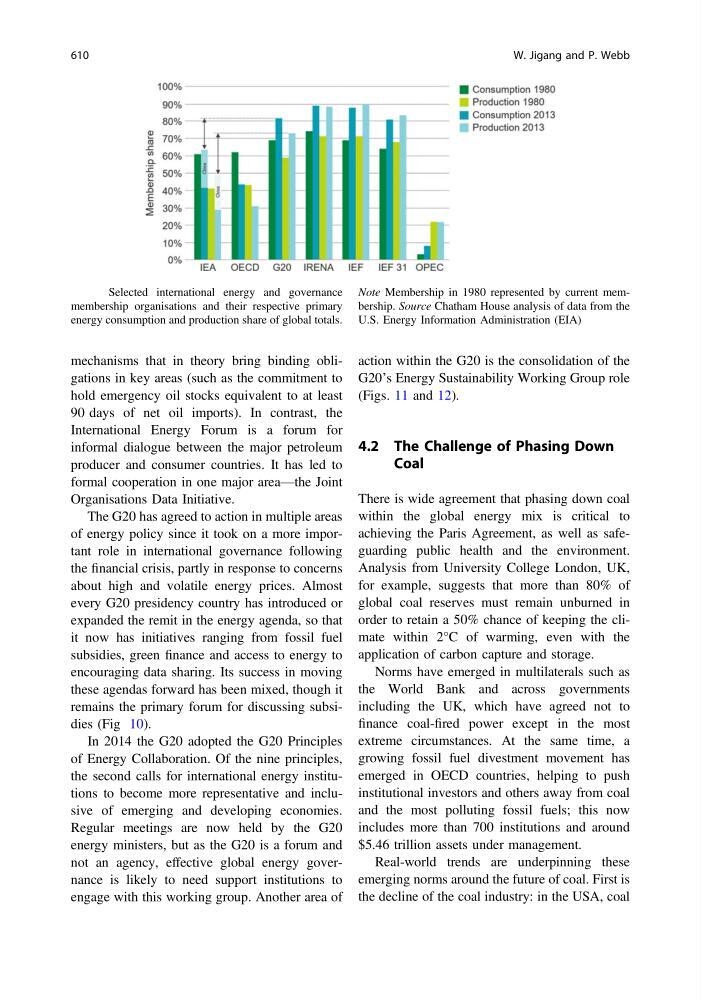
Fig. 9 Selected international energy and governance
membership organisations and their respective primary
energy consumption and production share of global totals.
Note Membership in 1980 represented by current membership. Source Chatham House analysis of data from the
U.S. Energy Information Administration (EIA)
610
W. Jigang and P. Webb