

and governance is possible, multilaterals tend to
be designed to facilitate common rules and
mechanisms for the efficient functioning of markets. If China continues its policy of moving from
quantity- to quality-led growth, and liberalising
markets domestically, then enhanced international
cooperation and engagement with multilaterals in
global economic governance is a natural course of
action that will benefit all countries.
Taking this context as its starting point, this
report sets out four priority areas for cooperation
on global energy governance:
(1) making global energy governance fit for the
future explores the potential governance and
cooperative actions China could take with its
international G20 partners to reform the IEA
and make the G20 the hub of global energy
governance;
(2) investment
regimes
for
low-carbon,
energy-secure transition explore investment
and market mechanisms that China could
expedite, enabling optimal allocation of
capital across an increasingly complex set of
energy sector objectives, while maintaining
traditional energy security;
(3) security of supply of metals and minerals for
future energy systems explores supply and
demand measures that China could take to
avoid supply shortages and trade disputes,
while minimising the need for additional
extraction capacity—both of which could
prevent future limitations to clean energy
deployment; and
(4) the shift from molecules to electrons
explores a regional supply-side strategy that
if adopted by China could accelerate electricity market harmonisation and trade,
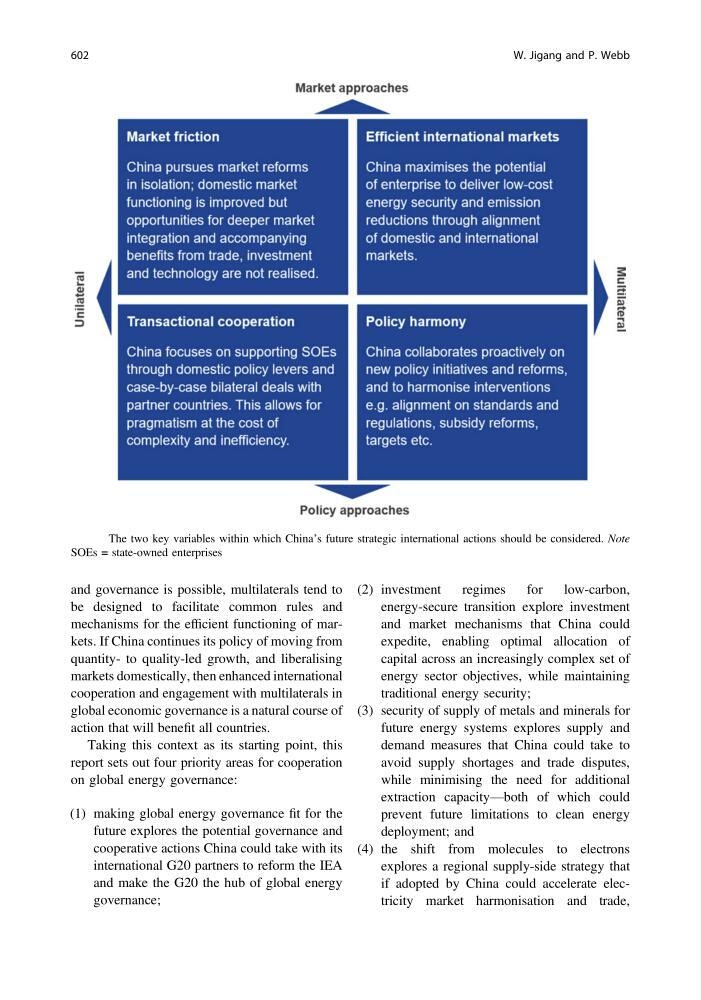
Fig. 2 The two key variables within which China’s future strategic international actions should be considered. Note
SOEs = state-owned enterprises
602
W. Jigang and P. Webb