

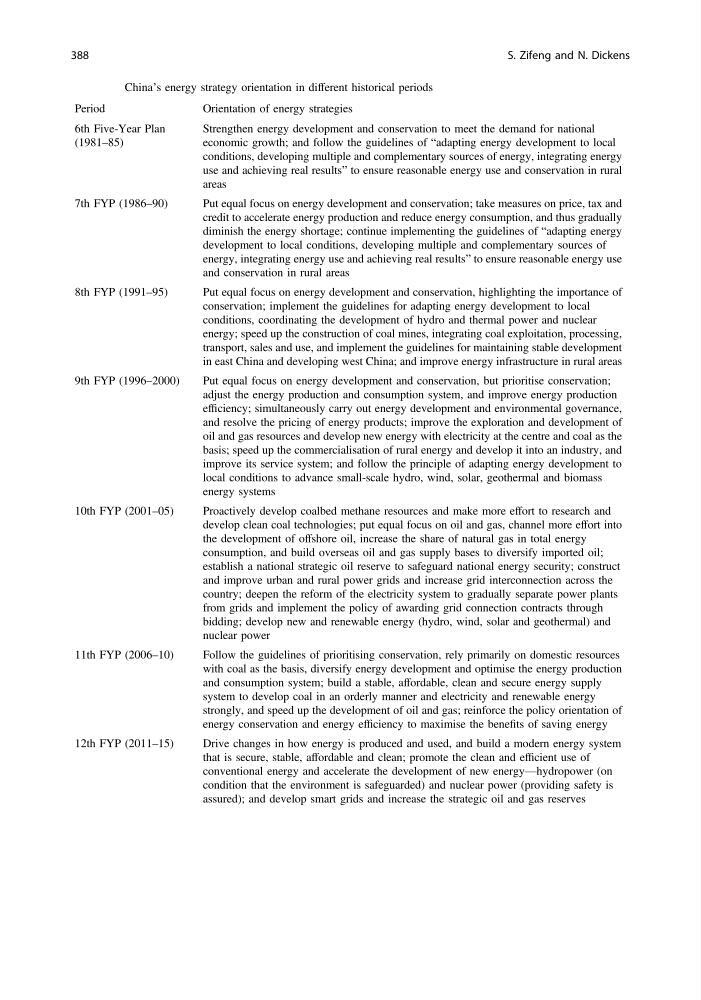
Table 17 China’s energy strategy orientation in different historical periods
Period
Orientation of energy strategies
6th Five-Year Plan
(1981–85)
Strengthen energy development and conservation to meet the demand for national
economic growth; and follow the guidelines of “adapting energy development to local
conditions, developing multiple and complementary sources of energy, integrating energy
use and achieving real results” to ensure reasonable energy use and conservation in rural
areas
7th FYP (1986–90)
Put equal focus on energy development and conservation; take measures on price, tax and
credit to accelerate energy production and reduce energy consumption, and thus gradually
diminish the energy shortage; continue implementing the guidelines of “adapting energy
development to local conditions, developing multiple and complementary sources of
energy, integrating energy use and achieving real results” to ensure reasonable energy use
and conservation in rural areas
8th FYP (1991–95)
Put equal focus on energy development and conservation, highlighting the importance of
conservation; implement the guidelines for adapting energy development to local
conditions, coordinating the development of hydro and thermal power and nuclear
energy; speed up the construction of coal mines, integrating coal exploitation, processing,
transport, sales and use, and implement the guidelines for maintaining stable development
in east China and developing west China; and improve energy infrastructure in rural areas
9th FYP (1996–2000)
Put equal focus on energy development and conservation, but prioritise conservation;
adjust the energy production and consumption system, and improve energy production
efficiency; simultaneously carry out energy development and environmental governance,
and resolve the pricing of energy products; improve the exploration and development of
oil and gas resources and develop new energy with electricity at the centre and coal as the
basis; speed up the commercialisation of rural energy and develop it into an industry, and
improve its service system; and follow the principle of adapting energy development to
local conditions to advance small-scale hydro, wind, solar, geothermal and biomass
energy systems
10th FYP (2001–05)
Proactively develop coalbed methane resources and make more effort to research and
develop clean coal technologies; put equal focus on oil and gas, channel more effort into
the development of offshore oil, increase the share of natural gas in total energy
consumption, and build overseas oil and gas supply bases to diversify imported oil;
establish a national strategic oil reserve to safeguard national energy security; construct
and improve urban and rural power grids and increase grid interconnection across the
country; deepen the reform of the electricity system to gradually separate power plants
from grids and implement the policy of awarding grid connection contracts through
bidding; develop new and renewable energy (hydro, wind, solar and geothermal) and
nuclear power
11th FYP (2006–10)
Follow the guidelines of prioritising conservation, rely primarily on domestic resources
with coal as the basis, diversify energy development and optimise the energy production
and consumption system; build a stable, affordable, clean and secure energy supply
system to develop coal in an orderly manner and electricity and renewable energy
strongly, and speed up the development of oil and gas; reinforce the policy orientation of
energy conservation and energy efficiency to maximise the benefits of saving energy
12th FYP (2011–15)
Drive changes in how energy is produced and used, and build a modern energy system
that is secure, stable, affordable and clean; promote the clean and efficient use of
conventional energy and accelerate the development of new energy—hydropower (on
condition that the environment is safeguarded) and nuclear power (providing safety is
assured); and develop smart grids and increase the strategic oil and gas reserves
388
S. Zifeng and N. Dickens
Period
Orientation of energy strategies
6th Five-Year Plan
(1981–85)
Strengthen energy development and conservation to meet the demand for national
economic growth; and follow the guidelines of “adapting energy development to local
conditions, developing multiple and complementary sources of energy, integrating energy
use and achieving real results” to ensure reasonable energy use and conservation in rural
areas
7th FYP (1986–90)
Put equal focus on energy development and conservation; take measures on price, tax and
credit to accelerate energy production and reduce energy consumption, and thus gradually
diminish the energy shortage; continue implementing the guidelines of “adapting energy
development to local conditions, developing multiple and complementary sources of
energy, integrating energy use and achieving real results” to ensure reasonable energy use
and conservation in rural areas
8th FYP (1991–95)
Put equal focus on energy development and conservation, highlighting the importance of
conservation; implement the guidelines for adapting energy development to local
conditions, coordinating the development of hydro and thermal power and nuclear
energy; speed up the construction of coal mines, integrating coal exploitation, processing,
transport, sales and use, and implement the guidelines for maintaining stable development
in east China and developing west China; and improve energy infrastructure in rural areas
9th FYP (1996–2000)
Put equal focus on energy development and conservation, but prioritise conservation;
adjust the energy production and consumption system, and improve energy production
efficiency; simultaneously carry out energy development and environmental governance,
and resolve the pricing of energy products; improve the exploration and development of
oil and gas resources and develop new energy with electricity at the centre and coal as the
basis; speed up the commercialisation of rural energy and develop it into an industry, and
improve its service system; and follow the principle of adapting energy development to
local conditions to advance small-scale hydro, wind, solar, geothermal and biomass
energy systems
10th FYP (2001–05)
Proactively develop coalbed methane resources and make more effort to research and
develop clean coal technologies; put equal focus on oil and gas, channel more effort into
the development of offshore oil, increase the share of natural gas in total energy
consumption, and build overseas oil and gas supply bases to diversify imported oil;
establish a national strategic oil reserve to safeguard national energy security; construct
and improve urban and rural power grids and increase grid interconnection across the
country; deepen the reform of the electricity system to gradually separate power plants
from grids and implement the policy of awarding grid connection contracts through
bidding; develop new and renewable energy (hydro, wind, solar and geothermal) and
nuclear power
11th FYP (2006–10)
Follow the guidelines of prioritising conservation, rely primarily on domestic resources
with coal as the basis, diversify energy development and optimise the energy production
and consumption system; build a stable, affordable, clean and secure energy supply
system to develop coal in an orderly manner and electricity and renewable energy
strongly, and speed up the development of oil and gas; reinforce the policy orientation of
energy conservation and energy efficiency to maximise the benefits of saving energy
12th FYP (2011–15)
Drive changes in how energy is produced and used, and build a modern energy system
that is secure, stable, affordable and clean; promote the clean and efficient use of
conventional energy and accelerate the development of new energy—hydropower (on
condition that the environment is safeguarded) and nuclear power (providing safety is
assured); and develop smart grids and increase the strategic oil and gas reserves
388
S. Zifeng and N. Dickens