

power plants improved. Breakthroughs in
unconventional oil and gas exploration and
development technologies have been made, primarily in North America. As a result, shale gas
and tight oil have become new sources of growth
in oil and gas. Offshore oil and gas exploration
and development is continuously prospecting
ever greater depths. China has made big breakthroughs in shale gas exploration and development and in coalbed methane exploration,
capacity building and R&D, which are reflected
in the rapid growth of reserves and production.
Third-generation nuclear power technology
has become mainstream in China’s newly built
generating units. Fourth-generation nuclear
technology has reached the commercial-scale
demonstration stage in a new plant featuring
secure, modular high-temperature gas-cooled
reactors. Renewable energy is gradually becoming an important source of newly added power
capacity. The efficiency of solar photovoltaic
(PV) systems continuously improves, and the
average amortised cost of utility-scale and residential PV systems continues to fall. Concentrated solar power is under demonstration at
scale. Wind power technology is maturing and
the cost of producing biomass energy is falling.
Pumped storage power generation and lead-acid
battery technologies have matured; and thermal
storage, compressed-air energy storage (CAES),
capacitor and super-capacitor technologies have
either matured or are being commercialised. At
the end of 2016, ownership of new energy
vehicles exceeded 2 million units, and the
demonstration of hydrogen-powered vehicles
was progressing.
5 International Experience
The purpose of this section is to draw on international experience to identify the conditions for
innovative technology to be successfully applied
at a scale that revolutionises an energy system.
Technologies that achieve high levels of
deployment benefit from a supporting set of
factors in addition to their technological development. We reviewed the different patterns of
innovation and deployment across 12 technologies. This review suggests that four conditions
are often collectively sufficient for successful
deployment: technology innovation to a level
such that deployment is feasible, supply of the
inputs the technology requires, demand for the
services the technology provides, and markets
that incentivise deployment.
Most of the largest G20 energy revolutions
were triggered by economic growth, energy
security concerns, new market incentives or
shocks, rather than by technology. Energy revolutions since the 1970s have been primarily
triggered by the following factors. First, supply
factors, including local energy resources (the
greatest revolutions occur at the extremes, either
when resources are abundant or when they are
extremely scarce); and connectivity to energy
trade (this is often a case of making the necessary
investment in import or export capacity). Second,
demand factors including rapid economic growth
(this is a major driver of revolutions because
investment is available and required during
periods of growth, and energy networks are built,
which, once built, lock-in energy choices), consumer demand for energy services and cleaner
and more flexible fuels (this can trigger rapid
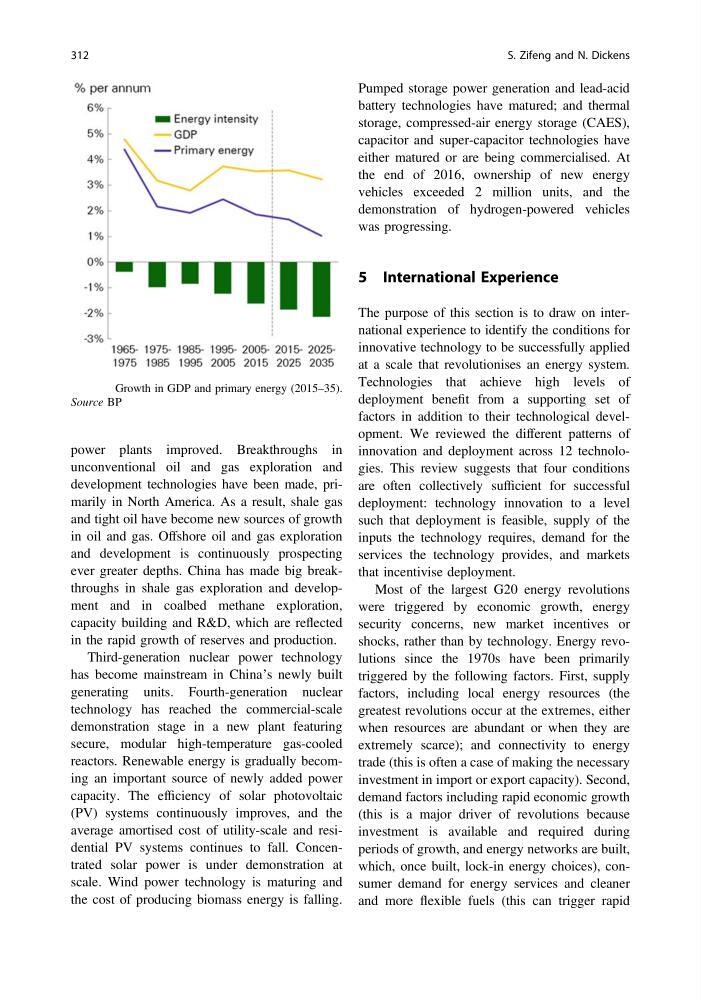
Fig. 15 Growth in GDP and primary energy (2015–35).
Source BP
312
S. Zifeng and N. Dickens
unconventional oil and gas exploration and
development technologies have been made, primarily in North America. As a result, shale gas
and tight oil have become new sources of growth
in oil and gas. Offshore oil and gas exploration
and development is continuously prospecting
ever greater depths. China has made big breakthroughs in shale gas exploration and development and in coalbed methane exploration,
capacity building and R&D, which are reflected
in the rapid growth of reserves and production.
Third-generation nuclear power technology
has become mainstream in China’s newly built
generating units. Fourth-generation nuclear
technology has reached the commercial-scale
demonstration stage in a new plant featuring
secure, modular high-temperature gas-cooled
reactors. Renewable energy is gradually becoming an important source of newly added power
capacity. The efficiency of solar photovoltaic
(PV) systems continuously improves, and the
average amortised cost of utility-scale and residential PV systems continues to fall. Concentrated solar power is under demonstration at
scale. Wind power technology is maturing and
the cost of producing biomass energy is falling.
Pumped storage power generation and lead-acid
battery technologies have matured; and thermal
storage, compressed-air energy storage (CAES),
capacitor and super-capacitor technologies have
either matured or are being commercialised. At
the end of 2016, ownership of new energy
vehicles exceeded 2 million units, and the
demonstration of hydrogen-powered vehicles
was progressing.
5 International Experience
The purpose of this section is to draw on international experience to identify the conditions for
innovative technology to be successfully applied
at a scale that revolutionises an energy system.
Technologies that achieve high levels of
deployment benefit from a supporting set of
factors in addition to their technological development. We reviewed the different patterns of
innovation and deployment across 12 technologies. This review suggests that four conditions
are often collectively sufficient for successful
deployment: technology innovation to a level
such that deployment is feasible, supply of the
inputs the technology requires, demand for the
services the technology provides, and markets
that incentivise deployment.
Most of the largest G20 energy revolutions
were triggered by economic growth, energy
security concerns, new market incentives or
shocks, rather than by technology. Energy revolutions since the 1970s have been primarily
triggered by the following factors. First, supply
factors, including local energy resources (the
greatest revolutions occur at the extremes, either
when resources are abundant or when they are
extremely scarce); and connectivity to energy
trade (this is often a case of making the necessary
investment in import or export capacity). Second,
demand factors including rapid economic growth
(this is a major driver of revolutions because
investment is available and required during
periods of growth, and energy networks are built,
which, once built, lock-in energy choices), consumer demand for energy services and cleaner
and more flexible fuels (this can trigger rapid
Fig. 15 Growth in GDP and primary energy (2015–35).
Source BP
312
S. Zifeng and N. Dickens