

behaviour by imposing a cap on prices, known as
price regulation, it estimates the price level
required for the TSO to recover its costs.
The TSO then has incentives to exaggerate the
costs it faces and secure price caps greater than
its actual costs, a problem known as adverse
selection. In this case, the TSO can underinvest
and continue to set high prices. If instead the
regulator tries to prevent monopolistic behaviour
by paying the TSO for its costs plus a regulated
return (cost-of-service regulation), the TSO does
not have any incentive to take necessary measures to decrease its costs, a problem known as
moral hazard. In contrast to these approaches,
performance-based regulation seeks to address
both monopoly profits and underinvestment. An
example of performance-based regulation is the
imposition of a price (or revenue) cap, which is
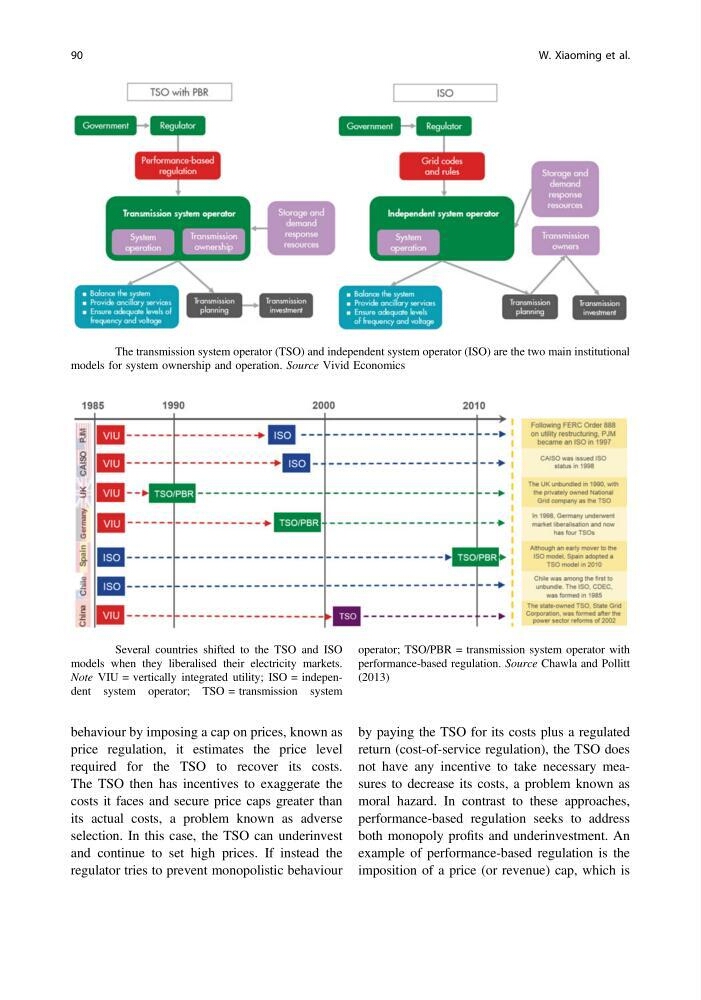
Fig. 29 The transmission system operator (TSO) and independent system operator (ISO) are the two main institutional
models for system ownership and operation. Source Vivid Economics
Fig. 30 Several countries shifted to the TSO and ISO
models when they liberalised their electricity markets.
Note VIU = vertically integrated utility; ISO = independent system operator; TSO = transmission system
operator; TSO/PBR = transmission system operator with
performance-based regulation. Source Chawla and Pollitt
(2013)
90
W. Xiaoming et al.
price regulation, it estimates the price level
required for the TSO to recover its costs.
The TSO then has incentives to exaggerate the
costs it faces and secure price caps greater than
its actual costs, a problem known as adverse
selection. In this case, the TSO can underinvest
and continue to set high prices. If instead the
regulator tries to prevent monopolistic behaviour
by paying the TSO for its costs plus a regulated
return (cost-of-service regulation), the TSO does
not have any incentive to take necessary measures to decrease its costs, a problem known as
moral hazard. In contrast to these approaches,
performance-based regulation seeks to address
both monopoly profits and underinvestment. An
example of performance-based regulation is the
imposition of a price (or revenue) cap, which is
Fig. 29 The transmission system operator (TSO) and independent system operator (ISO) are the two main institutional
models for system ownership and operation. Source Vivid Economics
Fig. 30 Several countries shifted to the TSO and ISO
models when they liberalised their electricity markets.
Note VIU = vertically integrated utility; ISO = independent system operator; TSO = transmission system
operator; TSO/PBR = transmission system operator with
performance-based regulation. Source Chawla and Pollitt
(2013)
90
W. Xiaoming et al.