

them if markets do not exist for all the services
the resources provide.
(2) Decentralisation
Decentralisation involves a shift in electricity
resources from the transmission system to the
distribution system. Decentralised electricity
resources comprise generation, demand response
and storage. Decentralised generation includes
wind and solar, which are increasingly connected
to the distribution network, including at the
household level. Demand response is the flexible
operation of electrical equipment in response to
system conditions; electric vehicles are expected
to significantly increase the potential for demand
response as their batteries can be charged at times
of high electricity generation and low demand.
Decentralised storage may also increase, potentially even at the household level.
To unlock decentralised electricity resources
requires a smart grid. A smart grid is characterised by the predominance of controllable
electricity resources (generators, storage and
appliances) throughout the electricity system, the
ability for users to decide when to use their
devices, the development of operating standards
that allow resources to be operated in a coordinated way, sufficient development of digital
technologies (communications bandwidth, data
storage and computing power), and adequate
data security and privacy protocols.
Decentralisation exacerbates the challenges to
planning, delivery and operation:
• A coordination problem may arise between
the transmission system and the various distribution systems. Most new investment
occurs in the transmission system, where
adequate information is available on current
and planned resources to inform new investment decisions. A shift in investment to the
distribution network, where adequate information is not typically available, will create a
coordination problem, where investors will
not have a clear understanding of system
needs nor the potential returns on investment.
This could result in overinvestment, underinvestment, a poor technology mix, or a poor
spatial distribution of resources.
• The computational requirements of balancing
a decentralised system will increase significantly. Optimising the operation of the entire
system requires knowing the optimal volume
of output and consumption of every resource
in the system. As the number of controllable
resources increases, from the limited set of
large resources in a transmission system to the
total set of resources across all distribution
systems, the computational demands of this
optimisation calculation also increase. If
computing technology is not able to meet these
computational demands, then intermediate
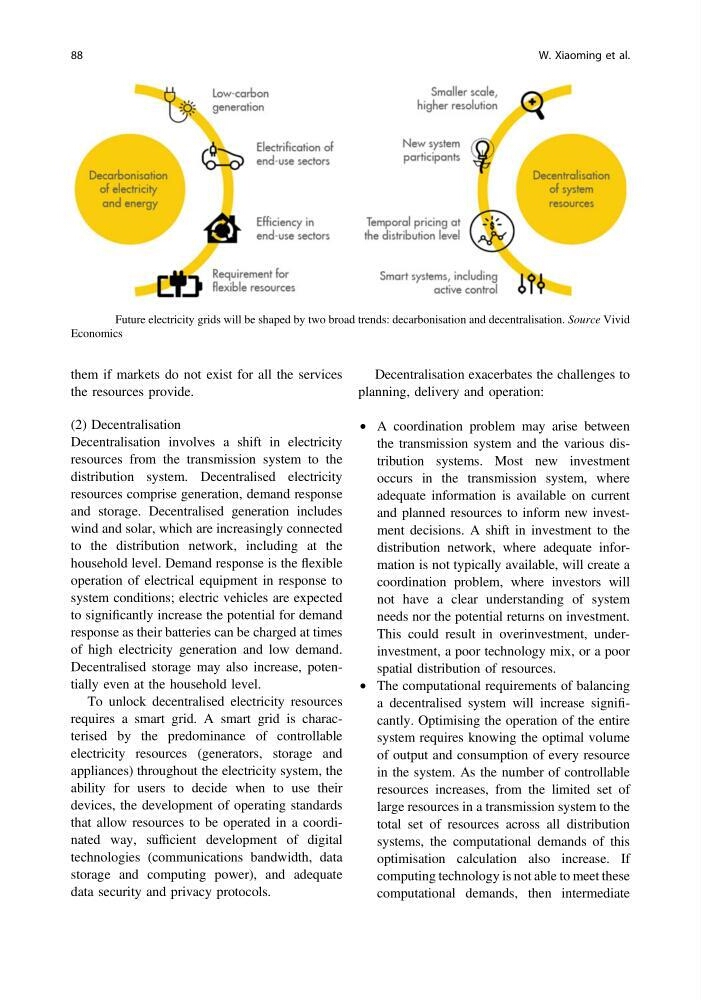
Fig. 28 Future electricity grids will be shaped by two broad trends: decarbonisation and decentralisation. Source Vivid
Economics
88
W. Xiaoming et al.
the resources provide.
(2) Decentralisation
Decentralisation involves a shift in electricity
resources from the transmission system to the
distribution system. Decentralised electricity
resources comprise generation, demand response
and storage. Decentralised generation includes
wind and solar, which are increasingly connected
to the distribution network, including at the
household level. Demand response is the flexible
operation of electrical equipment in response to
system conditions; electric vehicles are expected
to significantly increase the potential for demand
response as their batteries can be charged at times
of high electricity generation and low demand.
Decentralised storage may also increase, potentially even at the household level.
To unlock decentralised electricity resources
requires a smart grid. A smart grid is characterised by the predominance of controllable
electricity resources (generators, storage and
appliances) throughout the electricity system, the
ability for users to decide when to use their
devices, the development of operating standards
that allow resources to be operated in a coordinated way, sufficient development of digital
technologies (communications bandwidth, data
storage and computing power), and adequate
data security and privacy protocols.
Decentralisation exacerbates the challenges to
planning, delivery and operation:
• A coordination problem may arise between
the transmission system and the various distribution systems. Most new investment
occurs in the transmission system, where
adequate information is available on current
and planned resources to inform new investment decisions. A shift in investment to the
distribution network, where adequate information is not typically available, will create a
coordination problem, where investors will
not have a clear understanding of system
needs nor the potential returns on investment.
This could result in overinvestment, underinvestment, a poor technology mix, or a poor
spatial distribution of resources.
• The computational requirements of balancing
a decentralised system will increase significantly. Optimising the operation of the entire
system requires knowing the optimal volume
of output and consumption of every resource
in the system. As the number of controllable
resources increases, from the limited set of
large resources in a transmission system to the
total set of resources across all distribution
systems, the computational demands of this
optimisation calculation also increase. If
computing technology is not able to meet these
computational demands, then intermediate
Fig. 28 Future electricity grids will be shaped by two broad trends: decarbonisation and decentralisation. Source Vivid
Economics
88
W. Xiaoming et al.