

this has been achieved through the unbundling of
generation and retail from the natural monopolies
of transmission and distribution. In parallel, a
process of privatisation often occurred, particularly in the competitive parts of the supply chain.
However, market failures remain and government interventions are needed to correct them. As
summarised in Fig. 27, measures include: a strong
carbon price to incentivise low-carbon generation
and reduce demand; a stable, predictable and
credible policy setting to reduce policy risk and the
cost of capital for low-carbon investments; and,
the regulation of natural network monopolies.
2.2.5 Challenges in Network Provision
Network service providers face challenges as
electricity systems decarbonise and decentralise.
(1) What are the challenges?
The challenges of efficient network provision
encompass planning and delivery, operation and
cost recovery. Challenges in planning and delivery
arise from uncertainty over future electricity
demand and the difficulty of coordinating network
investment with independent generators. Challenges in operation arise from the capacity constraints of the network, the complexity of the
system, and the unpredictability of flows of electricity. Challenges in cost recovery arise from the
natural monopoly characteristics of electricity networks, and the difficulties of mitigating monopoly
behaviour with conventional regulation.
(1) Planning and delivery
Planning and delivery of electricity networks
faces uncertainty over future electricity demand
and difficulties in coordinating network investment with independent generators. First, the
volume and location of future demand is uncertain and depends on population growth, changes
in settlement patterns, and changes in industrial
structure, technology and economic growth.
Network planners judge where network assets
will be required. Second, while vertically
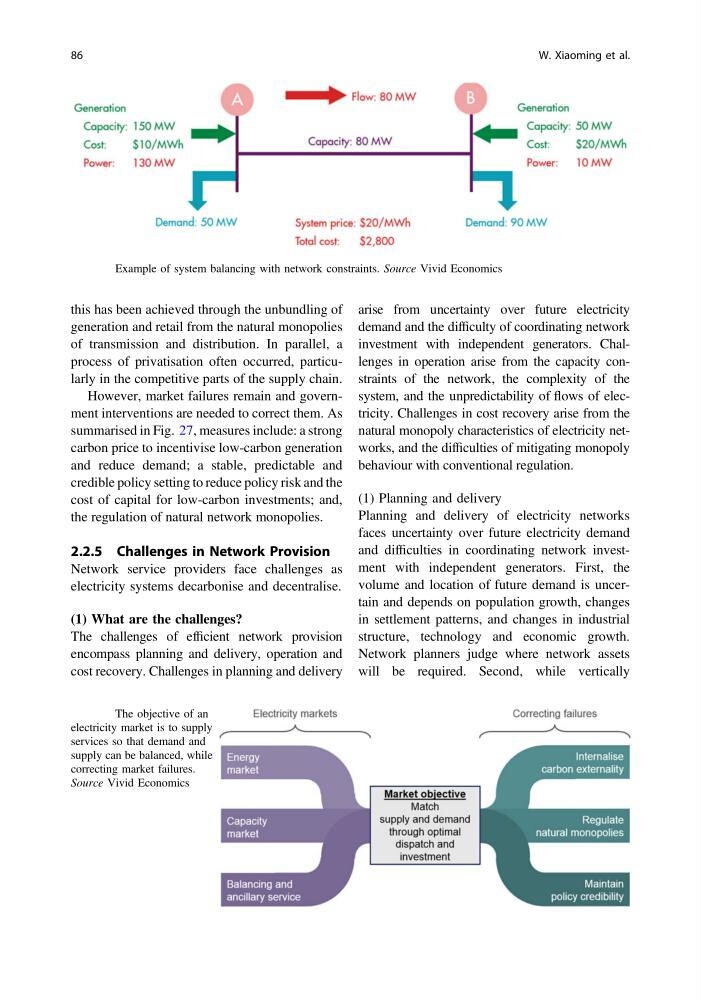
Fig. 26 Example of system balancing with network constraints. Source Vivid Economics
Fig. 27 The objective of an
electricity market is to supply
services so that demand and
supply can be balanced, while
correcting market failures.
Source Vivid Economics
86
W. Xiaoming et al.
generation and retail from the natural monopolies
of transmission and distribution. In parallel, a
process of privatisation often occurred, particularly in the competitive parts of the supply chain.
However, market failures remain and government interventions are needed to correct them. As
summarised in Fig. 27, measures include: a strong
carbon price to incentivise low-carbon generation
and reduce demand; a stable, predictable and
credible policy setting to reduce policy risk and the
cost of capital for low-carbon investments; and,
the regulation of natural network monopolies.
2.2.5 Challenges in Network Provision
Network service providers face challenges as
electricity systems decarbonise and decentralise.
(1) What are the challenges?
The challenges of efficient network provision
encompass planning and delivery, operation and
cost recovery. Challenges in planning and delivery
arise from uncertainty over future electricity
demand and the difficulty of coordinating network
investment with independent generators. Challenges in operation arise from the capacity constraints of the network, the complexity of the
system, and the unpredictability of flows of electricity. Challenges in cost recovery arise from the
natural monopoly characteristics of electricity networks, and the difficulties of mitigating monopoly
behaviour with conventional regulation.
(1) Planning and delivery
Planning and delivery of electricity networks
faces uncertainty over future electricity demand
and difficulties in coordinating network investment with independent generators. First, the
volume and location of future demand is uncertain and depends on population growth, changes
in settlement patterns, and changes in industrial
structure, technology and economic growth.
Network planners judge where network assets
will be required. Second, while vertically
Fig. 26 Example of system balancing with network constraints. Source Vivid Economics
Fig. 27 The objective of an
electricity market is to supply
services so that demand and
supply can be balanced, while
correcting market failures.
Source Vivid Economics
86
W. Xiaoming et al.