

grid companies to decrease their costs. It determined permitted costs and profits of grid companies and capped their total revenue. Following
the success of the pilot project in Shenzhen, the
NDRC decided to expand the reform step by step
to other provinces and then nationwide.
(2) Performance of Chinese network
arrangements
China’s current network arrangements have
delivered a large and stable grid with high levels
of energy access, but the grid is fragmented
geographically and has highly centralised management. As Chinese regulatory bodies are not
independent, planning and pricing decisions at
the central and local levels may be influenced by
political objectives. The top-down planning
approach and lack of coordination with provincial and regional grid companies may lead to
inefficient investment decisions and poor coordination between generation and transmission
investments. Such investment patterns create
pockets of generation where electricity supply is
abundant, but an inability to transmit to areas
where it is scarce, due to limited transmission
capacity. As a result, while China has significant
renewable generation capacity, such as solar and
wind, large volumes of renewable energy are
curtailed, increasing overall electricity costs and
carbon emissions.
The transition to a low-carbon and decentralised electricity system is likely to worsen these
inefficiencies and create new challenges. As the
Chinese economy and energy sector decentralise,
it will be increasingly difficult to maintain the
electricity grid’s high level of reliability at an
affordable cost. Moreover, decentralisation of
electricity resources requires significant investment in smart capabilities and creates challenges
for the efficient planning and delivery of infrastructure across different networks.
Therefore, China may benefit from reforms to
network arrangements, as have many other
countries that have adopted international best
practice for efficient network provision.
2.2.2 Key Principles of Efficient
Network Provision
In order to realise the economic benefits of liberalised electricity markets, international best
practice suggests a set of principles for efficient
network provision:
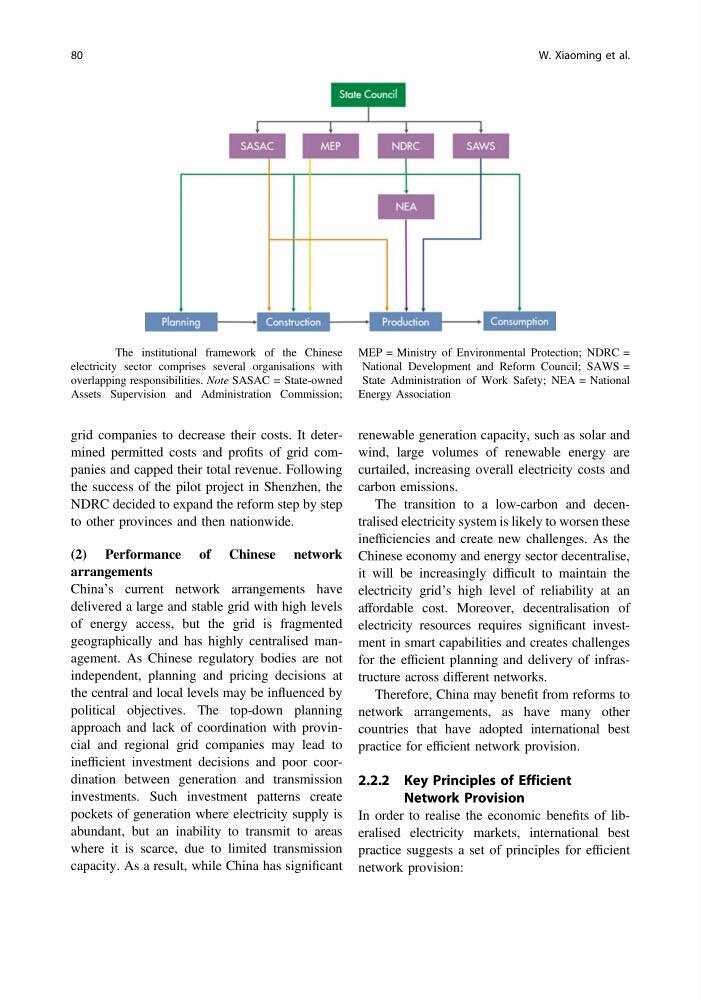
Fig. 24 The institutional framework of the Chinese
electricity sector comprises several organisations with
overlapping responsibilities. Note SASAC = State-owned
Assets Supervision and Administration Commission;
MEP = Ministry of Environmental Protection; NDRC =
National Development and Reform Council; SAWS =
State Administration of Work Safety; NEA = National
Energy Association
80
W. Xiaoming et al.
the success of the pilot project in Shenzhen, the
NDRC decided to expand the reform step by step
to other provinces and then nationwide.
(2) Performance of Chinese network
arrangements
China’s current network arrangements have
delivered a large and stable grid with high levels
of energy access, but the grid is fragmented
geographically and has highly centralised management. As Chinese regulatory bodies are not
independent, planning and pricing decisions at
the central and local levels may be influenced by
political objectives. The top-down planning
approach and lack of coordination with provincial and regional grid companies may lead to
inefficient investment decisions and poor coordination between generation and transmission
investments. Such investment patterns create
pockets of generation where electricity supply is
abundant, but an inability to transmit to areas
where it is scarce, due to limited transmission
capacity. As a result, while China has significant
renewable generation capacity, such as solar and
wind, large volumes of renewable energy are
curtailed, increasing overall electricity costs and
carbon emissions.
The transition to a low-carbon and decentralised electricity system is likely to worsen these
inefficiencies and create new challenges. As the
Chinese economy and energy sector decentralise,
it will be increasingly difficult to maintain the
electricity grid’s high level of reliability at an
affordable cost. Moreover, decentralisation of
electricity resources requires significant investment in smart capabilities and creates challenges
for the efficient planning and delivery of infrastructure across different networks.
Therefore, China may benefit from reforms to
network arrangements, as have many other
countries that have adopted international best
practice for efficient network provision.
2.2.2 Key Principles of Efficient
Network Provision
In order to realise the economic benefits of liberalised electricity markets, international best
practice suggests a set of principles for efficient
network provision:
Fig. 24 The institutional framework of the Chinese
electricity sector comprises several organisations with
overlapping responsibilities. Note SASAC = State-owned
Assets Supervision and Administration Commission;
MEP = Ministry of Environmental Protection; NDRC =
National Development and Reform Council; SAWS =
State Administration of Work Safety; NEA = National
Energy Association
80
W. Xiaoming et al.