

194
A. Saxena and A. K. Khare
3 Methodology and Research Design
The review of existing literature on development of frameworks for green manufacturing for different industries led to the selection of following tools:
1. Fuzzy Delphi method (FDM)
2. Interpretive structural modeling (ISM)
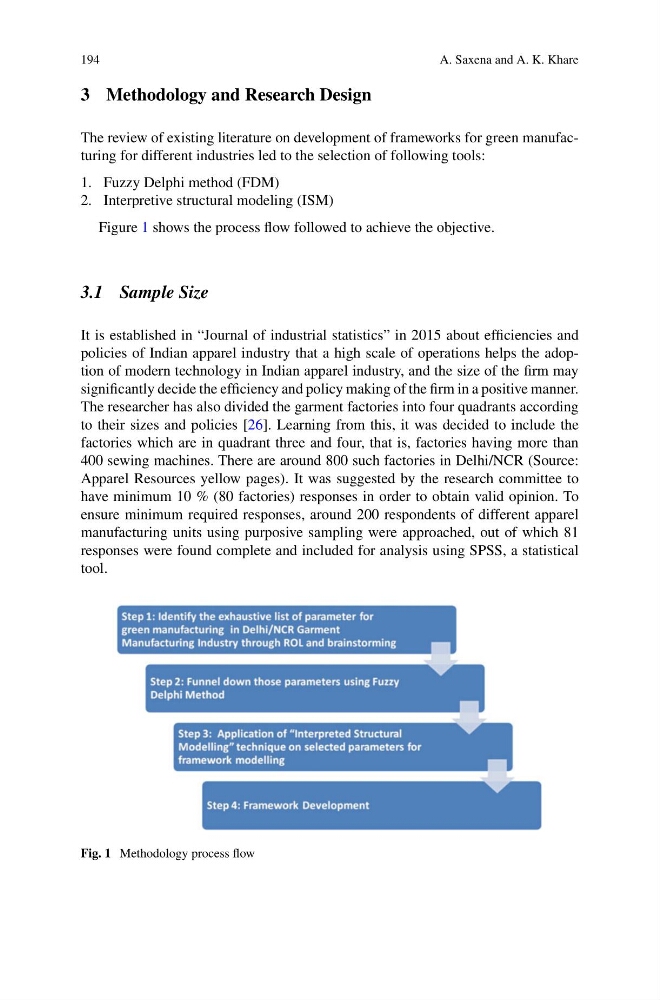
Figure 1 shows the process flow followed to achieve the objective.
3.1 Sample Size
It is established in “Journal of industrial statistics” in 2015 about efficiencies and
policies of Indian apparel industry that a high scale of operations helps the adoption of modern technology in Indian apparel industry, and the size of the firm may
significantly decide the efficiency and policy making of the firm in a positive manner.
The researcher has also divided the garment factories into four quadrants according
to their sizes and policies [26]. Learning from this, it was decided to include the
factories which are in quadrant three and four, that is, factories having more than
400 sewing machines. There are around 800 such factories in Delhi/NCR (Source:
Apparel Resources yellow pages). It was suggested by the research committee to
have minimum 10 % (80 factories) responses in order to obtain valid opinion. To
ensure minimum required responses, around 200 respondents of different apparel
manufacturing units using purposive sampling were approached, out of which 81
responses were found complete and included for analysis using SPSS, a statistical
tool.
Fig. 1 Methodology process flow
A. Saxena and A. K. Khare
3 Methodology and Research Design
The review of existing literature on development of frameworks for green manufacturing for different industries led to the selection of following tools:
1. Fuzzy Delphi method (FDM)
2. Interpretive structural modeling (ISM)
Figure 1 shows the process flow followed to achieve the objective.
3.1 Sample Size
It is established in “Journal of industrial statistics” in 2015 about efficiencies and
policies of Indian apparel industry that a high scale of operations helps the adoption of modern technology in Indian apparel industry, and the size of the firm may
significantly decide the efficiency and policy making of the firm in a positive manner.
The researcher has also divided the garment factories into four quadrants according
to their sizes and policies [26]. Learning from this, it was decided to include the
factories which are in quadrant three and four, that is, factories having more than
400 sewing machines. There are around 800 such factories in Delhi/NCR (Source:
Apparel Resources yellow pages). It was suggested by the research committee to
have minimum 10 % (80 factories) responses in order to obtain valid opinion. To
ensure minimum required responses, around 200 respondents of different apparel
manufacturing units using purposive sampling were approached, out of which 81
responses were found complete and included for analysis using SPSS, a statistical
tool.
Fig. 1 Methodology process flow