

126
D. Sakthivadivel et al.
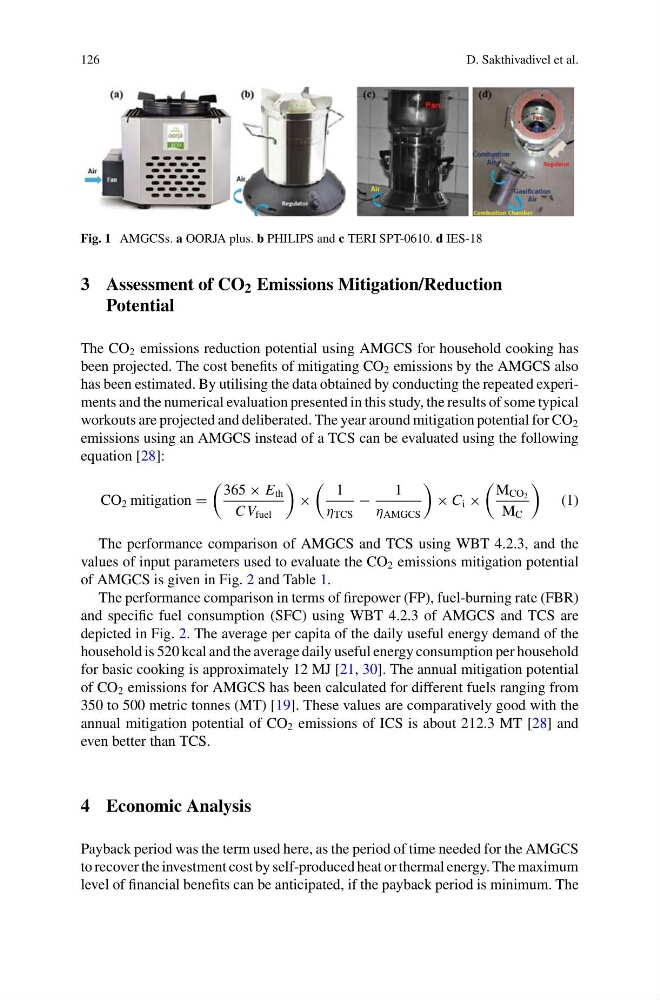
Fig. 1 AMGCSs. a OORJA plus. b PHILIPS and c TERI SPT-0610. d IES-18
3 Assessment of CO 2 Emissions Mitigation/Reduction
Potential
The CO 2 emissions reduction potential using AMGCS for household cooking has
been projected. The cost benefits of mitigating CO 2 emissions by the AMGCS also
has been estimated. By utilising the data obtained by conducting the repeated experiments and the numerical evaluation presented in this study, the results of some typical
workouts are projected and deliberated. The year around mitigation potential for CO 2
emissions using an AMGCS instead of a TCS can be evaluated using the following
equation [28]:
CO 2 mitigation =
365 × E th
C V fuel
×
1
η TCS
−
1
η AMGCS
× C i ×
M CO 2
M C
(1)
The performance comparison of AMGCS and TCS using WBT 4.2.3, and the
values of input parameters used to evaluate the CO 2 emissions mitigation potential
of AMGCS is given in Fig. 2 and Table 1.
The performance comparison in terms of firepower (FP), fuel-burning rate (FBR)
and specific fuel consumption (SFC) using WBT 4.2.3 of AMGCS and TCS are
depicted in Fig. 2. The average per capita of the daily useful energy demand of the
household is 520 kcal and the average daily useful energy consumption per household
for basic cooking is approximately 12 MJ [21, 30]. The annual mitigation potential
of CO 2 emissions for AMGCS has been calculated for different fuels ranging from
350 to 500 metric tonnes (MT) [19]. These values are comparatively good with the
annual mitigation potential of CO 2 emissions of ICS is about 212.3 MT [28] and
even better than TCS.
4 Economic Analysis
Payback period was the term used here, as the period of time needed for the AMGCS
to recover the investment cost by self-produced heat or thermal energy. The maximum
level of financial benefits can be anticipated, if the payback period is minimum. The
D. Sakthivadivel et al.
Fig. 1 AMGCSs. a OORJA plus. b PHILIPS and c TERI SPT-0610. d IES-18
3 Assessment of CO 2 Emissions Mitigation/Reduction
Potential
The CO 2 emissions reduction potential using AMGCS for household cooking has
been projected. The cost benefits of mitigating CO 2 emissions by the AMGCS also
has been estimated. By utilising the data obtained by conducting the repeated experiments and the numerical evaluation presented in this study, the results of some typical
workouts are projected and deliberated. The year around mitigation potential for CO 2
emissions using an AMGCS instead of a TCS can be evaluated using the following
equation [28]:
CO 2 mitigation =
365 × E th
C V fuel
×
1
η TCS
−
1
η AMGCS
× C i ×
M CO 2
M C
(1)
The performance comparison of AMGCS and TCS using WBT 4.2.3, and the
values of input parameters used to evaluate the CO 2 emissions mitigation potential
of AMGCS is given in Fig. 2 and Table 1.
The performance comparison in terms of firepower (FP), fuel-burning rate (FBR)
and specific fuel consumption (SFC) using WBT 4.2.3 of AMGCS and TCS are
depicted in Fig. 2. The average per capita of the daily useful energy demand of the
household is 520 kcal and the average daily useful energy consumption per household
for basic cooking is approximately 12 MJ [21, 30]. The annual mitigation potential
of CO 2 emissions for AMGCS has been calculated for different fuels ranging from
350 to 500 metric tonnes (MT) [19]. These values are comparatively good with the
annual mitigation potential of CO 2 emissions of ICS is about 212.3 MT [28] and
even better than TCS.
4 Economic Analysis
Payback period was the term used here, as the period of time needed for the AMGCS
to recover the investment cost by self-produced heat or thermal energy. The maximum
level of financial benefits can be anticipated, if the payback period is minimum. The