

information shared by core regional hospitals, small hospitals, clinics, and so on;
medical information is shared with the consent of the patient and cooperating
institutions in the region by referring to a particular direction or each other. A service
center is established to link IDs and control reference authority. As the regional
medical information collaboration network expands, technical problems are being
resolved through advanced trials, such as the establishment of standard data
exchange formats (SS-MIX, SS-MIX2) and a mechanism to link IDs across vendors.
Regarding the medical information cooperation network for the Communitybased Integrated Care System, a wide variety of medical and nursing care professionals use it in patient homes, visiting nursing stations, clinics, core regional
medical hospitals, and comprehensive community support centers. In addition,
regarding the use of a personal computer (PC), tablet, smartphone, or other devices
for information sharing, usability deteriorates if access is unobtainable in different
operating systems (OS). Therefore, utilization of the Cloud requires the provision of
a platform such as SaaS, which is independent of the OS. The regional information
cooperation network system in the community-based integrated care system requires
not only references but also the ability to provide information in both directions and
conference functions for interprofessional work (Fig. 5).
3
4
9
11
13
16
22
24
31
50
76
107
125
146
166
174
1
1
1
1
3
3
3
4
5
9
19
30
53
72
77
79
4
5
10
12
16
19
25
28
36
59
95
137
178
218
243
253
0
50
100
150
200
250
300
2000 2001 2002 2003 2004 2006 2007 2008 2009 2010 2011 2012 2013 2014 2015 2016
59
(n=253)
194
2WKHU1HWZRUN&XPXODWLYH
5HJHQHUDWLRQ3ODQ&XPXODWLYH
5HJHQHUDWLRQ3URMHFW
1HZ)XQG
5HJLRQDO0HGLFDO
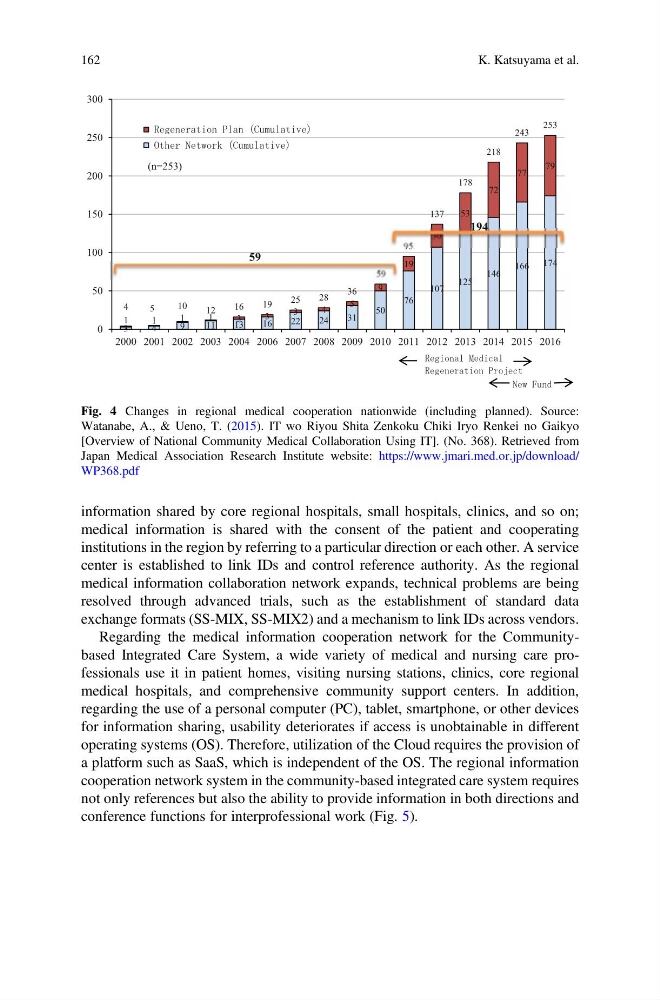
Fig. 4 Changes in regional medical cooperation nationwide (including planned). Source:
Watanabe, A., & Ueno, T. (2015). IT wo Riyou Shita Zenkoku Chiki Iryo Renkei no Gaikyo
[Overview of National Community Medical Collaboration Using IT]. (No. 368). Retrieved from
Japan Medical Association Research Institute website: https://www.jmari.med.or.jp/download/
WP368.pdf
162
K. Katsuyama et al.
medical information is shared with the consent of the patient and cooperating
institutions in the region by referring to a particular direction or each other. A service
center is established to link IDs and control reference authority. As the regional
medical information collaboration network expands, technical problems are being
resolved through advanced trials, such as the establishment of standard data
exchange formats (SS-MIX, SS-MIX2) and a mechanism to link IDs across vendors.
Regarding the medical information cooperation network for the Communitybased Integrated Care System, a wide variety of medical and nursing care professionals use it in patient homes, visiting nursing stations, clinics, core regional
medical hospitals, and comprehensive community support centers. In addition,
regarding the use of a personal computer (PC), tablet, smartphone, or other devices
for information sharing, usability deteriorates if access is unobtainable in different
operating systems (OS). Therefore, utilization of the Cloud requires the provision of
a platform such as SaaS, which is independent of the OS. The regional information
cooperation network system in the community-based integrated care system requires
not only references but also the ability to provide information in both directions and
conference functions for interprofessional work (Fig. 5).
3
4
9
11
13
16
22
24
31
50
76
107
125
146
166
174
1
1
1
1
3
3
3
4
5
9
19
30
53
72
77
79
4
5
10
12
16
19
25
28
36
59
95
137
178
218
243
253
0
50
100
150
200
250
300
2000 2001 2002 2003 2004 2006 2007 2008 2009 2010 2011 2012 2013 2014 2015 2016
59
(n=253)
194
2WKHU1HWZRUN&XPXODWLYH
5HJHQHUDWLRQ3ODQ&XPXODWLYH
5HJHQHUDWLRQ3URMHFW
1HZ)XQG
5HJLRQDO0HGLFDO
Fig. 4 Changes in regional medical cooperation nationwide (including planned). Source:
Watanabe, A., & Ueno, T. (2015). IT wo Riyou Shita Zenkoku Chiki Iryo Renkei no Gaikyo
[Overview of National Community Medical Collaboration Using IT]. (No. 368). Retrieved from
Japan Medical Association Research Institute website: https://www.jmari.med.or.jp/download/
WP368.pdf
162
K. Katsuyama et al.