

development is estimated to be between 10 billion and 20 billion yen, and these
amounts are not expected to be sufficient.
Recent data on the production of scientific papers by the country point to an
overall decline in Japan’s capabilities to pursue scientific research. A major problem
has been that the government’s policy toward higher education, particularly cuts to
funding for basic expenses, has weakened the foundations of scientific research
(News Release: The Japan times, 2017). On the other hand, universities have a
negative effect because they neglect education due to heavy pressure to generate
research funds (Hunter, 2013). The availability of public research funds not only
affects the aspect of promoting research but also relates to the crisis of education
itself.
5.2 Patent System in Japan
A patent right is the right to protect an invention, and at the same time, the
publication of the invention promotes further technological progress and promotes
development across an entire industry. Thus, a patent is an extremely important right
for the inventor and the company, because it enables the recovery of R&D investment and the reinvestment for new discoveries. In particular, in the case of the
pharmaceutical industry, the role and importance of a patent as a means of ensuring
technology exclusivity are higher than in other industries.
The term of a patent in Japan is 15 years from the date of publication of the
application and is not allowed to exceed 20 years from the date of filing (Fig. 1). On
the other hand, the duration of a patent in the United States is 17 years from the
establishment of the right, but it is 20 years from the filing date due to revision of the
Patent Law (1995). Regarding pharmaceuticals, the duration of a patent right is
substantially shortened by the need for a clinical trial or a test for ensuring safety, and
thus, the patent right period is extended by a patent right extension system. In Japan,
a maximum period of 5 years is allowed for the shorter period “from the clinical trial
notification date to the manufacturing approval date” or “from the patent registration
date to the manufacturing approval date”. Therefore, Japan’s real patent validity
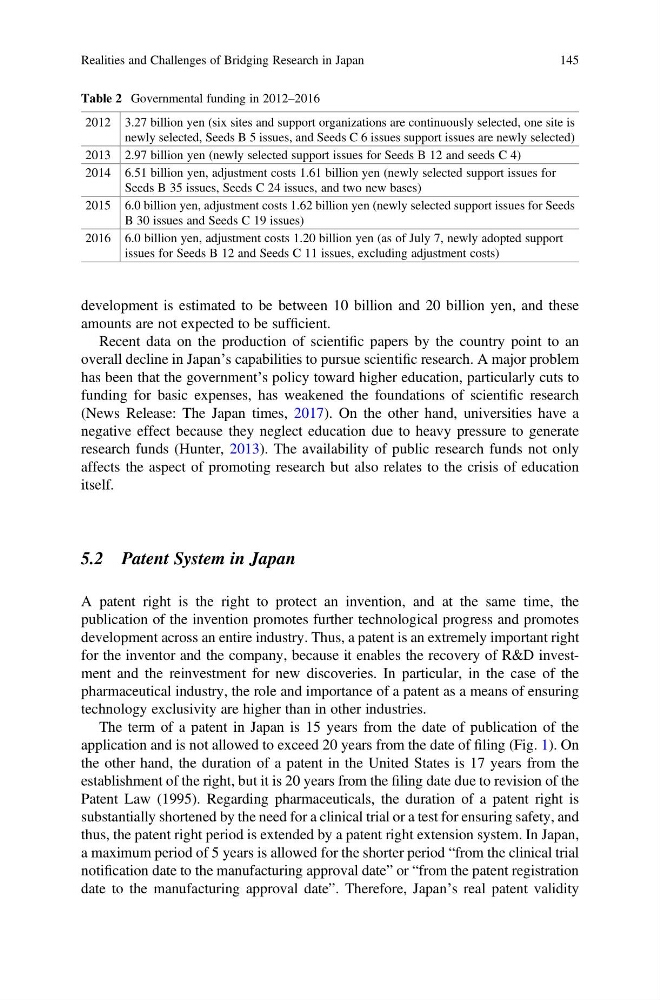
Table 2 Governmental funding in 2012–2016
2012 3.27 billion yen (six sites and support organizations are continuously selected, one site is
newly selected, Seeds B 5 issues, and Seeds C 6 issues support issues are newly selected)
2013 2.97 billion yen (newly selected support issues for Seeds B 12 and seeds C 4)
2014 6.51 billion yen, adjustment costs 1.61 billion yen (newly selected support issues for
Seeds B 35 issues, Seeds C 24 issues, and two new bases)
2015 6.0 billion yen, adjustment costs 1.62 billion yen (newly selected support issues for Seeds
B 30 issues and Seeds C 19 issues)
2016 6.0 billion yen, adjustment costs 1.20 billion yen (as of July 7, newly adopted support
issues for Seeds B 12 and Seeds C 11 issues, excluding adjustment costs)
Realities and Challenges of Bridging Research in Japan
145
amounts are not expected to be sufficient.
Recent data on the production of scientific papers by the country point to an
overall decline in Japan’s capabilities to pursue scientific research. A major problem
has been that the government’s policy toward higher education, particularly cuts to
funding for basic expenses, has weakened the foundations of scientific research
(News Release: The Japan times, 2017). On the other hand, universities have a
negative effect because they neglect education due to heavy pressure to generate
research funds (Hunter, 2013). The availability of public research funds not only
affects the aspect of promoting research but also relates to the crisis of education
itself.
5.2 Patent System in Japan
A patent right is the right to protect an invention, and at the same time, the
publication of the invention promotes further technological progress and promotes
development across an entire industry. Thus, a patent is an extremely important right
for the inventor and the company, because it enables the recovery of R&D investment and the reinvestment for new discoveries. In particular, in the case of the
pharmaceutical industry, the role and importance of a patent as a means of ensuring
technology exclusivity are higher than in other industries.
The term of a patent in Japan is 15 years from the date of publication of the
application and is not allowed to exceed 20 years from the date of filing (Fig. 1). On
the other hand, the duration of a patent in the United States is 17 years from the
establishment of the right, but it is 20 years from the filing date due to revision of the
Patent Law (1995). Regarding pharmaceuticals, the duration of a patent right is
substantially shortened by the need for a clinical trial or a test for ensuring safety, and
thus, the patent right period is extended by a patent right extension system. In Japan,
a maximum period of 5 years is allowed for the shorter period “from the clinical trial
notification date to the manufacturing approval date” or “from the patent registration
date to the manufacturing approval date”. Therefore, Japan’s real patent validity
Table 2 Governmental funding in 2012–2016
2012 3.27 billion yen (six sites and support organizations are continuously selected, one site is
newly selected, Seeds B 5 issues, and Seeds C 6 issues support issues are newly selected)
2013 2.97 billion yen (newly selected support issues for Seeds B 12 and seeds C 4)
2014 6.51 billion yen, adjustment costs 1.61 billion yen (newly selected support issues for
Seeds B 35 issues, Seeds C 24 issues, and two new bases)
2015 6.0 billion yen, adjustment costs 1.62 billion yen (newly selected support issues for Seeds
B 30 issues and Seeds C 19 issues)
2016 6.0 billion yen, adjustment costs 1.20 billion yen (as of July 7, newly adopted support
issues for Seeds B 12 and Seeds C 11 issues, excluding adjustment costs)
Realities and Challenges of Bridging Research in Japan
145