

3.2 Biochemical Conversion Technologies
83
Table 3.7 (continued)
Location
Site type
Feedstock
Reactor type
Amount of biogas
produced
Additional
information
Finland
Dairy farm Cow slurry,
plant-based
waste, animal
byproducts
Continuous
Stirred-Tank
Reactor (CSTR)
Heat: 230 MWh;
Electricity: 105
MWh; Traffic fuel
and tractor fuel:
1000 MWh
–
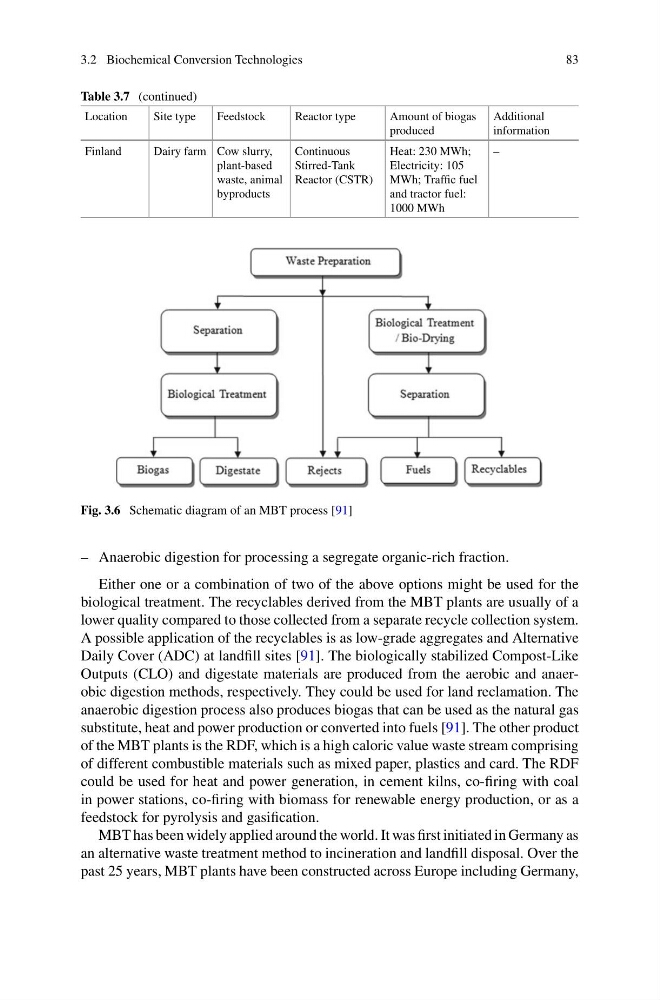
Fig. 3.6 Schematic diagram of an MBT process [91]
– Anaerobic digestion for processing a segregate organic-rich fraction.
Either one or a combination of two of the above options might be used for the
biological treatment. The recyclables derived from the MBT plants are usually of a
lower quality compared to those collected from a separate recycle collection system.
A possible application of the recyclables is as low-grade aggregates and Alternative
Daily Cover (ADC) at landfill sites [91]. The biologically stabilized Compost-Like
Outputs (CLO) and digestate materials are produced from the aerobic and anaerobic digestion methods, respectively. They could be used for land reclamation. The
anaerobic digestion process also produces biogas that can be used as the natural gas
substitute, heat and power production or converted into fuels [91]. The other product
of the MBT plants is the RDF, which is a high caloric value waste stream comprising
of different combustible materials such as mixed paper, plastics and card. The RDF
could be used for heat and power generation, in cement kilns, co-firing with coal
in power stations, co-firing with biomass for renewable energy production, or as a
feedstock for pyrolysis and gasification.
MBT has been widely applied around the world. It was first initiated in Germany as
an alternative waste treatment method to incineration and landfill disposal. Over the
past 25 years, MBT plants have been constructed across Europe including Germany,
83
Table 3.7 (continued)
Location
Site type
Feedstock
Reactor type
Amount of biogas
produced
Additional
information
Finland
Dairy farm Cow slurry,
plant-based
waste, animal
byproducts
Continuous
Stirred-Tank
Reactor (CSTR)
Heat: 230 MWh;
Electricity: 105
MWh; Traffic fuel
and tractor fuel:
1000 MWh
–
Fig. 3.6 Schematic diagram of an MBT process [91]
– Anaerobic digestion for processing a segregate organic-rich fraction.
Either one or a combination of two of the above options might be used for the
biological treatment. The recyclables derived from the MBT plants are usually of a
lower quality compared to those collected from a separate recycle collection system.
A possible application of the recyclables is as low-grade aggregates and Alternative
Daily Cover (ADC) at landfill sites [91]. The biologically stabilized Compost-Like
Outputs (CLO) and digestate materials are produced from the aerobic and anaerobic digestion methods, respectively. They could be used for land reclamation. The
anaerobic digestion process also produces biogas that can be used as the natural gas
substitute, heat and power production or converted into fuels [91]. The other product
of the MBT plants is the RDF, which is a high caloric value waste stream comprising
of different combustible materials such as mixed paper, plastics and card. The RDF
could be used for heat and power generation, in cement kilns, co-firing with coal
in power stations, co-firing with biomass for renewable energy production, or as a
feedstock for pyrolysis and gasification.
MBT has been widely applied around the world. It was first initiated in Germany as
an alternative waste treatment method to incineration and landfill disposal. Over the
past 25 years, MBT plants have been constructed across Europe including Germany,