

as they organize up to 2/3 of their secreted
enzymes in fungal cellulosomes (Haitjema
et al. 2017; Henske et al. 2017). Cellulosomes
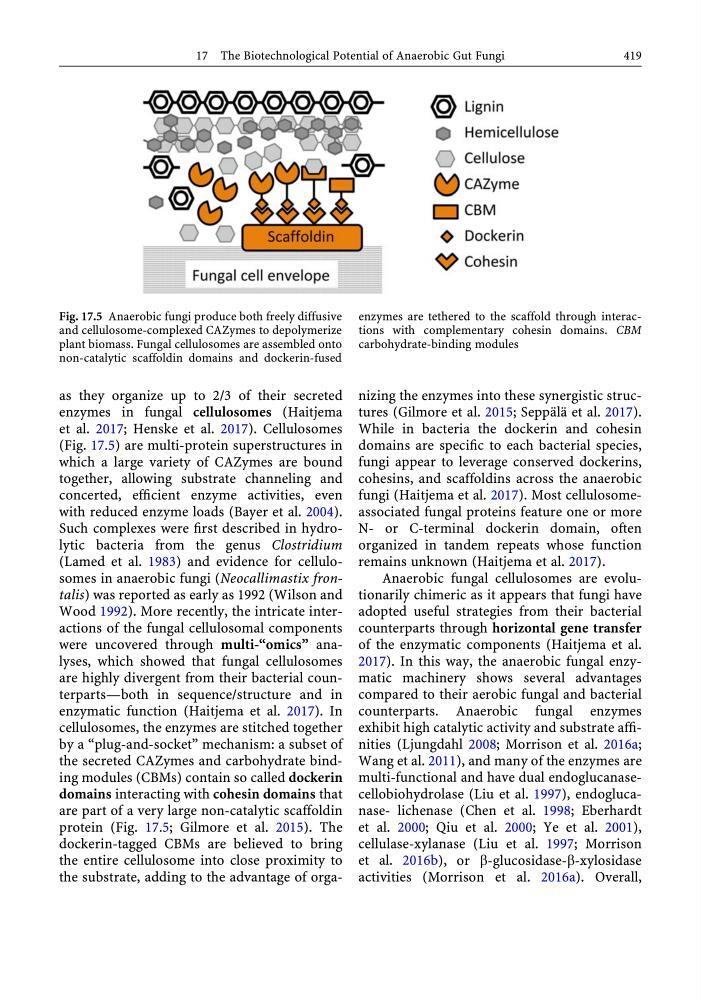
(Fig. 17.5) are multi-protein superstructures in
which a large variety of CAZymes are bound
together, allowing substrate channeling and
concerted, efficient enzyme activities, even
with reduced enzyme loads (Bayer et al. 2004).
Such complexes were first described in hydrolytic bacteria from the genus Clostridium
(Lamed et al. 1983) and evidence for cellulosomes in anaerobic fungi (Neocallimastix frontalis) was reported as early as 1992 (Wilson and
Wood 1992). More recently, the intricate interactions of the fungal cellulosomal components
were uncovered through multi-“omics” analyses, which showed that fungal cellulosomes
are highly divergent from their bacterial counterparts—both in sequence/structure and in
enzymatic function (Haitjema et al. 2017). In
cellulosomes, the enzymes are stitched together
by a “plug-and-socket” mechanism: a subset of
the secreted CAZymes and carbohydrate binding modules (CBMs) contain so called dockerin
domains interacting with cohesin domains that
are part of a very large non-catalytic scaffoldin
protein (Fig. 17.5; Gilmore et al. 2015). The
dockerin-tagged CBMs are believed to bring
the entire cellulosome into close proximity to
the substrate, adding to the advantage of organizing the enzymes into these synergistic structures (Gilmore et al. 2015; Seppa ¨la ¨ et al. 2017).
While in bacteria the dockerin and cohesin
domains are specific to each bacterial species,
fungi appear to leverage conserved dockerins,
cohesins, and scaffoldins across the anaerobic
fungi (Haitjema et al. 2017). Most cellulosomeassociated fungal proteins feature one or more
N- or C-terminal dockerin domain, often
organized in tandem repeats whose function
remains unknown (Haitjema et al. 2017).
Anaerobic fungal cellulosomes are evolutionarily chimeric as it appears that fungi have
adopted useful strategies from their bacterial
counterparts through horizontal gene transfer
of the enzymatic components (Haitjema et al.
2017). In this way, the anaerobic fungal enzymatic machinery shows several advantages
compared to their aerobic fungal and bacterial
counterparts. Anaerobic fungal enzymes
exhibit high catalytic activity and substrate affinities (Ljungdahl 2008; Morrison et al. 2016a;
Wang et al. 2011), and many of the enzymes are
multi-functional and have dual endoglucanasecellobiohydrolase (Liu et al. 1997), endoglucanase- lichenase (Chen et al. 1998; Eberhardt
et al. 2000; Qiu et al. 2000; Ye et al. 2001),
cellulase-xylanase (Liu et al. 1997; Morrison
et al. 2016b), or b-glucosidase-b-xylosidase
activities (Morrison et al. 2016a). Overall,
Fig. 17.5 Anaerobic fungi produce both freely diffusive
and cellulosome-complexed CAZymes to depolymerize
plant biomass. Fungal cellulosomes are assembled onto
non-catalytic scaffoldin domains and dockerin-fused
enzymes are tethered to the scaffold through interactions with complementary cohesin domains. CBM
carbohydrate-binding modules
17 The Biotechnological Potential of Anaerobic Gut Fungi
419
enzymes in fungal cellulosomes (Haitjema
et al. 2017; Henske et al. 2017). Cellulosomes
(Fig. 17.5) are multi-protein superstructures in
which a large variety of CAZymes are bound
together, allowing substrate channeling and
concerted, efficient enzyme activities, even
with reduced enzyme loads (Bayer et al. 2004).
Such complexes were first described in hydrolytic bacteria from the genus Clostridium
(Lamed et al. 1983) and evidence for cellulosomes in anaerobic fungi (Neocallimastix frontalis) was reported as early as 1992 (Wilson and
Wood 1992). More recently, the intricate interactions of the fungal cellulosomal components
were uncovered through multi-“omics” analyses, which showed that fungal cellulosomes
are highly divergent from their bacterial counterparts—both in sequence/structure and in
enzymatic function (Haitjema et al. 2017). In
cellulosomes, the enzymes are stitched together
by a “plug-and-socket” mechanism: a subset of
the secreted CAZymes and carbohydrate binding modules (CBMs) contain so called dockerin
domains interacting with cohesin domains that
are part of a very large non-catalytic scaffoldin
protein (Fig. 17.5; Gilmore et al. 2015). The
dockerin-tagged CBMs are believed to bring
the entire cellulosome into close proximity to
the substrate, adding to the advantage of organizing the enzymes into these synergistic structures (Gilmore et al. 2015; Seppa ¨la ¨ et al. 2017).
While in bacteria the dockerin and cohesin
domains are specific to each bacterial species,
fungi appear to leverage conserved dockerins,
cohesins, and scaffoldins across the anaerobic
fungi (Haitjema et al. 2017). Most cellulosomeassociated fungal proteins feature one or more
N- or C-terminal dockerin domain, often
organized in tandem repeats whose function
remains unknown (Haitjema et al. 2017).
Anaerobic fungal cellulosomes are evolutionarily chimeric as it appears that fungi have
adopted useful strategies from their bacterial
counterparts through horizontal gene transfer
of the enzymatic components (Haitjema et al.
2017). In this way, the anaerobic fungal enzymatic machinery shows several advantages
compared to their aerobic fungal and bacterial
counterparts. Anaerobic fungal enzymes
exhibit high catalytic activity and substrate affinities (Ljungdahl 2008; Morrison et al. 2016a;
Wang et al. 2011), and many of the enzymes are
multi-functional and have dual endoglucanasecellobiohydrolase (Liu et al. 1997), endoglucanase- lichenase (Chen et al. 1998; Eberhardt
et al. 2000; Qiu et al. 2000; Ye et al. 2001),
cellulase-xylanase (Liu et al. 1997; Morrison
et al. 2016b), or b-glucosidase-b-xylosidase
activities (Morrison et al. 2016a). Overall,
Fig. 17.5 Anaerobic fungi produce both freely diffusive
and cellulosome-complexed CAZymes to depolymerize
plant biomass. Fungal cellulosomes are assembled onto
non-catalytic scaffoldin domains and dockerin-fused
enzymes are tethered to the scaffold through interactions with complementary cohesin domains. CBM
carbohydrate-binding modules
17 The Biotechnological Potential of Anaerobic Gut Fungi
419