

ally greater cell lumen volumes compared to
denser wood species. This is important
because, like most eukaryotes, wood decay
fungi require oxygen for growth. Prior research
has shown that some decay fungi are capable of
decaying wood with oxygen levels even lower
than 1% (Highley et al. 1983); however, optimal
levels were found at atmospheric oxygen levels
(21%) or higher (Kazemi et al. 2001).
II. Wood Decay Fungi: Basidiomycota
Decay and Ascomycota Soft Rot
Decay
A. Introduction to Decay Types
Basidiomycota fungal genera that decay wood
are generally classed informally as either white
rot or brown rot fungi although some genomes
of genera within these classifications are known
to be intermediate between classic model white
rot and brown rot species (Riley et al. 2014).
Soft rot fungi are also included in this section
because they also deconstruct and depolymerize lignocellulose polymers. Wood decay fungi
initially seek sites within or on the surface of
wood where simple sugars and starches are
available, such as in the parenchyma of the
wood or other lignocellulosic materials. The
use of the simple substrates in initial colonization of woody substrates allows these fungi to
develop greater biomass and move through the
substrate without the need for expenditure of
greater amounts of energy which is needed for
the more complex tasks of deconstructing lignocellulose. With most species, when conditions are right and particularly when the
simple sugars, starches, and fatty acids are
depleted, the cellular machinery for deconstruction of wood cell walls is activated. As
depletion of simple compounds progresses,
surface pectins and hemicellulose are typically
the first polysaccharides to be attacked because
these are the most accessible structural components of the wood cell wall and they are generally arranged in a more accessible amorphous
structure at the molecular level. As decay further progresses, fungi use different mechanisms, depending on the type, for the
depolymerization of cellulose, lignin, and the
more tightly bound hemicellulose. The more
minor constituents of pectins and extractives
that are embedded in the cell wall also are
depolymerized and metabolized as cell wall
degradation continues. For deconstruction of
cellulose and/or lignin, inducible extracellular
Zone of
Maximum
Decay
Specific
gravity
0.39
Specific
gravity
0.56
Fiber
Saturation
Point
0
0
100
Decay Rates (%)
30
100
Moisture Content (%)
200
250
Specific
gravity
0.31
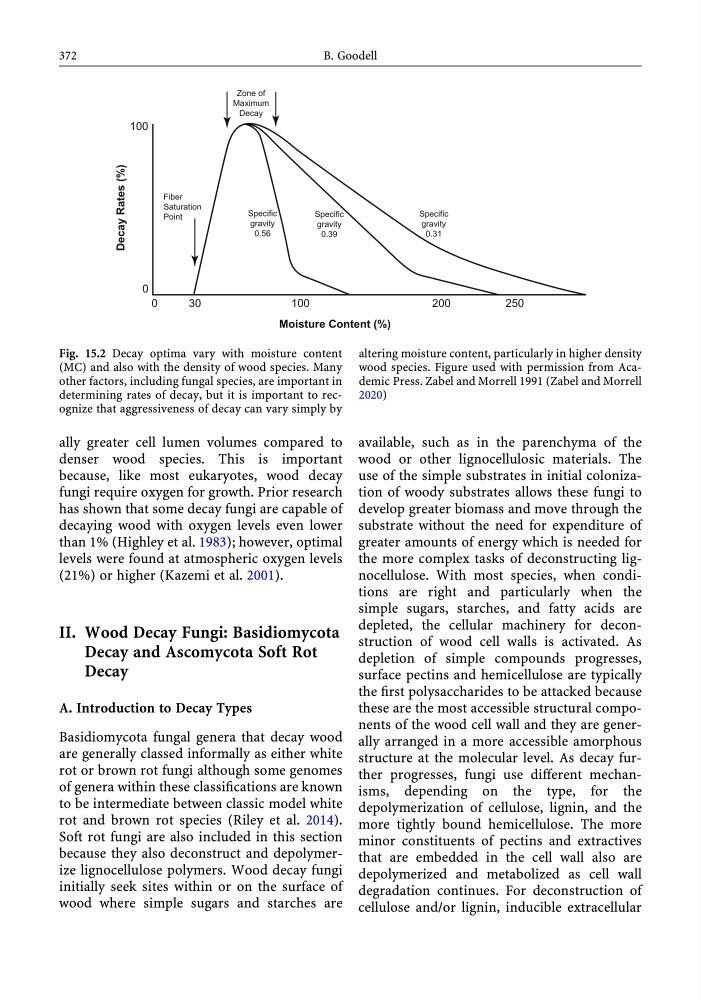
Fig. 15.2 Decay optima vary with moisture content
(MC) and also with the density of wood species. Many
other factors, including fungal species, are important in
determining rates of decay, but it is important to recognize that aggressiveness of decay can vary simply by
altering moisture content, particularly in higher density
wood species. Figure used with permission from Academic Press. Zabel and Morrell 1991 (Zabel and Morrell
2020)
372
B. Goodell
denser wood species. This is important
because, like most eukaryotes, wood decay
fungi require oxygen for growth. Prior research
has shown that some decay fungi are capable of
decaying wood with oxygen levels even lower
than 1% (Highley et al. 1983); however, optimal
levels were found at atmospheric oxygen levels
(21%) or higher (Kazemi et al. 2001).
II. Wood Decay Fungi: Basidiomycota
Decay and Ascomycota Soft Rot
Decay
A. Introduction to Decay Types
Basidiomycota fungal genera that decay wood
are generally classed informally as either white
rot or brown rot fungi although some genomes
of genera within these classifications are known
to be intermediate between classic model white
rot and brown rot species (Riley et al. 2014).
Soft rot fungi are also included in this section
because they also deconstruct and depolymerize lignocellulose polymers. Wood decay fungi
initially seek sites within or on the surface of
wood where simple sugars and starches are
available, such as in the parenchyma of the
wood or other lignocellulosic materials. The
use of the simple substrates in initial colonization of woody substrates allows these fungi to
develop greater biomass and move through the
substrate without the need for expenditure of
greater amounts of energy which is needed for
the more complex tasks of deconstructing lignocellulose. With most species, when conditions are right and particularly when the
simple sugars, starches, and fatty acids are
depleted, the cellular machinery for deconstruction of wood cell walls is activated. As
depletion of simple compounds progresses,
surface pectins and hemicellulose are typically
the first polysaccharides to be attacked because
these are the most accessible structural components of the wood cell wall and they are generally arranged in a more accessible amorphous
structure at the molecular level. As decay further progresses, fungi use different mechanisms, depending on the type, for the
depolymerization of cellulose, lignin, and the
more tightly bound hemicellulose. The more
minor constituents of pectins and extractives
that are embedded in the cell wall also are
depolymerized and metabolized as cell wall
degradation continues. For deconstruction of
cellulose and/or lignin, inducible extracellular
Zone of
Maximum
Decay
Specific
gravity
0.39
Specific
gravity
0.56
Fiber
Saturation
Point
0
0
100
Decay Rates (%)
30
100
Moisture Content (%)
200
250
Specific
gravity
0.31
Fig. 15.2 Decay optima vary with moisture content
(MC) and also with the density of wood species. Many
other factors, including fungal species, are important in
determining rates of decay, but it is important to recognize that aggressiveness of decay can vary simply by
altering moisture content, particularly in higher density
wood species. Figure used with permission from Academic Press. Zabel and Morrell 1991 (Zabel and Morrell
2020)
372
B. Goodell