

by fungal co-cultivation with bacteria and other
fungi.
1. Induction of Silent Natural Product Gene
Clusters by Co-cultivation of Fungi with
Bacteria
As aforementioned, fungi do not live in isolation, but encounter various neighboring microorganisms, to whose presence they have to
react. It is conceivable that upon co-cultivation
of fungi with other microorganisms in the laboratory, each interaction partner might produce compounds to communicate or defend
itself.
Early co-cultivation approaches proved
that fungi could display specific reactions to
co-cultivated bacteria. Following the assumption that fungi coexist with actinobacteria in
the soil, these organisms were among the first
to be used in controlled co-cultivation experiments. The filamentous ascomycete Aspergillus
nidulans reacts to the close physical contact
with the soil bacterium Streptomyces rapamycinicus by producing orsellinic acid, lecanoric
acid, and the cathepsin K inhibitors F-9775A
and B (Schroeckh et al. 2009). Interestingly, the
same bacterium induces the fumicycline biosynthetic gene cluster in the human pathogenic
A. fumigatus, leading to the production of
fumicyclines A and B (Ko ¨nig et al. 2013). However, S. rapamycinicus is not the only bacterium, which elicits a specific reaction in A.
fumigatus.
In co-culture with Streptomyces peucetius, the fungus
produces two formyl xanthocillin analogues, fumiformamide and N,N
0 -((1Z,3Z)-1,4-bis(4-methoxyphenyl)
buta-1,3-diene-2,3-diyl)diformamide,
the
latter
showing significant cytotoxic activity against tumor
cells (Zuck et al. 2011).
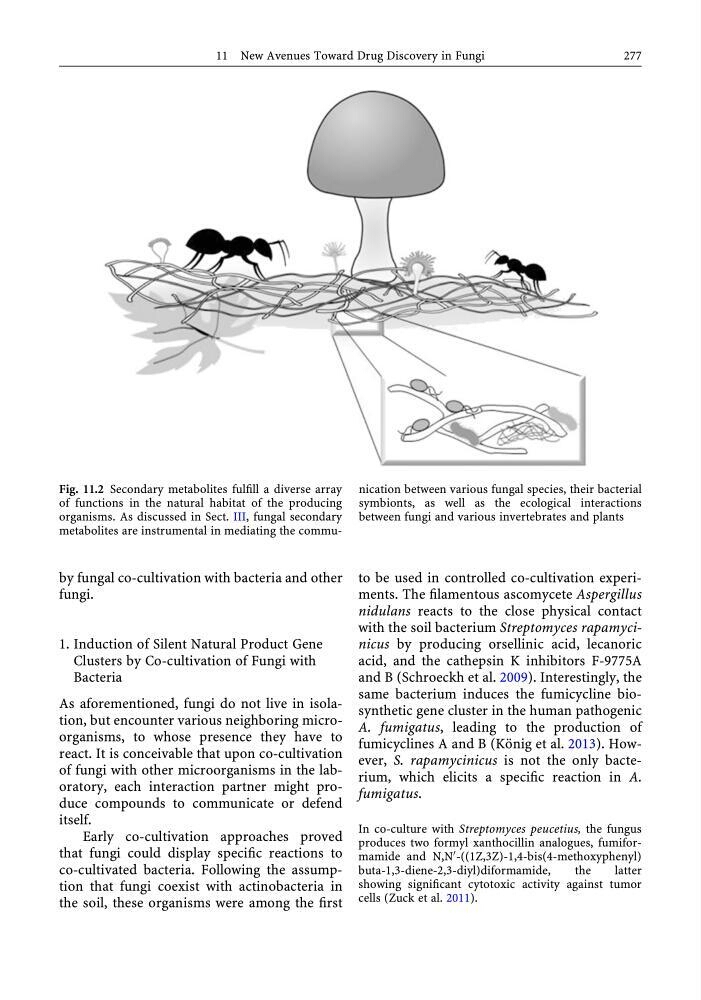
Fig. 11.2 Secondary metabolites fulfill a diverse array
of functions in the natural habitat of the producing
organisms. As discussed in Sect. III, fungal secondary
metabolites are instrumental in mediating the communication between various fungal species, their bacterial
symbionts, as well as the ecological interactions
between fungi and various invertebrates and plants
11 New Avenues Toward Drug Discovery in Fungi
277
fungi.
1. Induction of Silent Natural Product Gene
Clusters by Co-cultivation of Fungi with
Bacteria
As aforementioned, fungi do not live in isolation, but encounter various neighboring microorganisms, to whose presence they have to
react. It is conceivable that upon co-cultivation
of fungi with other microorganisms in the laboratory, each interaction partner might produce compounds to communicate or defend
itself.
Early co-cultivation approaches proved
that fungi could display specific reactions to
co-cultivated bacteria. Following the assumption that fungi coexist with actinobacteria in
the soil, these organisms were among the first
to be used in controlled co-cultivation experiments. The filamentous ascomycete Aspergillus
nidulans reacts to the close physical contact
with the soil bacterium Streptomyces rapamycinicus by producing orsellinic acid, lecanoric
acid, and the cathepsin K inhibitors F-9775A
and B (Schroeckh et al. 2009). Interestingly, the
same bacterium induces the fumicycline biosynthetic gene cluster in the human pathogenic
A. fumigatus, leading to the production of
fumicyclines A and B (Ko ¨nig et al. 2013). However, S. rapamycinicus is not the only bacterium, which elicits a specific reaction in A.
fumigatus.
In co-culture with Streptomyces peucetius, the fungus
produces two formyl xanthocillin analogues, fumiformamide and N,N
0 -((1Z,3Z)-1,4-bis(4-methoxyphenyl)
buta-1,3-diene-2,3-diyl)diformamide,
the
latter
showing significant cytotoxic activity against tumor
cells (Zuck et al. 2011).
Fig. 11.2 Secondary metabolites fulfill a diverse array
of functions in the natural habitat of the producing
organisms. As discussed in Sect. III, fungal secondary
metabolites are instrumental in mediating the communication between various fungal species, their bacterial
symbionts, as well as the ecological interactions
between fungi and various invertebrates and plants
11 New Avenues Toward Drug Discovery in Fungi
277