

ate with hyphal proliferation and repeated
branching close to the root, facilitating contact
with the host surface (Besserer et al. 2006,
2008).
The role of strigolactones as fungusdirected signals in AM interactions has indirectly been confirmed by the observation that
rice mutants defective in the SLs receptor D14
are not perturbed in AM colonization (Yoshida
et al. 2012; Gutjahr et al. 2015). The study of
strigolactone perception by the host plant has
anyway revealed intriguing crosstalk mechanisms with other signaling pathways. For strigolactone perception, D14 forms a receptor
complex with the F-box protein MAX2/D3/
RMS4 (Hamiaux et al. 2012). In turn, MAX2
was shown to also be involved with KAI2/
D14LIKE in the receptor complex for karrikins,
the butenolide molecules found in smoke
extracts that promote seed germination of
many plant species (Flematti et al. 2004; Nelson
et al. 2010; Waters et al. 2012). Interestingly,
rice d3 and pea rms4 mutants displayed important defects in AM colonization and arbuscule
formation, respectively (Yoshida et al. 2012;
Foo et al. 2013; Gutjahr et al. 2015); furthermore, a d14l/kai2 rice mutant does not stimulate the formation of hyphopodia (Gutjahr et al.
SL
ERM
IRM
KARL?
KARL?
Myc factors
LCOs/COs
AMF effectors
D14L/KAI2
NOPE1
LysM RLKs
GlcNacderivative?
Epidermis Cortex
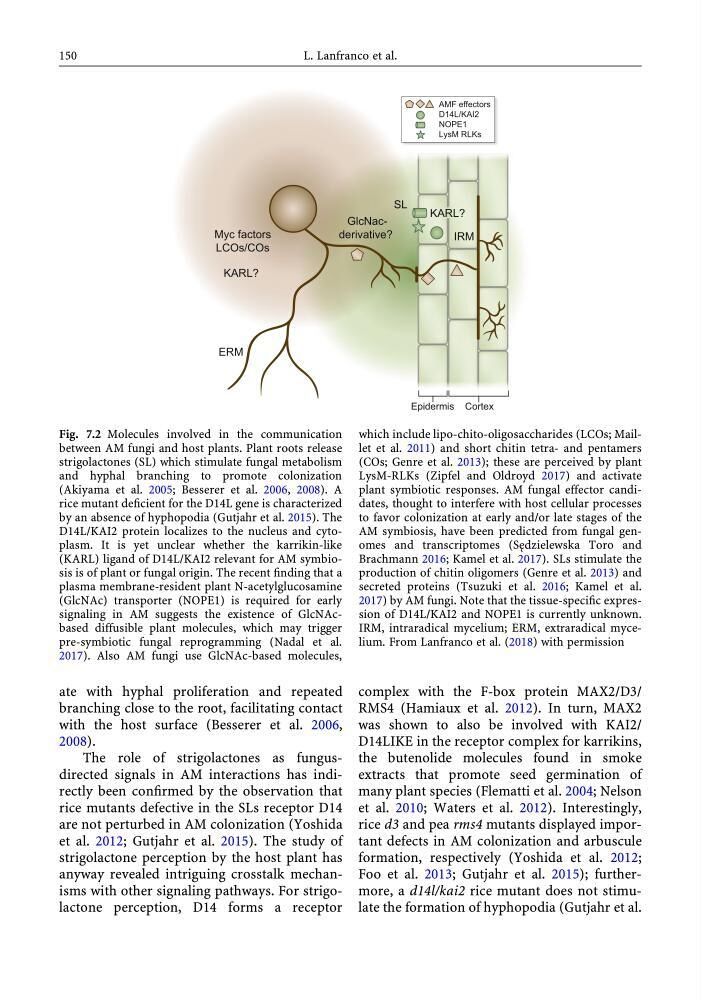
Fig. 7.2 Molecules involved in the communication
between AM fungi and host plants. Plant roots release
strigolactones (SL) which stimulate fungal metabolism
and hyphal branching to promote colonization
(Akiyama et al. 2005; Besserer et al. 2006, 2008). A
rice mutant deficient for the D14L gene is characterized
by an absence of hyphopodia (Gutjahr et al. 2015). The
D14L/KAI2 protein localizes to the nucleus and cytoplasm. It is yet unclear whether the karrikin-like
(KARL) ligand of D14L/KAI2 relevant for AM symbiosis is of plant or fungal origin. The recent finding that a
plasma membrane-resident plant N-acetylglucosamine
(GlcNAc) transporter (NOPE1) is required for early
signaling in AM suggests the existence of GlcNAcbased diffusible plant molecules, which may trigger
pre-symbiotic fungal reprogramming (Nadal et al.
2017). Also AM fungi use GlcNAc-based molecules,
which include lipo-chito-oligosaccharides (LCOs; Maillet et al. 2011) and short chitin tetra- and pentamers
(COs; Genre et al. 2013); these are perceived by plant
LysM-RLKs (Zipfel and Oldroyd 2017) and activate
plant symbiotic responses. AM fungal effector candidates, thought to interfere with host cellular processes
to favor colonization at early and/or late stages of the
AM symbiosis, have been predicted from fungal genomes and transcriptomes (Se ˛dzielewska Toro and
Brachmann 2016; Kamel et al. 2017). SLs stimulate the
production of chitin oligomers (Genre et al. 2013) and
secreted proteins (Tsuzuki et al. 2016; Kamel et al.
2017) by AM fungi. Note that the tissue-specific expression of D14L/KAI2 and NOPE1 is currently unknown.
IRM, intraradical mycelium; ERM, extraradical mycelium. From Lanfranco et al. (2018) with permission
150
L. Lanfranco et al.
branching close to the root, facilitating contact
with the host surface (Besserer et al. 2006,
2008).
The role of strigolactones as fungusdirected signals in AM interactions has indirectly been confirmed by the observation that
rice mutants defective in the SLs receptor D14
are not perturbed in AM colonization (Yoshida
et al. 2012; Gutjahr et al. 2015). The study of
strigolactone perception by the host plant has
anyway revealed intriguing crosstalk mechanisms with other signaling pathways. For strigolactone perception, D14 forms a receptor
complex with the F-box protein MAX2/D3/
RMS4 (Hamiaux et al. 2012). In turn, MAX2
was shown to also be involved with KAI2/
D14LIKE in the receptor complex for karrikins,
the butenolide molecules found in smoke
extracts that promote seed germination of
many plant species (Flematti et al. 2004; Nelson
et al. 2010; Waters et al. 2012). Interestingly,
rice d3 and pea rms4 mutants displayed important defects in AM colonization and arbuscule
formation, respectively (Yoshida et al. 2012;
Foo et al. 2013; Gutjahr et al. 2015); furthermore, a d14l/kai2 rice mutant does not stimulate the formation of hyphopodia (Gutjahr et al.
SL
ERM
IRM
KARL?
KARL?
Myc factors
LCOs/COs
AMF effectors
D14L/KAI2
NOPE1
LysM RLKs
GlcNacderivative?
Epidermis Cortex
Fig. 7.2 Molecules involved in the communication
between AM fungi and host plants. Plant roots release
strigolactones (SL) which stimulate fungal metabolism
and hyphal branching to promote colonization
(Akiyama et al. 2005; Besserer et al. 2006, 2008). A
rice mutant deficient for the D14L gene is characterized
by an absence of hyphopodia (Gutjahr et al. 2015). The
D14L/KAI2 protein localizes to the nucleus and cytoplasm. It is yet unclear whether the karrikin-like
(KARL) ligand of D14L/KAI2 relevant for AM symbiosis is of plant or fungal origin. The recent finding that a
plasma membrane-resident plant N-acetylglucosamine
(GlcNAc) transporter (NOPE1) is required for early
signaling in AM suggests the existence of GlcNAcbased diffusible plant molecules, which may trigger
pre-symbiotic fungal reprogramming (Nadal et al.
2017). Also AM fungi use GlcNAc-based molecules,
which include lipo-chito-oligosaccharides (LCOs; Maillet et al. 2011) and short chitin tetra- and pentamers
(COs; Genre et al. 2013); these are perceived by plant
LysM-RLKs (Zipfel and Oldroyd 2017) and activate
plant symbiotic responses. AM fungal effector candidates, thought to interfere with host cellular processes
to favor colonization at early and/or late stages of the
AM symbiosis, have been predicted from fungal genomes and transcriptomes (Se ˛dzielewska Toro and
Brachmann 2016; Kamel et al. 2017). SLs stimulate the
production of chitin oligomers (Genre et al. 2013) and
secreted proteins (Tsuzuki et al. 2016; Kamel et al.
2017) by AM fungi. Note that the tissue-specific expression of D14L/KAI2 and NOPE1 is currently unknown.
IRM, intraradical mycelium; ERM, extraradical mycelium. From Lanfranco et al. (2018) with permission
150
L. Lanfranco et al.